
Flowers
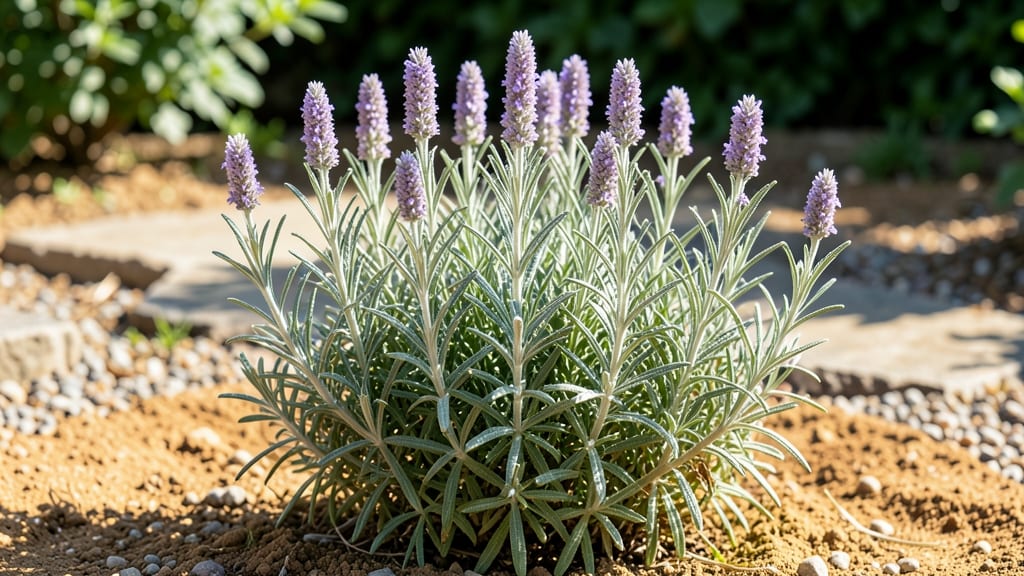
Salvia plants are perennials in most climates, regrowing from their roots each spring after winter dormancy in zones 5-10, though some varieties behave like annuals in colder areas or with poor winter care. Hardy types like Salvia nemorosa return reliably, while tropical salvias often die back completely. Always verify your hardiness zone before planting.
Whether salvia survives winter depends entirely on your growing zone and the specific variety. 🌱 In my experience, the key difference lies in root strength—hardy perennials like Salvia nemorosa develop deep root systems that withstand freezing temperatures, while tender varieties (such as Salvia leucantha) may need winter protection or annual replanting.
Even perennial salvias often look dead in winter, but their roots remain alive beneath the soil, ready to burst back with new growth when temperatures rise.
For gardeners in colder zones (USDA 3-4), treating salvia as an annual is often the safest approach—though with proper mulching and winter insulation, some varieties can persist. The real secret to long-term success?
Planting in well-draining soil and cutting back dead foliage in late fall to prevent disease. This simple step makes all the difference between a plant that returns year after year and one that fades away.
💡 In This Article
- Salvia Perennial Growth Cycles by Type and Climate
- Gardening Tips to Extend Salvia’s Perennial Lifespan
Salvia perennial growth cycles by type and climate
Salvia's perennial behavior hinges on its species and root system adaptations. Hardy varieties like Salvia nemorosa develop deep, fibrous roots that can withstand 10-15°F temperatures, allowing them to regrow from the same root base each spring.
These roots store energy during dormancy, much like a potato's eyes, and can remain viable for years. In contrast, tropical salvias (such as Salvia splendens) have shallow roots that freeze easily, making them behave like annuals in colder climates.
The key difference lies in their natural habitats: Mediterranean salvias evolved to handle dry, cold winters, while tropical species thrive in warm, humid conditions.
For example, Salvia officinalis (common sage) can survive USDA Zone 4 winters with proper care, while Salvia leucantha (Mexican bush sage) typically dies back in Zone 8 without winter protection.
This explains why your neighbor's salvia might return year after year while yours doesn't—it's all about the species' native climate preferences.
What most gardeners don't realize is that even perennial salvias often look completely dead in winter. The above-ground stems die back to protect the plant's energy reserves, but the roots remain alive beneath the soil.
This is why you shouldn't dig up salvia in winter to check for life—you might accidentally damage the dormant root system. The real test comes in early spring when new shoots emerge from the soil, signaling successful overwintering.
Root depth matters more than you'd think. Perennial salvias develop roots that can reach 12-18 inches deep, allowing them to access moisture during dry periods and survive light frosts.
This deep root system also helps them compete with weeds, which is why established salvia plants often outlast annuals in the same garden bed. The trade-off? These deep roots make transplanting established salvias challenging—they don't always recover well when disturbed.
Climate plays a crucial role in determining which salvias will behave as perennials. In USDA Zones 5-10, most salvia species can overwinter successfully with minimal care. However, in Zones 3-4, even hardy varieties may need winter protection.
The coldest temperatures (below -10°F) can damage even the most resilient salvia roots, which is why gardeners in these zones often treat them as annuals or use cold frames for overwintering.
Consider this comparison: Salvia nemorosa can survive USDA Zone 3 winters with proper mulching, while Salvia coccinea (scarlet sage) typically dies back in Zone 8 without protection.
This variation explains why your local nursery might offer different salvia species based on your region—some are bred specifically for cold tolerance, while others are suited for warmer climates.
Here's what's actually happening underground: During winter, salvia roots convert stored starches into sugars that protect cellular structures from freezing. This process, called cold acclimation, is what allows perennial salvias to survive temperatures well below freezing.
When spring arrives, these sugars are converted back into energy for new growth. The depth and density of the root system determine how well this process works—deeper roots have more stored energy to draw upon.