
How To
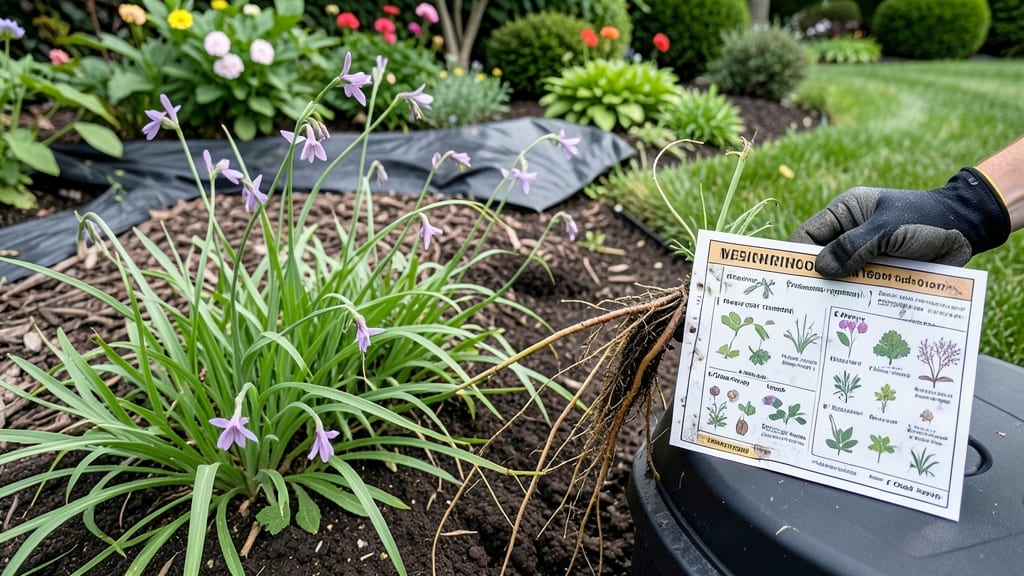
Spiderwort is not a weed—it’s a hardy perennial prized for its vibrant blooms and drought tolerance, though its aggressive spread may mimic invasive plants in some gardens. Its ornamental value and pollinator benefits often outweigh its drawbacks when managed properly.
Spiderwort isn't classified as a weed because it offers genuine garden benefits, like attracting pollinators and thriving in poor soil conditions. 🌿 Its rapid spread comes from rhizomes (underground stems), which help it outcompete weaker plants but also make it a favorite for erosion control.
Unlike true weeds, spiderwort has striking blue-purple flowers that bloom from spring to fall, making it a prized addition to cottage gardens. The key difference lies in intent—while weeds disrupt ecosystems, spiderwort enhances them when managed properly.
That said, its aggressive nature can become problematic in small gardens or formal landscapes where precise control is needed. The solution?
Strategic placement—use it as a natural ground cover in areas where you want low-maintenance beauty, but contain it with edging or mulch if it starts spreading beyond your desired area.
Many gardeners actually embrace spiderwort for its resilience and pollinator support, proving that what some call a weed is actually a valuable plant with the right approach.
💡 In This Article
- Why Spiderwort Thrives in Gardens (And When It Becomes Problematic)
- Managing Spiderwort Growth: Control Tips for Gardeners
Why spiderwort thrives in gardens (and when it becomes problematic)
Spiderwort's success in gardens stems from its rhizomatous growth system, where underground stems spread horizontally at a rate of about 6-12 inches per year.
These rhizomes store nutrients and water, allowing the plant to survive drought conditions with minimal care. 🌱 Unlike true weeds, spiderwort's spread is predictable and controlled—it doesn't produce thousands of seeds like crabgrass or develop deep taproots like dandelions.
Instead, it forms dense mats that suppress weeds naturally, making it valuable for organic gardeners.
The plant's shade tolerance and ability to thrive in poor soil (pH 5.0-7.0) further explain its adaptability. Its blue-purple flowers, which bloom continuously from spring to fall, provide visual appeal that true weeds lack.
These flowers also serve as a nectar source for bees and butterflies, unlike invasive species that disrupt local ecosystems.
The confusion arises because spiderwort's aggressive spread can resemble creeping Charlie (Glechoma hederacea), but while Charlie forms dense ground cover that smothers other plants, spiderwort leaves gaps for beneficial ground flora to coexist.
What truly sets spiderwort apart is its seasonal growth pattern. Most weeds thrive in warm weather, but spiderwort's rhizomes remain dormant in winter, then regrow quickly in spring. This makes it ideal for early-season color when few other perennials are blooming.
The trade-off? Its spread can become overwhelming in small spaces, especially in formal gardens where precision is key. Unlike invasive species that require eradication, spiderwort's benefits often justify its presence in naturalized areas or pollinator gardens.
Consider the root structure comparison: True weeds like bindweed have fibrous roots that spread uncontrollably, while spiderwort's rhizomes can be managed with simple techniques. The plant's 3-6 inch tall stems and delicate foliage also make it less aggressive than plants like mint or bamboo, which can dominate landscapes.
Many gardeners intentionally plant spiderwort in wildflower meadows because its controlled spread enhances biodiversity without the ecological harm of true invasive species.
For those concerned about its spread, the solution lies in strategic placement. Planting spiderwort in contained beds with 3-4 inch deep edging prevents rhizomes from spreading beyond designated areas.
Its ability to thrive in partial shade to full sun makes it versatile for various garden zones, from woodland edges to sunny borders. The key insight? Spiderwort's "weedy" behavior is actually a desirable trait in many gardening contexts when properly managed.
What most gardeners don't realize is that spiderwort's pollinator benefits often outweigh its spread concerns. A single plant can support 50-100 bee visits per hour during peak bloom, making it more valuable than many ornamental plants.
This ecological service transforms what might seem like a nuisance into a functional garden asset when viewed through the right lens. 🌿