
Pests
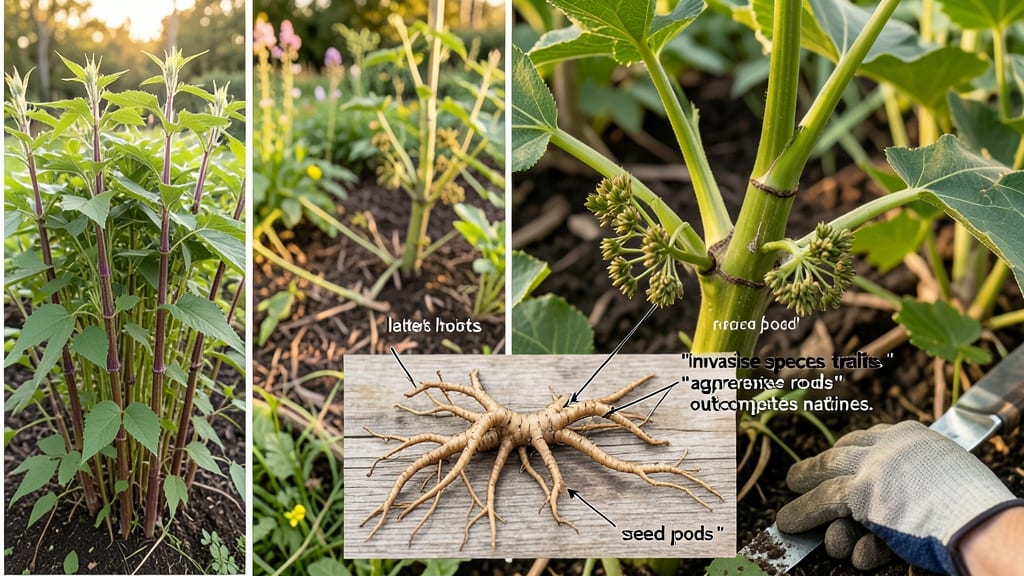
Weeds are not always invasive species, but they can become problematic when they spread aggressively, outcompete native plants, or disrupt ecosystems. Invasive weeds thrive outside their natural range and harm biodiversity, while common weeds may simply be unwanted plants in gardens or lawns.
Not all weeds are invasive, but the distinction matters for how you manage them. 🌱 Invasive weeds—like kudzu or Japanese knotweed—originate from other regions and aggressively displace native plants, while common weeds (such as dandelions) are just unwanted plants that don’t necessarily harm ecosystems.
The key difference lies in their impact: invasive species alter habitats and threaten biodiversity, whereas garden weeds are often just nuisances competing for space and nutrients.
Understanding this helps you choose the right control methods. For invasive weeds, you might need targeted eradication, while garden weeds can often be managed with mulching or manual removal. Always check local regulations, as some invasive species are illegal to transport or plant.
💡 In This Article
- How Invasive Weeds Differ from Common Garden Weeds
- Identifying and Managing Problematic Weeds in Landscapes
How invasive weeds differ from common garden weeds
The core distinction between invasive weeds and garden weeds lies in their ecological impact and biological behavior. Invasive weeds originate from regions outside their native habitat and disrupt ecosystems by outcompeting native plants for sunlight, water, and nutrients.
These species often have evolved traits like rapid growth rates—some can grow up to 6 inches per day—and aggressive reproductive strategies, such as producing thousands of seeds per plant or spreading via underground rhizomes.
Common garden weeds, like dandelions or crabgrass, typically don't spread as aggressively and rarely alter entire ecosystems. They thrive in disturbed soils and compete for space but don't usually dominate landscapes.
The difference in root systems is striking: invasive weeds often develop deep, extensive root networks (like kudzu's 1-inch-thick roots that can penetrate 30 feet deep), while garden weeds usually have shallow, fibrous roots. This gives invasive species a competitive edge in nutrient absorption and resilience.
Ecological damage is where invasive weeds truly stand out. They can form monocultures that eliminate biodiversity, disrupt food chains, and even alter soil chemistry. For example, purple loosestrife releases chemicals that inhibit the growth of nearby native plants.
In contrast, garden weeds rarely cause such systemic harm—they're more like unwelcome guests than ecological invaders. 🌿
Regulatory definitions further clarify this divide. Many regions classify invasive weeds as "noxious" and prohibit their sale or planting. These plants often have legal restrictions because of their proven ability to spread uncontrollably, unlike common weeds that may just be considered unsightly.
The key factor here is scale: what's a nuisance in your garden could become an ecological crisis in natural habitats.
Another critical difference is reproductive strategy. Invasive weeds often employ multiple dispersal methods—wind, water, or animal transport—while garden weeds typically rely on simpler mechanisms like seed dispersal by wind or manual spread.
For instance, mile-a-minute vine spreads up to 20 feet per year and produces seeds that can remain viable for years in the soil. This persistence contrasts sharply with annual garden weeds that complete their life cycle in a single season.
Understanding these differences helps you assess whether you're dealing with a garden nuisance or an ecological threat. While both types of weeds may require removal, invasive species often demand more aggressive management strategies to prevent further spread.
Always check local regulations before attempting removal, as some invasive weeds are protected species in certain areas.