
Flowers
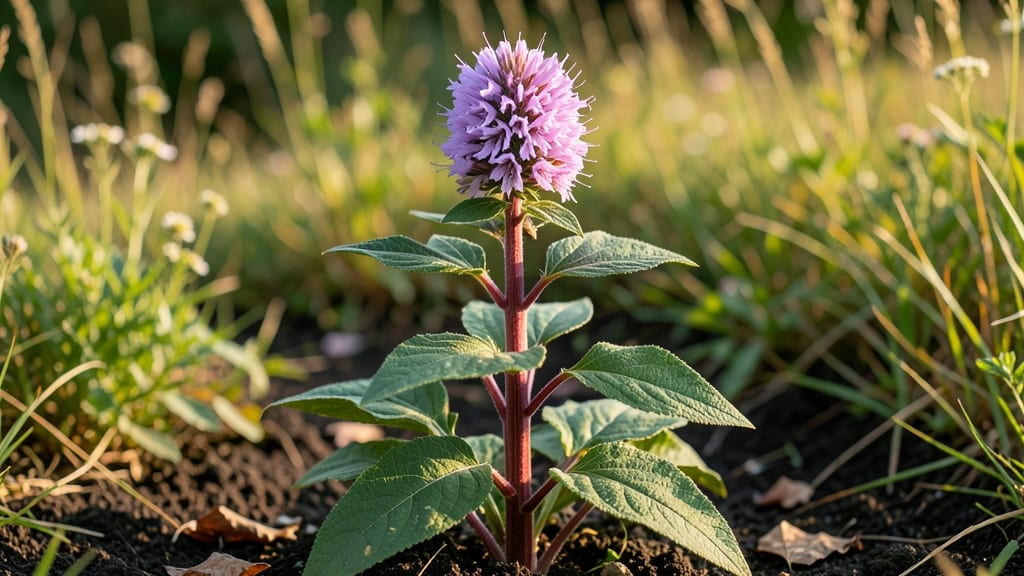
Growing Joe Pye weed perennial means welcoming towering purple blooms and a buzzing pollinator party every summer. 🌿 I’ll never forget the first time I saw butterflies swarming my patch—it felt like hosting a garden rave.
This native perennial thrives in moist soil and full sun, making it perfect for rain gardens or pond edges.
The secret to success is patience—it takes 2-3 years for Joe Pye weed to reach its full 5-7 foot height, but once established, it’s drought-tolerant and spreads reliably. Start with divisions in early spring or sow seeds directly in fall for best results.
By midsummer, you’ll have vibrant pink-purple flower clusters that attract bees, butterflies, and hummingbirds for weeks. The foliage stays lush even in heat, and the stems add dramatic texture to any garden.
Works beautifully in wildflower meadows, native plant gardens, or as a bold statement plant near water features. Here’s how to keep it thriving all season long.
📚 In This Guide
- What you need
- Instructions
- Tips and common mistakes
- Wrapping up and next steps
What you need
- ● Joe Pye Weed plants: 1–3 nursery-grown transplants (3–4 ft tall, hardy in zones 4–9)
- ● OR Seeds (sow indoors 8–10 weeks before last frost, or directly outdoors after frost)
- ● Soil: Well-draining, moist, and rich in organic matter (amend with compost if needed)
- ● Sunlight: Full sun (6+ hours/day) to partial shade (4–6 hours)
- ● Water: Consistent moisture (especially for young plants)
- ● Digging tools: Trowel, garden fork, or shovel
- ● Mulch: Organic mulch (straw, shredded leaves) to retain moisture
- ○ Fertilizer: Balanced 10-10-10 or slow-release granular (optional, apply lightly in spring)
- ○ Stakes: 3–4 ft tall (optional, for windy areas)
- ○ Pruners: For deadheading or shaping (optional)
- ● 🌡️ Timing: Plant transplants in early spring or fall for best root establishment.
- ● 🎯 Spacing: Give plants 3–5 ft apart to prevent overcrowding.
- ● ✨ Pollinator Boost: Pair with coneflowers or black-eyed Susans for a magnet effect!
How to plant and maintain Joe Pye weed for stunning pollinator gardens
This hardy native perennial thrives with minimal fuss—here's how to establish it for years of bold purple blooms.
🌱 Step 1: Choose the Perfect Planting Site
Joe Pye weed flourishes in full sun to partial shade, with at least 6 hours of direct sunlight daily for optimal bloom production. I always select a spot with well-draining soil—this plant hates soggy roots. If your soil is heavy clay, amend it with 2-3 inches of compost mixed into the top 12 inches before planting.
Test your site's moisture level by digging a 6-inch hole—if water pools instead of draining within 15 minutes, you'll need to improve drainage by adding sand or gravel to the planting area. Joe Pye weed tolerates moist to wet conditions once established, but young plants need good drainage to prevent root rot.
🪴 Step 2: Plant at the Right Depth and Spacing
Dig a hole twice as wide as the root ball but only as deep—the top of the root ball should sit level with the surrounding soil. Gently loosen the roots if they're circling tightly in the container. For 4 plants, space them 3-4 feet apart in rows 4-5 feet apart to allow airflow and prevent disease.
Fill the hole halfway with soil, then place the plant so the root flare (where roots meet stem) sits just above soil level. Backfill with native soil mixed with compost, tamping lightly to remove air pockets. Water deeply to settle the soil—you'll see the soil surface settle 1-2 inches as it absorbs moisture.
☀️ Step 3: Water and Mulch for First-Year Establishment
Keep the soil consistently moist but not soggy for the first 4-6 weeks after planting. Water deeply 2-3 times per week, providing about 1 gallon per plant each time. You'll know moisture is right when the top 2 inches of soil feel damp but not waterlogged.
Apply a 3-inch layer of mulch (shredded bark or straw) around each plant, keeping it 2 inches away from the stem to prevent rot. This conserves moisture, regulates soil temperature, and suppresses weeds. Replenish mulch annually in early spring—it breaks down quickly and loses effectiveness.
✂️ Step 4: Prune Strategically for Healthy Growth
Cut back dead or damaged stems in early spring before new growth begins. I also remove any stems that flowered the previous year—these won't rebloom and just take energy from new shoots. Use clean, sharp pruners and make cuts at a 45-degree angle just above a leaf node.
Wait until late summer or early fall to cut back all stems to 6-12 inches above the ground. This encourages a stronger root system and prevents flopping. Never prune in fall or winter—new growth won't harden off before cold snaps, and you'll risk dieback.
🌿 Step 5: Fertilize and Monitor for Pollinators
Joe Pye weed is low-maintenance but benefits from a light feeding in early spring. Apply a balanced 10-10-10 fertilizer at half strength—too much nitrogen produces lush foliage but fewer blooms. Scatter granules 6 inches from the stem and water deeply to activate them.
Once established, this plant attracts butterflies, bees, and hummingbirds in droves. Let some stems go to seed—birds love the seed heads, and they self-sow happily. If you notice yellowing leaves, it's often iron deficiency—apply chelated iron in early spring to correct it.
Tips & tricks for perfect Joe Pye weed planting and growth
Here's what nobody tells you about making this pollinator magnet thrive—details that separate a struggling patch from a showstopping garden centerpiece.
Sunlight Secret: While Joe Pye weed tolerates partial shade, the 6 hours of direct sunlight mentioned in Step 1 is non-negotiable for those signature purple blooms. I've seen plants in dappled shade produce foliage but almost no flowers—it's worth moving that container or adjusting your fence line if needed. The trade-off? Morning sun with afternoon shade works best in hot climates to prevent leaf scorch.
Soil Test Hack: That 15-minute drainage test in Step 1 can be your best friend. Dig your 6-inch hole in multiple spots—especially low areas where water collects. If you find poor drainage, consider raised beds or mounding native soil with sand or gravel mixed in. The goal is to mimic its natural wetland habitat without creating root rot conditions.
Pruning Precision: The late-summer/early-fall pruning in Step 4 is where many gardeners go wrong. I cut back to 6-12 inches above ground—never lower. This height gives the plant's thick stems enough strength to support next year's blooms. Pro tip: Use clean pruners and make cuts at a 45-degree angle just above a leaf node to encourage new growth from the right spot.
Fertilizer Strategy: That half-strength 10-10-10 application in Step 5 is crucial—too much nitrogen creates leafy monsters with no flowers. I've found organic options like fish emulsion work beautifully too, but always apply in early spring when new growth begins. And if you notice yellowing leaves, chelated iron is your quick fix, but address the underlying soil pH issue too—Joe Pye weed prefers slightly acidic to neutral soil.
Pro Tips for Joe Pye Weed Perennial
- Here's what nobody tells you about making this pollinator magnet thrive—details that separate a struggling patch from...
- Sunlight Secret: While Joe Pye weed tolerates partial shade, the 6 hours of direct sunlight mentioned in Step 1 is no...
- Soil Test Hack: That 15-minute drainage test in Step 1 can be your best friend. Dig your 6-inch hole in multiple spot...
Frequently asked questions
Is Joe Pye weed invasive?
Joe Pye weed (Eutrochium spp.) is generally not considered invasive in most U.S. regions, but it can spread aggressively in wet, undisturbed areas. To keep it in check, deadhead spent blooms or divide clumps every 3–4 years. Always check local regulations before planting!
How long does it take for Joe Pye weed to bloom?
Once established, Joe Pye weed typically blooms in late summer to early fall (July–September). Young plants may take 1–2 years to reach full height (3–6 feet) and produce those iconic purple-pink flower clusters. Patience pays off—these pollinator magnets are worth the wait!
Does Joe Pye weed like sun or shade?
This hardy perennial thrives in full sun to partial shade, but it tolerates shade better than many natives. In hot climates, afternoon shade helps prevent wilting. For the best blooms, aim for at least 4–6 hours of sunlight daily in moist, well-drained soil.
Are there any pests or diseases to watch for?
Joe Pye weed is disease-resistant and rarely bothered by pests, but aphids or Japanese beetles may occasionally visit. Spray with water or use neem oil if needed. Overwatering can lead to root rot, so ensure soil drains well. Pro tip: Mulch around the base to deter weeds and retain moisture!
What’s a good alternative if I want a shorter pollinator plant?
If Joe Pye weed’s height (3–6 feet) is too tall for your space, try these shorter pollinator favorites:
- Coneflower (Echinacea) – 1–3 ft: Drought-tolerant with daisy-like blooms.
- Black-eyed Susan (Rudbeckia) – 1–3 ft: Bright yellow flowers that attract butterflies.
- Bee balm (Monarda) – 2–4 ft: Fragrant blooms loved by hummingbirds.
Wrapping up and next steps
Joe Pye weed is a low-maintenance superstar for pollinators, gardeners, and nature lovers alike—its towering purple blooms and hardy perennial nature make it a must-have for any sunny landscape.
Whether you're drawn to its ecological benefits, striking beauty, or ease of care, this plant delivers big rewards with minimal effort. Ready to transform your garden into a buzzing haven? Start by picking a sunny spot, prepping the soil, and planting your seeds or tubers this season! 🌿🐝