
Propagation
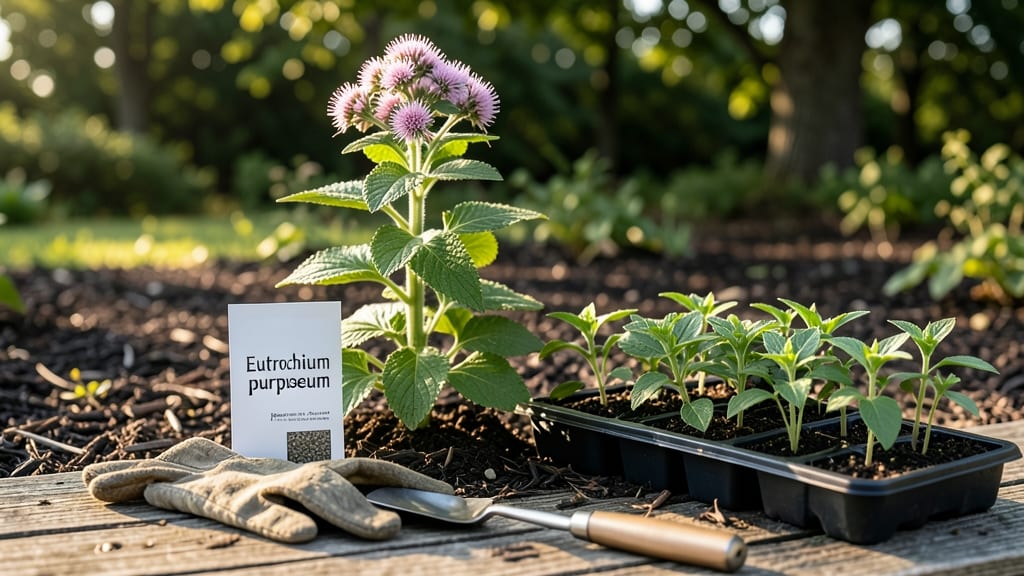
Growing Joe Pye weed from seeds means fast blooms for pollinators—this tall, vibrant perennial explodes with purple flowers by midsummer if you nail the germination step. 🌿 I’ve watched butterflies and bees flock to my clumps within just two seasons, and the secret starts with the right timing and soil prep.
Most gardeners rush this part, but patience here means fewer struggles later.
The key is cold stratification—mimicking winter’s chill to break seed dormancy. Scatter seeds in a damp paper towel, seal them in a bag, and refrigerate for 30-60 days before planting.
Joe Pye weed thrives in moist, well-draining soil and full sun to partial shade, so choose a spot where it can spread its wings (literally—these plants hit 4-6 feet tall!). Water consistently but avoid soggy soil, or the roots will rot before they even get started.
By late spring, you’ll see those first fuzzy leaves pushing through the soil—within 2-4 weeks of planting stratified seeds. The real magic happens when the flowers arrive: towering spikes of pink-purple blooms that hum with bees and attract monarchs.
My garden’s pollinator traffic doubled after adding just three clumps, and the plants return every year, spreading gently to form natural colonies.
Here’s the game-changer: divide established plants every 3-4 years to keep them vigorous. This perennial’s roots love to sprawl, and thinning them out ensures bigger, showier blooms.
Perfect for native gardens, rain gardens, or even container growing—just give it space to shine. Ready to turn your yard into a pollinator hotspot?
📚 In This Guide
- What you need
- Instructions
- Tips and common mistakes
- Wrapping up and next steps
What you need
- ● Joe Pye weed seeds – Purchase Eutrochium spp. seeds from a reputable supplier (e.g., E. purpureum or E. maculatum). Aim for 50–100 seeds for a small patch or 100+ seeds for a larger area.
- ● Seed-starting mix – A lightweight, well-draining potting soil (e.g., 50% peat moss or coco coir + 50% perlite or vermiculite). Avoid garden soil—it’s too dense for germination!
- ● Containers or seed trays – Use small pots (2–3 inches deep) or seed trays with drainage holes. Sterilize containers with a 10% bleach solution (1 part bleach to 9 parts water) to prevent mold.
- ● Grow lights or sunny windowsill – Joe Pye weed seeds need bright, indirect light (12–16 hours/day). A LED grow light works best for consistent germination.
- ● Misting bottle or spray nozzle – Keeps seeds moist but not soggy. Aim for 60–70% humidity during germination.
- ○ Plastic wrap or humidity dome – Optional but helpful for retaining moisture until sprouts appear (usually 7–21 days).
- ○ Heat mat (optional but recommended) – A seedling heat mat (70–75°F) speeds up germination, especially in cooler climates.
- ● Gloves – Protect your hands from soil and seeds (organic gardening gloves work great!).
- ● Small hand trowel or spoon – For gently pressing seeds into soil without burying them too deep (¼ inch max).
- ○ pH testing kit (optional) – Joe Pye weed prefers slightly acidic to neutral soil (pH 6.0–7.0). Test your mix if using homemade blends.
- ● Labeling tags & marker – Mark containers with seed type and date to track progress.
- ● Outdoor space (for transplanting) – A sunny, moist spot with well-draining soil (partial shade is fine in hot climates). Native pollinators love this plant!
Step-by-step instructions for growing Joe Pye weed from seeds
Here's how to cultivate this stunning native perennial—fast germination and all.
🌱 Step 1: Stratify Seeds for Faster Germination
Joe Pye weed seeds need a cold stratification period to break dormancy. Place them in a sealed plastic bag with a slightly damp paper towel, then refrigerate for 6-8 weeks. This mimics winter conditions and triggers germination. Check weekly—once the towel feels dry, add a few drops of water to maintain moisture.
The reason for this step is critical: unstratified seeds may take 6-12 months to sprout, but with cold treatment, you'll see first true leaves in 3-4 weeks. I like to label the bag with the variety and stratification start date to avoid confusion later.
☀️ Step 2: Choose the Right Planting Location
Select a sunny to partially shaded spot with well-draining soil—Joe Pye weed thrives in full sun to light shade (at least 6 hours of sunlight daily). Amend heavy clay soil with 2-3 inches of compost to improve drainage. These plants grow 4-7 feet tall, so give them space to spread 3-4 feet wide.
Watch for soil moisture after planting—it should feel damp but not soggy. If your area has heavy rainfall, consider a slightly elevated bed to prevent root rot. The key here is balance: too much sun scorches leaves, while too little shade reduces flowering.
💧 Step 3: Sow Seeds at the Right Depth and Time
Plant stratified seeds ¼ inch deep in early spring, about 2-3 weeks before your last frost date. Space them 12-18 inches apart—they’ll self-seed over time, so don’t overcrowd. Lightly cover with soil and water gently to settle the seeds without displacing them.
Germination happens quickly after stratification, so keep the soil consistently moist (not wet) until seedlings reach 2-3 inches tall. You’ll notice the first true leaves appear in 3-4 weeks—this is your cue to start thinning if needed. Real talk: if you plant too early, cold snaps can kill tender sprouts.
🌿 Step 4: Maintain Moisture and Fertility for Strong Growth
Joe Pye weed prefers moderate moisture—water 1-2 times per week once established, but reduce frequency in winter. Mulch with 2-3 inches of organic matter (like shredded leaves) to retain moisture and suppress weeds. These plants are drought-tolerant once mature, but young seedlings need consistent water.
Fertilize lightly in early spring with a balanced 10-10-10 formula—too much nitrogen promotes leafy growth at the expense of flowers. You’ll see pink-purple blooms by mid-summer, attracting butterflies and bees. Here’s the thing—if flowers appear late, it’s often due to poor soil fertility or overwatering.
✂️ Step 5: Prune and Divide for Long-Term Health
Cut back dead or damaged stems in early spring before new growth begins. If clumps become overcrowded after 3-4 years, divide in early spring or fall—dig up the root ball, separate into sections with 3-4 stems each, and replant immediately. This rejuvenates the plant and prevents decline.
Watch for powdery mildew in humid climates—space plants properly to improve airflow. If you see white fungal growth, prune affected leaves and apply neem oil as a preventative. With proper care, Joe Pye weed lives 10+ years, making it a low-maintenance pollinator powerhouse.
Tips & tricks for perfect Joe Pye weed cultivation
Fast germination isn't luck—it's science. Here's how to maximize your success with this pollinator magnet.
Stratification Success: The 6-8 week cold treatment is non-negotiable for Joe Pye weed seeds. Place your sealed bag on the fridge shelf (not the door) where temps stay consistently cold. I've found that using a small plastic container with ventilation holes works better than a standard bag—it prevents condensation buildup that can cause mold. Label your container with both the variety and the date you started stratification to avoid confusion when checking weekly.
Soil Preparation Insight: When amending heavy clay soil with 2-3 inches of compost, work it into the top 6-8 inches of soil, not just the surface layer. This creates proper drainage while maintaining moisture retention. For sandy soils, mix in 20% organic matter by volume to improve water-holding capacity. The goal is to mimic the plant's native moist meadow habitats where it thrives.
Timing Is Everything: Those 2-3 weeks before your last frost date are crucial—check your local frost calendar and plant accordingly. If you're in a region with unpredictable spring weather, consider using a soil thermometer to ensure the ground has warmed to at least 50°F before planting. Cold soil can delay germination even after proper stratification. I've seen germination times double when seeds are planted too early in cool conditions.
Post-Planting Care: After sowing at ¼ inch depth, create a mini greenhouse effect by covering the area with a clear plastic dome or row cover for the first 2 weeks. This maintains consistent moisture and warmth while seedlings establish. Remove the cover gradually to harden off the plants before permanent removal. The consistently moist soil requirement during the first 3-4 weeks is critical—don't let it dry out completely between waterings.
Pro Tips for Joe Pye Weed Seeds
- Fast germination isn't luck—it's science. Here's how to maximize your success with this pollinator magnet.
- Stratification Success: The 6-8 week cold treatment is non-negotiable for Joe Pye weed seeds.
- Soil Preparation Insight: When amending heavy clay soil with 2-3 inches of compost, work it into the top 6-8 inches of soil, not just the surface layer.
Frequently asked questions
Got questions about growing Joe Pye weed seeds? You’re not alone—this fast-growing perennial can be tricky for beginners! Below, we’ve answered the most common questions to help you avoid pitfalls and set up your pollinator paradise with confidence.
How long does it take for Joe Pye weed seeds to germinate?
Joe Pye weed seeds typically germinate in 14–30 days when planted in warm soil (60–70°F). Cold stratification (chilling seeds for 4–6 weeks) can speed this up. For best results, sow seeds in spring or early fall—avoid late summer heat, which may cause dormancy. Patience is key, but once sprouted, growth is rapid!
Can I grow Joe Pye weed from seeds indoors first?
Yes! Start seeds indoors 8–10 weeks before your last frost using a seed-starting mix. Plant them ½ inch deep and keep soil moist (not soggy). Use a heat mat (70–75°F) to encourage germination. Transplant seedlings outdoors after hardening off (acclimating to outdoor temps for 1–2 weeks). This method boosts survival rates in cooler climates.
What’s the best way to attract pollinators to Joe Pye weed?
Joe Pye weed is a pollinator magnet, but you can enhance its appeal! Plant in full sun with moist, well-draining soil. Pair it with native companions like bee balm, coneflowers, or milkweed for a diverse buffet. Avoid pesticides—let the bees, butterflies, and hummingbirds thrive! Mulch lightly to retain moisture, which Joe Pye weed loves.
Why aren’t my Joe Pye weed seeds sprouting?
Common culprits include dormancy (seeds need cold stratification), too-deep planting (keep seeds ¼–½ inch deep), or poor soil moisture. Try soaking seeds in water for 24 hours before planting or chilling them in a damp paper towel in the fridge for 4–6 weeks. If using store-bought seeds, check the expiration date—older seeds may lose viability.
Are there any low-maintenance alternatives to Joe Pye weed?
If Joe Pye weed’s moisture needs or height (3–7 feet) are a concern, consider these perennials:
- Coneflowers (Echinacea): Drought-tolerant, pollinator-friendly, and shorter (2–4 feet).
- Black-eyed Susans (Rudbeckia): Thrives in drier soils and blooms late summer.
- Butterfly Weed (Asclepias tuberosa): Drought-resistant and attracts monarchs.
- Goldenrod (Solidago): Low-water, long-blooming, and supports bees.
Pro Tip:
For faster germination, mix Joe Pye weed seeds with sand before sowing—this improves soil contact and moisture retention. Label your plants! Joe Pye weed can self-seed aggressively, and you’ll want to manage its spread in future years.
Wrapping up and next steps
Growing Joe Pye weed seeds is a rewarding way to create a vibrant, pollinator-friendly garden that thrives year after year! 🌿 With their fast germination and low-maintenance nature, these perennials are perfect for both beginners and seasoned gardeners.
Whether you're aiming for a stunning floral display or supporting local ecosystems, your efforts will make a real difference.
Ready to take the next step? Start by ordering high-quality Joe Pye weed seeds and prepare your garden beds—soon, you’ll be enjoying blooms that attract butterflies, bees, and hummingbirds! 🐝🌸