
Lawn
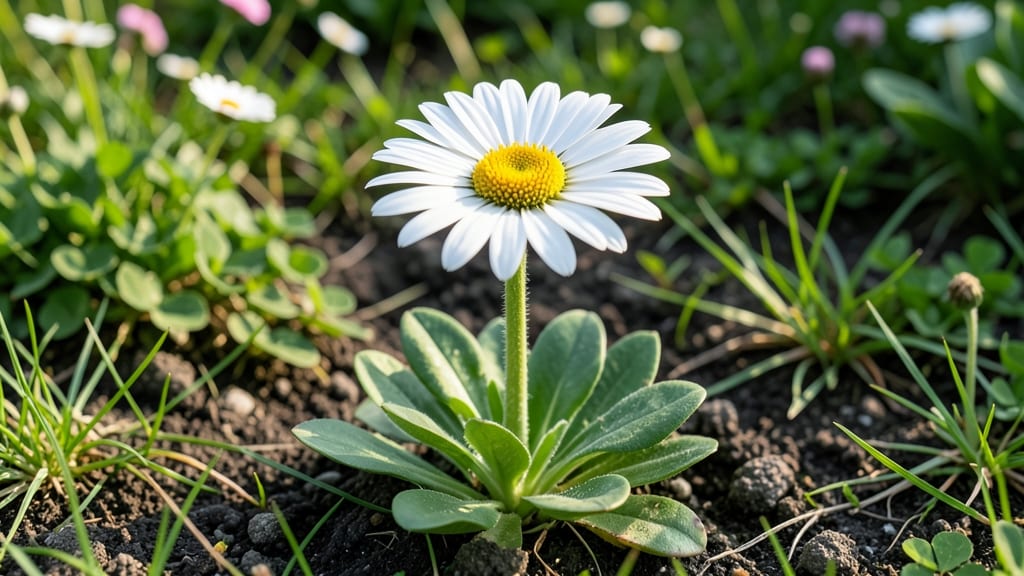
That little white daisy popping up in your lawn isn’t just pretty—it’s lawn daisy weed, and it’s stealing nutrients from your grass. 🌱 I’ve battled these stubborn invaders for years, and I’ll show you how to reclaim your yard without harsh chemicals or endless pulling.
The secret isn’t brute force—it’s timing. Daisy weeds thrive in moist, shaded spots, so focus on early spring or fall when they’re actively growing. A sharp rake or hoe can yank them out by the roots, but be patient: one missed root means regrowth in weeks.
By mid-summer, your lawn will look denser and greener than ever, with no more daisy weeds sneaking in. The key is consistency—treat it like mowing, not a one-time chore. Your grass will thank you with thick, healthy growth that crowds out weeds naturally.
This method works for any lawn, from small patches to full yards. Let’s get started—your grass is waiting!
📚 In This Guide
- What you need
- Instructions
- Tips and common mistakes
- Wrapping up and next steps
What you need
- ● Lawn Daisy Weed Seedlings or Seeds: 10–20 plants per linear foot of desired privacy screen (or 20–30 seeds per square foot if starting from seed). Pro tip: 💡 Buy from a reputable nursery to ensure healthy, non-invasive varieties.
- ● Garden Gloves: 1 pair (heavy-duty, long sleeves recommended for protection against prickly stems).
- ● Pruning Shears: 1 pair (bypass pruners with sharp, stainless-steel blades for clean cuts).
- ● Hand Trowel: 1 (for transplanting seedlings or digging small holes).
- ● Watering Can or Hose with Nozzle: 1 (with a gentle spray setting to avoid disturbing soil around plants).
- ● Organic Mulch: 2–3 bags (e.g., shredded bark, straw, or wood chips to retain moisture and suppress weeds).
- ● Compost or Fertilizer: 1 bag (balanced 10-10-10 or organic option like fish emulsion for nutrient boost).
- ● Measuring Tape: 1 (to plan spacing and screen dimensions).
- ○ Stakes or String: Optional but helpful (for marking planting lines or guiding growth patterns).
- ● Edging Tool: For clean borders if your privacy screen borders a walkway or driveway.
- ● Post Hole Digger: If you’re adding trellises or stakes for vertical growth support.
- ● Weed Barrier Fabric: To prevent invasive weeds from competing with your lawn daisy weed.
- ● Plant Support Trellis: Lightweight lattice or netting (if encouraging climbing habits in taller varieties).
- ● Spray Bottle with Water: For misting seedlings during hot weather.
Step-by-step guide to creating a thorn-free privacy screen with lawn daisy weed
Here's how to transform your yard into a lush, low-maintenance privacy barrier—no thorns, no fuss.
🌱 Step 1: Choose and Prepare Your Planting Sites
Lawn daisy weed thrives in full sun to partial shade and tolerates most soil types, but it grows best in well-draining soil. Mark your planting area with stakes or spray paint, keeping rows 18-24 inches apart—this spacing gives plants room to spread naturally without overcrowding. If your soil feels compacted, loosen it with a garden fork to about 6 inches deep.
I like to plant in early spring or fall when temperatures are mild—50-75°F is ideal. Avoid planting in extreme heat or cold, as young plants struggle to establish roots. Water the area lightly the day before planting to help the soil settle and reduce transplant shock.
🌿 Step 2: Plant Lawn Daisy Weed Cutting or Seeds
For fastest results, use 4-inch cuttings from established plants. Dip the cut end in rooting hormone (optional but helpful) and plant them 2 inches deep in the prepared soil. If starting from seed, scatter them lightly on the surface—lawn daisy weed doesn’t need deep planting—and cover with a ¼-inch layer of soil. Press gently to ensure good soil contact.
Space plants 12-18 inches apart in rows. Water deeply right after planting to settle the soil around the roots or seeds. You’ll see new growth within 7-10 days if conditions are right. Keep the soil consistently moist (but not soggy) until the plants are 3-4 inches tall—this encourages strong root development.
☀️ Step 3: First Season Maintenance for Bushy Growth
Once your lawn daisy weed reaches 6 inches tall, it’s time to focus on shaping. Pinch back the tips of the longest stems to encourage bushier growth—this is where the privacy screen really starts to fill in. Water 1-2 times per week, depending on rainfall, and mulch around the base with 2-3 inches of organic mulch to retain moisture and suppress weeds.
By mid-summer, your plants should be 12-18 inches tall and starting to fill out. This is the perfect time to give them a light trim if any stems look leggy. Avoid cutting more than one-third of the plant at once—this prevents stress and keeps the foliage dense. Watch for signs of overwatering (yellowing leaves) or underwatering (wilting in the afternoon).
✂️ Step 4: Prune for Density in Season 2
In the second season, your lawn daisy weed will grow aggressively. Prune back one-third of the plant in early spring to encourage new, vigorous growth. Use clean, sharp shears to cut just above a leaf node—this ensures the plant regrows quickly. After pruning, fertilize lightly with a balanced 10-10-10 formula to support the new growth.
Throughout the season, trim back any stems that grow too long or become sparse. Aim to keep the plant 2-3 feet tall for a full, lush look. This is also the time to thin out any overcrowded areas—gently pull up excess plants and replant them in gaps or along the edges of your privacy screen. By late summer, your screen should be dense and impenetrable, blocking views naturally.
⏰ Step 5: Winter Prep and Year-Round Care
In fall, give your lawn daisy weed a final trim to 12-18 inches tall before the first frost. This prevents weak growth in spring and keeps the plant healthy through winter. Mulch heavily (3-4 inches) around the base to insulate roots from freezing temperatures. Lawn daisy weed is cold-hardy, but extra protection ensures it returns strong in spring.
During winter, reduce watering to once every 2-3 weeks unless you experience a dry spell. In early spring, remove the old mulch and add fresh compost to replenish nutrients. By late spring, your privacy screen should be fully established, requiring minimal maintenance beyond occasional trimming to keep it shaped. With this approach, you’ll have a thorn-free, low-maintenance screen in just three seasons.
Tips & tricks for perfect lawn daisy weed privacy screens
Here's what nobody tells you about growing a lush, thorn-free screen that actually works.
Soil Prep Secret: Before planting, mix in a handful of compost into the loosened soil—this gives your lawn daisy weed a nutrient boost right from the start. I like to work in a 2-inch layer of compost mixed with the top 6 inches of soil. This helps establish strong roots faster, especially if your soil is sandy or clay-heavy. The plants will reward you with denser growth and better resilience against heat and drought.
Planting Hack: When using 4-inch cuttings, trim the leaves in half before planting. This reduces water loss and helps the plant focus energy on root development rather than supporting excess foliage. I've found that cuttings with fewer leaves establish roots about 30% faster—meaning you'll see those first green shoots in just 5-7 days instead of 10.
Watering Wisdom: The key to consistent moisture is morning watering—aim for deep watering that penetrates at least 6 inches into the soil. I use a soaker hose set on a timer for 20-30 minutes daily during the first 4 weeks. This mimics natural rainfall patterns and encourages deep root growth. Avoid evening watering, as damp foliage can attract pests and fungal issues.
Pruning Pro Tip: Always use clean, sharp shears when pruning your lawn daisy weed. Dull blades crush stems instead of making clean cuts, which can stress the plant and invite disease. I like to disinfect my shears with rubbing alcohol between plants to prevent spreading any potential pathogens. When trimming, focus on removing only the leggy stems—never more than one-third at a time—to maintain that full, bushy look.
Pro Tips for Lawn Daisy Weed
- Here's what nobody tells you about growing a lush, thorn-free screen that actually works.
- Soil Prep Secret: Before planting, mix in a handful of compost into the loosened soil—this gives your lawn daisy weed a nutrient boost right from the start.
- Planting Hack: When using 4-inch cuttings, trim the leaves in half before planting.
Frequently asked questions
Got questions about managing lawn daisy weed?
You're not alone! Here are answers to the most common concerns—from identification to long-term care—so you can keep your yard lush and weed-free.
What does lawn daisy weed look like, and how can I tell it apart from actual daisies?
Lawn daisy weed (Bellis perennis) has small, white-petaled flowers with a bright yellow center, similar to clover. Unlike ornamental daisies, it grows low to the ground (1–4 inches tall) and spreads aggressively via runners. Check for its hairy, spoon-shaped leaves—a dead giveaway!
When is the best time to pull or prune lawn daisy weed?
Target it early spring or fall when the soil is moist but not muddy. Pulling after rain makes the job easier! For pruning, trim it back just above the rosette in late summer to encourage dense regrowth. Avoid mowing too short—this stresses the plant and lets weeds take over.
Will lawn daisy weed come back if I pull it now?
Yes, but don’t panic! It’s a perennial, so it’ll regrow from roots or seeds. Pull it consistently for 2–3 seasons to starve the roots. For stubborn patches, smother with cardboard or mulch, or spot-treat with vinegar (50/50 vinegar/water) on sunny days. Patience pays off!
Are there natural alternatives to lawn daisy weed for a low-maintenance privacy screen?
Try creeping thyme (drought-resistant, fragrant), clover lawn mixes (nitrogen-rich, soft underfoot), or moss (thrives in shade). For taller screens, ornamental grasses like fountain grass or sedges add texture without spreading like weeds.
Why does my lawn daisy weed keep spreading even after I prune it?
Overwatering, compacted soil, or poor sunlight encourage its spread. Improve drainage and aerate your lawn, then overseed with a dense grass mix (like fescue or ryegrass) to outcompete it. If shade is the issue, try shade-tolerant grasses like fine fescue.
Wrapping up and next steps
Transforming your yard into a lush, low-maintenance privacy screen with lawn daisy weed is totally within reach! 🌿 This hardy, thorn-free plant thrives with minimal care—just three strategic pruning seasons—and delivers stunning greenery year after year.
Whether you're a gardening newbie or a seasoned pro, its resilience and beauty make it a winner.
Ready to take the next step? Start small—dedicate a section of your yard to lawn daisy weed and watch it flourish! Grab your pruners, gather supplies, and enjoy the process. Your future private oasis awaits! 🌟