
Tools
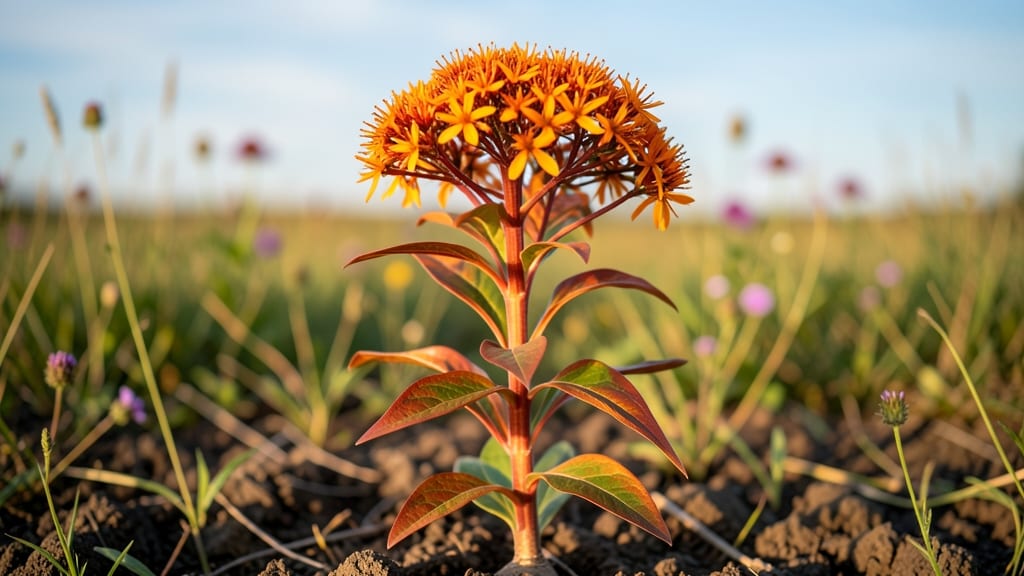
Transforming your garden into a monarch butterfly magnet starts with milkweed—the only host plant their caterpillars will eat. 🌿 I planted mine last spring along a sun-drenched border, and within weeks, the air hummed with wings.
This isn’t just a plant; it’s a lifeline for declining monarch populations while adding bold, summer-long blooms to your yard.
The magic happens when you pair milkweed with native wildflowers like coneflowers or black-eyed Susans. Together, they create a season-long buffet for pollinators, from early bees to late-season butterflies. Even small spaces work—containers or window boxes filled with milkweed and salvia can turn a balcony into a buzzing ecosystem.
The key? Full sun and well-draining soil—no fancy equipment needed.
By mid-summer, your garden becomes a fluttering paradise, with caterpillars munching on fresh leaves and chrysalises dangling like nature’s art. The blooms attract hummingbirds too, turning ordinary borders into a living tapestry of color and movement.
Plant a patch this fall, and you’ll have a thriving monarch haven by next spring.
Whether you’re designing a wildflower meadow or a tidy cottage garden, milkweed fits seamlessly. Just avoid overcrowding—give each plant 12-18 inches of space to prevent disease. The payoff? A garden that’s not just beautiful, but alive with purpose. Ready to get started?
📚 In This Guide
- What you need
- Instructions
- Tips and common mistakes
- Wrapping up and next steps
What you need
- ● Milkweed seeds or plants: Native species (e.g., Asclepias tuberosa or Asclepias syriaca) – 5–10 plants (or 100+ seeds for direct sowing).
- ● Certified organic or untreated seeds for best results.
- ● Well-draining soil: Amend with compost (1–2 inches mixed into top 6–12 inches of soil).
- ● pH 6.0–7.5 (test kit recommended).
- ● Sunlight: Full sun (6+ hours/day) for optimal growth.
- ● Watering tools: Hose with gentle spray nozzle or drip irrigation system.
- ● Garden gloves (nitrile or leather for durability).
- ● Hand trowel or transplanting spade (for seedling care).
- ● Pruners (bypass pruners for clean cuts).
- ● Mulch (2–3 inches of organic mulch, like straw or wood chips, to retain moisture).
- ○ Plant markers (optional but helpful for tracking varieties).
- ● Native companion plants: Coneflowers, bee balm, or goldenrod to attract pollinators.
- ● Shade cloth (for seedlings if your climate is hot).
- ● Pollinator-friendly fertilizer (low-nitrogen, like fish emulsion).
- ● Bird bath or water feature (monarchs need water too!).
Step-by-Step guide to planting milkweed for monarch butterflies
Here's how to create a thriving monarch magnet that blooms from early summer through fall.
🌱 Step 1: Choose the Right Milkweed Species for Your Climate
Monarchs need native milkweed species that thrive in your region—non-native varieties won't support their lifecycle. I recommend swamp milkweed for wet areas, common milkweed for dry gardens, or butterfly weed for drought-prone zones. Check your local native plant database to verify which species will thrive.
Milkweed spreads aggressively, so consider your garden's size. A single plant produces 50-100 stems over time, which is perfect for creating a naturalized patch. If space is limited, start with 2-3 plants spaced 3-4 feet apart to allow room for growth.
🪴 Step 2: Prepare the Planting Site for Optimal Growth
Milkweed tolerates a wide range of soils but performs best in full sun (at least 6-8 hours daily). Clear the area of weeds, then loosen the soil to a depth of 12 inches—this helps roots establish deeply. Amend heavy clay or sandy soil with 2-3 inches of compost to improve drainage and fertility.
Milkweed is drought-tolerant once established, but young plants need consistent moisture. Water deeply 2-3 times per week for the first 4-6 weeks until roots spread. Avoid waterlogged conditions—milkweed hates soggy roots, which can lead to fungal diseases like powdery mildew.
☀️ Step 3: Plant and Establish for Monarch Visits
Dig a hole twice as wide as the root ball but no deeper—planting too deep suffocates the roots. Gently remove the plant from its container and tease apart any circling roots. Place it in the hole so the top of the root ball sits just below soil level—this prevents rot while allowing the crown to breathe.
Backfill with native soil and water deeply to settle it. Mulch around the base with 2-3 inches of organic mulch (like wood chips) to retain moisture and suppress weeds. Monarchs will find your milkweed within 2-3 weeks once new leaves emerge—watch for the first orange eggs on the undersides of leaves.
✂️ Step 4: Maintain for Season-Long Blooms and Butterfly Support
Deadhead spent flower clusters in late summer to encourage a second flush of blooms before frost. Avoid cutting back foliage until late fall—monarch caterpillars rely on it for food. If your milkweed becomes too aggressive, divide clumps in early spring before new growth begins.
Fertilize lightly in early spring with a balanced organic fertilizer (like 10-10-10) to support vigorous growth. Too much nitrogen reduces milkweed’s ability to produce the toxins monarchs need for defense. Water deeply once a week during dry spells, but let the soil dry between waterings to prevent root rot.
🌿 Step 5: Extend the Monarch Season with Companion Plants
Pair milkweed with neighborhood plants like bee balm, coneflowers, and goldenrod to provide nectar for adult monarchs. These companions also attract pollinators, creating a biodiverse ecosystem. Plant them 12-18 inches away from the milkweed to avoid competition.
Leave some leaf litter and standing stems over winter—they shelter monarch pupae and provide food for overwintering caterpillars. In early spring, trim back dead foliage but leave 30-40% of the plant intact to support emerging butterflies.
Tips & tricks for perfect milkweed planting
Creating a thriving monarch haven starts with these key strategies that make all the difference.
Species Selection: Native milkweed is non-negotiable for monarch survival. While swamp milkweed thrives in wet areas, butterfly weed handles drought beautifully. I always check my local native plant database to confirm which species will flourish—this prevents wasted effort with non-supportive varieties. The aggressive spread of milkweed (50-100 stems per plant) is actually an advantage, but starting with 2-3 plants spaced 3-4 feet apart gives you control over garden size.
Soil Preparation: That 12-inch soil loosening in Step 2 isn't just about roots—it breaks up compacted layers that restrict water and oxygen flow. For heavy clay, I mix in 2-3 inches of compost to improve drainage while adding organic matter. The key is creating a loose, crumbly texture that mimics natural conditions where milkweed thrives. This preparation pays off when roots establish deeply in the first 4-6 weeks.
Watering Wisdom: The 2-3 times weekly watering for young plants might seem excessive, but it's critical during the first 4-6 weeks when roots are establishing. I use a soaker hose to deliver water directly to the root zone without wetting foliage—this prevents fungal diseases like powdery mildew that can devastate young plants. The goal is consistent moisture without soggy conditions that milkweed despises.
Companion Planting: Those 12-18 inches spacing for companion plants like bee balm and coneflowers creates the perfect balance—close enough to attract monarchs but far enough to avoid competition. I always leave 30-40% of the milkweed stems standing through winter, as these provide essential shelter for overwintering pupae. This simple strategy extends the monarch season by months while supporting biodiversity.
Pro Tips for Milkweed In The Garden
- Creating a thriving monarch haven starts with these key strategies that make all the difference.
- Species Selection: Native milkweed is non-negotiable for monarch survival.
- Soil Preparation: That 12-inch soil loosening in Step 2 isn't just about roots—it breaks up compacted layers that restrict water and oxygen flow.
Frequently asked questions
Got questions about growing milkweed in your garden? You’re not alone! Here are some of the most common queries—and their answers—to help you create a thriving monarch haven with ease.
What’s the best time to plant milkweed?
For Asclepias tuberosa (butterfly weed), sow seeds in early spring or fall—just after the last frost or before winter chills set in. Native milkweeds like Asclepias syriaca (common milkweed) can be planted in spring or early summer, but give them time to establish before winter. Pro tip: Soak seeds overnight to speed up germination!
Will milkweed attract pests like aphids or milkweed bugs?
Yes, milkweed may draw some pests, but don’t panic! Aphids and milkweed bugs are harmless to humans and plants (they’re actually food for monarch caterpillars). Spray off heavy infestations with water or introduce ladybugs to keep populations in check. Healthy milkweed = fewer pest problems!
Can I grow milkweed in containers?
Dwarf varieties like Asclepias curassavica (tropical milkweed) thrive in pots with well-draining soil. Just ensure the container is at least 12 inches deep and place it in full sun. Move potted milkweed indoors before winter if you’re in a cold climate.
How do I keep milkweed blooming all season?
Deadhead spent flowers to encourage more blooms, but leave seed pods for monarchs! Water deeply but infrequently (overwatering causes rot), and fertilize lightly with compost in early spring. Mulch around the base to retain moisture and deter weeds.
What if my milkweed isn’t growing? Troubleshooting tips!
| Issue | Solution |
|---|---|
| Slow germination | Seeds need light—don’t bury them! Cover lightly with soil or use a seed starter. |
| Yellowing leaves | Check for overwatering or fungal issues. Improve drainage and space plants 1–2 feet apart. |
| No monarchs visiting | Plant nearby nectar sources (like coneflowers) and avoid pesticides. Patience pays off! |
Wrapping up and next steps
Adding milkweed to your garden isn’t just a win for monarch butterflies—it’s a year-round celebration of beauty, biodiversity, and low-maintenance charm! 🌸 Whether you’re a seasoned gardener or a curious beginner, this hardy plant brings color, life, and purpose to your outdoor space.
Now that you’re armed with the how-tos and answers to common questions, why not take the next step? Pick your favorite milkweed variety, grab your gloves, and start planting! Your garden—and the monarchs—will thank you.
Pro tip: Share your progress with fellow gardeners or local conservation groups—you might inspire others to create their own monarch-friendly havens! 🌱