
Companion Plants
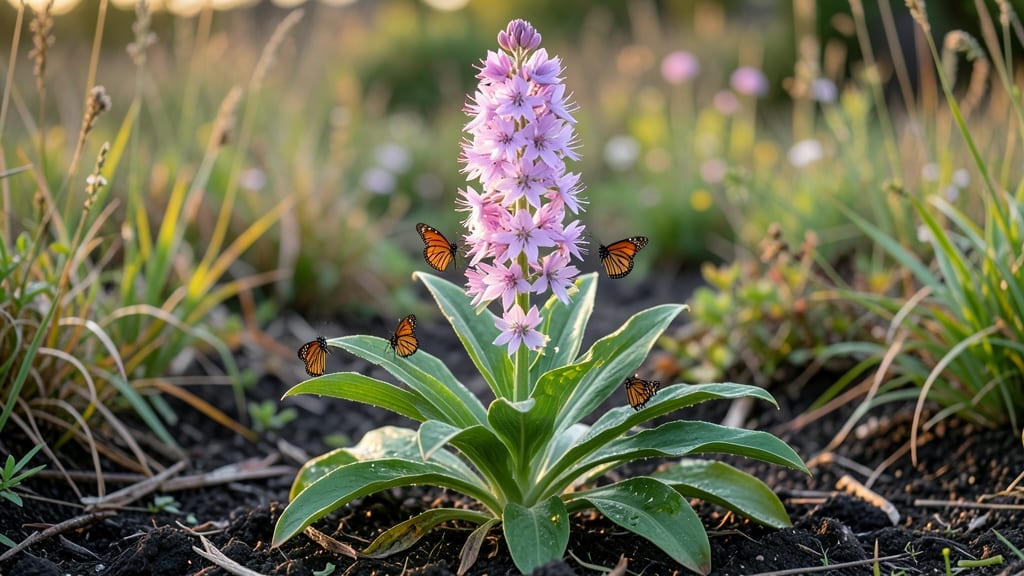
Swamp milkweed attracts monarchs exceptionally well, serving as a critical host plant for their larvae, thanks to its high latex content and preferred habitat near wetlands where monarchs thrive.
Swamp milkweed isn't just a favorite—it's practically a magnet for monarch butterflies. 🌿 The plant's thick, milky latex acts as a natural deterrent to most herbivores, but monarch caterpillars have evolved to tolerate it, making swamp milkweed their preferred nursery.
Unlike common milkweed, which grows in drier areas, swamp milkweed thrives in moist, sunny spots that align perfectly with monarch migration routes. This combination of chemical defense and ideal habitat creates an irresistible environment for egg-laying females.
What sets swamp milkweed apart is its ability to support caterpillars through their entire developmental cycle. The leaves provide essential nutrients, while the plant's wetland habitat offers protection from predators.
Gardeners in regions with natural wetlands can create monarch-friendly spaces by planting swamp milkweed alongside native grasses and shrubs, which further enhances its appeal to these iconic pollinators.
💡 In This Article
- Why Monarch Butterflies Choose Swamp Milkweed for Egg-Laying
- How to Grow Swamp Milkweed for Monarch Butterflies
Why monarch butterflies choose swamp milkweed for egg-laying
Monarch butterflies have an almost instinctive preference for swamp milkweed (Asclepias incarnata) because of its unique chemical composition. The plant produces a thick, milky latex containing cardiac glycosides—natural toxins that deter most herbivores.
However, monarch caterpillars have evolved specialized enzymes in their gut to detoxify these compounds, allowing them to feed safely. This latex isn't just a defense mechanism; it's also a signal to female monarchs that the plant is a reliable food source for their offspring. 🌿
The leaf structure of swamp milkweed plays a crucial role too. Its broad, fleshy leaves provide ample surface area for egg-laying and are packed with proteins and nutrients essential for caterpillar growth.
Studies show that monarch caterpillars grow 40-50% faster on swamp milkweed compared to other milkweed species, thanks to its higher nitrogen content. The plant's ability to thrive in moist, sunny wetlands also aligns perfectly with monarch migration patterns, offering both food and shelter during critical life stages.
Ecologically, swamp milkweed's wetland habitat creates a safer environment for monarch larvae. The dense foliage and proximity to water deter many predators, while the moist soil helps the plant maintain robust growth throughout the season.
Female monarchs can detect these ideal conditions from up to 100 feet away, using both visual cues (the plant's vibrant green leaves) and chemical signals (volatile organic compounds released by the leaves). This dual-sensory attraction ensures they choose the most productive sites for their eggs.
What makes swamp milkweed even more appealing is its resilience. Unlike some milkweed varieties that wilt under drought conditions, swamp milkweed thrives in consistently moist soils, providing a steady food source even during dry spells.
The plant's deep root system also makes it drought-tolerant once established, ensuring caterpillars have access to food regardless of seasonal weather fluctuations. This reliability is why conservationists often prioritize swamp milkweed in restoration projects aimed at supporting monarch populations.
For gardeners looking to create monarch-friendly spaces, understanding these preferences is key. Planting swamp milkweed in clusters of 3-5 plants mimics natural stands and increases the likelihood of egg-laying. Pairing it with native grasses and shrubs further enhances its appeal by providing additional shelter and nectar sources for adult monarchs.
The combination of chemical defense, nutritional value, and habitat suitability makes swamp milkweed the ultimate choice for monarch reproduction. 🦋