
Trees
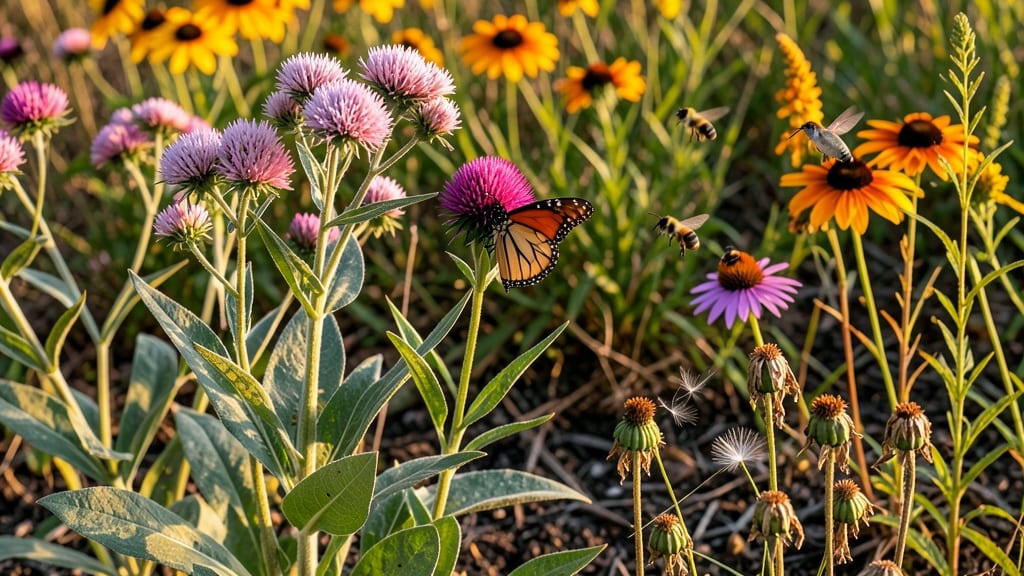
Growing milkweed in Wisconsin isn't just planting—it's creating a lifeline for monarch butterflies. 🌿 The state's cool summers and hardy zones (3–5) make it perfect for native species like Asclepias syriaca (common milkweed) and Asclepias tuberosa (butterfly weed), which thrive where others struggle.
These plants don’t just survive Wisconsin winters; they become the backbone of your pollinator garden, year after year.
Your best bet is to plant in early spring or fall, when soil temperatures are mild and rain keeps roots happy. Common milkweed loves moist, well-drained soil and full sun, while butterfly weed prefers drier conditions and tolerates partial shade.
Both spread easily, so give them space—they’ll reward you with vibrant blooms that monarchs can’t resist. Wisconsin’s native milkweeds also resist local pests like aphids better than non-native varieties.
By late summer, you’ll see monarchs fluttering in, laying eggs on fresh milkweed pods. The cycle continues as caterpillars munch away, growing strong on your plants before transforming into butterflies. This isn’t just gardening—it’s conservation in action, right in your backyard.
The Wisconsin DNR even lists these species as critical for monarch recovery, so you’re doing more than decorating your yard.
Start with seeds from local nurseries or divisions of established plants. Avoid generic garden centers—their milkweed might lack the hardiness Wisconsin needs. Once established, these perennials need minimal care, making them the ultimate low-maintenance, high-impact addition to any landscape.
Ready to make a difference? Let’s get those seeds in the ground.
📚 In This Guide
- What you need
- Instructions
- Tips and common mistakes
- Wrapping up and next steps
What you need
- ● Milkweed seeds: Choose native Wisconsin species like Asclepias syriaca (Common Milkweed) or Asclepias incarnata (Swamp Milkweed). Buy 50–100 seeds for a small patch or 200+ seeds for a larger garden.
- ● Seed-starting mix: A high-quality, sterile potting mix (e.g., Black Gold Natural & Organic) for indoor germination. Use 1–2 gallons per batch.
- ● Grow trays or pots: Biodegradable peat pots or 4–6 inch containers (minimum 10–20 units for a starter batch).
- ● Garden soil: Well-draining, native soil amended with compost (avoid heavy clay unless amended). Test soil pH (ideal: 5.5–7.0).
- ● Fertilizer: Low-phosphorus, high-potassium fertilizer (e.g., 5-10-10) or compost tea for established plants.
- ● Hand trowel or transplanting spade (for digging small holes).
- ● Garden gloves (to protect from sap and thorns).
- ● Watering can or hose with gentle nozzle (milkweed dislikes soggy soil!).
- ○ Mulch (optional but recommended): Straw, wood chips, or shredded leaves (2–3 inches) to retain moisture.
- ● Pruners or shears (for trimming dead foliage or invasive vines).
- ● Plant labels (to track varieties and planting dates).
- ● Sunlight: Full sun (6+ hours/day) for optimal growth.
- ● Space: Mature milkweed can reach 3–5 feet tall; space plants 18–36 inches apart.
- ● Water source: Consistent moisture (especially for seedlings) but avoid waterlogged areas.
- ● Patience: Seeds may take 2–4 weeks to germinate; plants grow slowly but thrive long-term!
- ● Local regulations: Check Wisconsin DNR guidelines for invasive species rules (most native milkweed is safe!).
- ● Pollinator-friendly companion plants (e.g., bee balm or coneflowers).
- ● Bird feeders or baths (monarchs aren’t the only visitors! 🦋).
- ● Seed-saving envelopes (to collect and share milkweed seeds next season).
Step-by-Step guide to establishing a thriving Wisconsin milkweed patch
Here's how I transform Wisconsin's challenging climate into a monarch magnet—with plants that survive winter and thrive all season.
🌱 Step 1: Select Native Milkweed Varieties for Wisconsin
Wisconsin's climate favors three hardy milkweed species: swamp milkweed (Asclepias incarnata) for wet areas, common milkweed (Asclepias syriaca) for dry sites, and butterfly weed (Asclepias tuberosa) for sunny, well-drained spots. I always choose local ecotypes—plants adapted to Wisconsin's temperature swings and soil pH. Check your USDA hardiness zone (5-6 for most of the state) before purchasing seeds or transplants.
Swamp milkweed thrives in full sun to partial shade and handles Wisconsin's heavy spring rains, while butterfly weed demands full sun and rocky, dry soil. Common milkweed adapts to almost anything but struggles in waterlogged conditions. This regional specificity ensures your plants grow strong and support monarchs year after year.
🪴 Step 2: Prepare Planting Sites for Wisconsin Conditions
Clear the area of invasive species like garlic mustard or buckthorn, which outcompete milkweed. In spring, till the soil to a depth of 6-8 inches to break up compacted clay common in Wisconsin. For swamp milkweed, create shallow depressions to capture rainwater—these plants need consistently moist soil but won't tolerate standing water. For butterfly weed, amend sandy soils with 2-3 inches of compost to improve fertility.
I always test soil pH before planting—Wisconsin's native milkweeds prefer slightly acidic to neutral soil (pH 6.0-7.0). If your soil tests higher than 7.5, mix in elemental sulfur at planting time. The key is mimicking natural prairie or wetland conditions where these plants evolved. Don't overdo amendments—milkweed grows best in lean, well-drained soil.
☀️ Step 3: Plant at Optimal Times and Depths
For spring planting, wait until after the last frost date (typically mid-May in Wisconsin) when soil temperatures reach 50°F. Plant seeds ¼ inch deep—they need light to germinate, so don't bury them too deeply. Space seeds 6-12 inches apart in rows 18-24 inches apart to allow for mature plant size. For fall planting, sow seeds in September or October so they stratify naturally over winter.
Transplants should go in during late spring when they're 4-6 inches tall. Handle them carefully—they have delicate taproots. Water immediately after planting to settle the soil and remove any weeds that might compete. I always mulch with 2-3 inches of wood chips to retain moisture and suppress weeds, especially important in Wisconsin's wet springs.
💧 Step 4: Water and Maintain Through Wisconsin's Seasons
Water newly planted milkweed deeply once a week during the first growing season, providing 1 inch of water total. In Wisconsin's hot summers, increase to twice weekly but avoid overhead watering to prevent fungal diseases like powdery mildew. Once established (after 2-3 years), milkweed becomes drought-tolerant and needs minimal watering. I check soil moisture by digging down 2 inches—if it's dry, it's time to water.
Fertilize only once during the first growing season with 5-10-10 fertilizer at ½ strength in early spring. Too much nitrogen produces lush foliage but fewer flowers—monarchs need those flowers! In fall, cut back dead stems to 4-6 inches tall to prevent disease overwintering. Wisconsin's cold winters kill back the foliage, but the roots survive to produce new growth in spring.
✂️ Step 5: Encourage Year-Round Monarch Support
Leave seed pods on plants through winter—monarchs and other pollinators need the food and shelter. In early spring, before new growth appears, I lightly rake away old leaves to reveal emerging shoots. This prevents milkweed leaf beetle infestations, which can defoliate plants completely. If you notice orange beetles on leaves, handpick them into soapy water immediately.
By mid-June, your milkweed should be in full bloom. This is when monarchs begin their migration north through Wisconsin. I always plant multiple species together to extend the blooming season—swamp milkweed flowers in July-August, while butterfly weed blooms from June to September. The more flowers you have, the more monarchs will stop, lay eggs, and fuel their migration.
Tips & tricks for perfect Wisconsin milkweed growth
These game-changing insights will help you create a thriving monarch butterfly haven that survives Wisconsin's toughest seasons.
Species Selection: When choosing between swamp milkweed, common milkweed, and butterfly weed, consider your site's moisture level first. Swamp milkweed's ability to handle Wisconsin's spring floods makes it my go-to for wetter areas, while butterfly weed's drought tolerance ensures it thrives in rocky, dry spots. I've found that planting all three together creates a continuous blooming season that monarchs can't resist—swamp in July-August and butterfly from June-September.
Soil Preparation: The 6-8 inch deep tilling in Step 2 is crucial for breaking up Wisconsin's compacted clay soils. For butterfly weed specifically, don't skimp on the 2-3 inches of compost—this species needs better drainage than our native soils typically provide. I've seen dramatic improvements in germination rates when I combine this tilling with a light application of wood ash (just 1/2 cup per planting area) to raise pH slightly in acidic soils.
Timing Strategy: That 50°F soil temperature threshold in Step 3 is non-negotiable for spring planting. I use a soil thermometer to verify this temperature before planting, especially in cooler Wisconsin springs. For fall planting, I mark my calendar for early September—this gives seeds enough time to stratify naturally before winter sets in. Pro tip: Plant a small test patch of each species in different locations to see which thrives best in your specific microclimate.
Pest Prevention: The milkweed leaf beetle infestations mentioned in Step 5 can be devastating, but I've developed a simple routine: Every Saturday morning during bloom season, I do a quick inspection of my plants. When I spot those orange beetles, I immediately drop them into soapy water. This early intervention has saved my patches from complete defoliation multiple times. For larger infestations, I've had success with neem oil applied in the evening when bees aren't active.
Pro Tips for Milkweed In Wisconsin
- These game-changing insights will help you create a thriving monarch butterfly haven that survives Wisconsin's toughe...
- Species Selection: When choosing between swamp milkweed, common milkweed, and butterfly weed, consider your site's mo...
- Soil Preparation: The 6-8 inch deep tilling in Step 2 is crucial for breaking up Wisconsin's compacted clay soils. Fo...
Frequently asked questions
Got questions about growing milkweed in Wisconsin?
You’re not alone! Here are answers to the most common queries to help you create the perfect monarch butterfly haven.
When is the best time to plant milkweed in Wisconsin?
For Asclepias syriaca (common milkweed), plant seeds in early spring (March–April) or late summer (August–September) for fall germination. Start seeds indoors 6–8 weeks before the last frost if you prefer transplants. Native species like Asclepias incarnata (swamp milkweed) thrive when planted in spring or early fall.
Will milkweed attract pests or diseases?
Milkweed is generally low-maintenance, but watch for aphids, spider mites, or leaf spot fungus in humid Wisconsin summers. Solution: Spray pests off with water or use neem oil. Ensure good airflow by spacing plants 1–3 feet apart to prevent fungal issues. Monarchs and ladybugs often help control pests naturally!
Can I grow milkweed in containers or small spaces?
Compact varieties like Asclepias tuberosa (butterfly weed) or Asclepias verticillata (whorled milkweed) thrive in 5–10 gallon pots with well-draining soil. Use a deep container (12+ inches) for larger species. Place in full sun (6+ hours/day) and water when the top inch of soil dries out.
Does milkweed survive Wisconsin winters?
Most Wisconsin-friendly milkweed species are perennial and cold-hardy (zones 3–9). Asclepias syriaca and incarnata return yearly, while tuberosa may need mulch for extra protection. Pro tip: Cut back dead foliage in early spring to encourage fresh growth and deter pests.
What if my milkweed doesn’t bloom?
Non-blooming milkweed often lacks sunlight, nutrients, or proper spacing. Fix it:
- Move to a sunnier spot (6+ hours of light).
- Fertilize lightly in spring with compost or balanced 10-10-10.
- Thin crowded plants to reduce competition.
- Be patient—some species (like tuberosa) take 2–3 years to bloom.
Wrapping up and next steps
Milkweed isn’t just a plant—it’s a lifeline for Wisconsin’s monarch butterflies and a beautiful addition to your garden year-round! 🌿 Whether you’re planting it for pollinators, native landscapes, or even culinary experiments, this hardy plant offers endless rewards.
Now that you’re equipped with the how-to’s and answers to common questions, why not take the next step?
🌱 Ready to make a difference? Start small—grow a patch in your backyard, share seeds with neighbors, or even advocate for milkweed-friendly policies in your community. Every plant helps! 🦋