
Trees
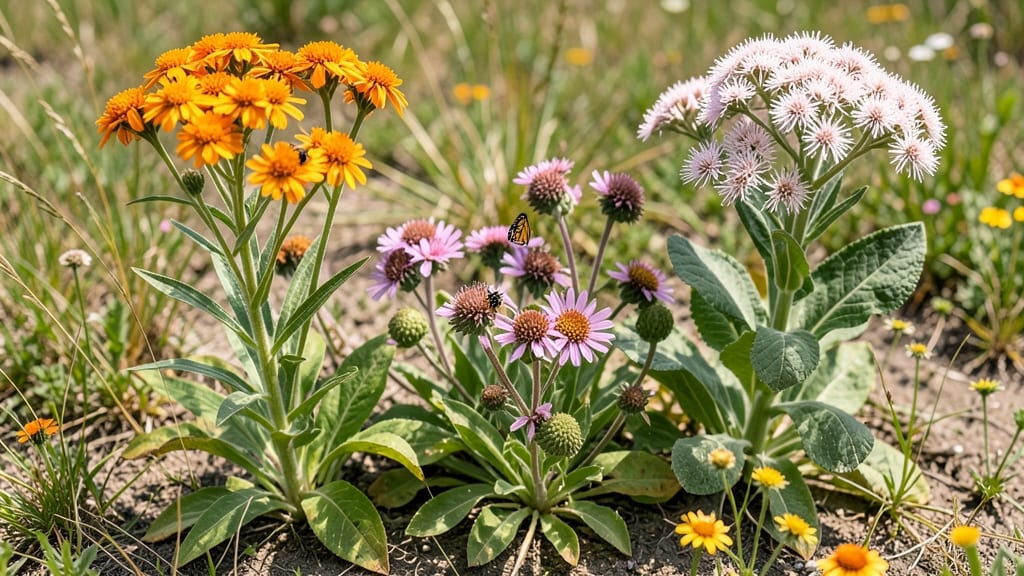
Native milkweed species in Oklahoma include Asclepias tuberosa (butterfly weed), Asclepias incarnata (swamp milkweed), and Asclepias syriaca (common milkweed), all vital for monarch butterfly survival and well-adapted to Oklahoma's dry conditions. These plants thrive in full sun with well-drained soil.
Oklahoma's native milkweeds aren't just important for monarch butterflies—they're ecological workhorses. 🌿 The bright orange Asclepias tuberosa (butterfly weed) is particularly drought-resistant, making it perfect for Oklahoma's variable climate, while Asclepias incarnata thrives near water sources and provides food for adult monarchs.
These species support the entire butterfly life cycle, from egg-laying to caterpillar feeding. What's fascinating is how their deep root systems help prevent soil erosion while providing habitat for other pollinators like bees and hummingbirds.
For gardeners, these plants offer both ecological benefits and low-maintenance beauty. The key to successful planting is mimicking their natural conditions—full sun exposure and well-drained soil are non-negotiable. Asclepias tuberosa actually prefers poorer soil, while the swamp varieties need consistent moisture.
I've found that planting them in clusters creates more appealing habitats for monarchs than single plants.
💡 In This Article
- Key Oklahoma Milkweed Species for Monarch Butterflies
- Planting and Maintaining Oklahoma Milkweed for Pollinators
Key Oklahoma milkweed species for monarch butterflies
The three most critical milkweed species in Oklahoma each play distinct ecological roles. Asclepias tuberosa (butterfly weed) thrives in dry, rocky soils with its bright orange blooms that monarchs adore.
Its deep taproots can reach 3-5 feet deep, making it exceptionally drought-tolerant—ideal for Oklahoma's 30-40 inches of annual rainfall. 🌵 The plant's milky sap contains cardiac glycosides, which are toxic to most herbivores but perfectly adapted for monarch caterpillars, which have evolved specialized enzymes to process these compounds.
Asclepias incarnata (swamp milkweed) prefers moist soils near streams and wetlands, where its pinkish-purple flowers attract both monarchs and other pollinators. This species grows 3-5 feet tall and produces 200-500 seeds per pod, creating dense stands that provide optimal caterpillar feeding grounds. The key difference here is its moisture requirements—while butterfly weed can survive on 1 inch of water per week, swamp milkweed needs consistent dampness to thrive.
Finally, Asclepias syriaca (common milkweed) forms extensive colonies through underground rhizomes, making it perfect for large gardens. Its white to greenish flowers appear in late June to August, providing late-season nectar for migrating monarchs.
This species is particularly valuable because its broad leaves offer more surface area for egg-laying females, with studies showing monarchs prefer plants with 10+ leaves for optimal caterpillar growth.
What's fascinating is how these species complement each other in Oklahoma's ecosystem.
Butterfly weed provides early-season food, swamp milkweed supports mid-season growth, and common milkweed ensures late-season sustenance. 🦋 The milkweed's leaf structure also matters—monarch caterpillars prefer the broader leaves of Asclepias syriaca for their voracious appetites, while the narrower leaves of butterfly weed suit their early developmental stages.
Here's a quick comparison of their key characteristics:
- Growth Habit: Butterfly weed (1-3 feet tall, clumping), swamp milkweed (3-5 feet tall, upright), common milkweed (2-5 feet tall, spreading)
- Flower Color: Orange (butterfly), pink-purple (swamp), white/greenish (common)
- Soil Preference: Dry (Asclepias tuberosa), moist (Asclepias incarnata), adaptable (Asclepias syriaca)
- Toxicity Level: All contain cardiac glycosides, but monarchs have evolved resistance while other insects avoid them
The timing of milkweed growth is equally crucial for monarchs. Butterfly weed typically blooms in May-June, aligning with monarch egg-laying periods, while common milkweed's later blooming supports the next generation. This synchronized growth pattern ensures continuous food sources throughout the 4-6 week larval stage.