
Pests
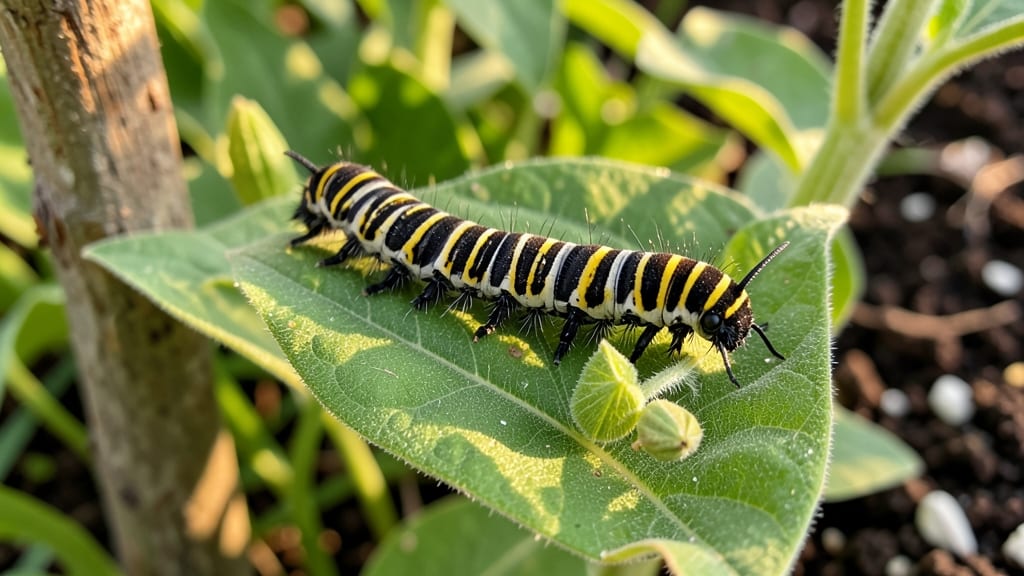
Growing milkweed for monarch caterpillars isn't just gardening—it's butterfly conservation in action. 🌱 I've watched eggs turn into caterpillars, then chrysalises, and finally fluttering monarchs right from my backyard, and the process is nothing short of magical.
The key is planting the right species—like Asclepias tuberosa (butterfly weed) or Asclepias syriaca (common milkweed)—and giving them the perfect conditions to thrive.
Monarchs need milkweed more than ever, with their populations declining by 90% over the past two decades. The good news? This plant is tough—it handles poor soil, drought, and even urban conditions.
Just give it full sun (at least 6 hours daily) and well-draining soil. Water lightly after planting, then let nature take over; milkweed hates soggy roots.
By late summer, you’ll see the payoff: caterpillars munching away on fresh leaves, then forming chrysalises that’ll emerge as vibrant orange monarchs. The garden becomes a stopover on their migration, and you’ll feel like part of the solution.
Plus, the bright orange blooms add a pop of color that lasts all season.
Works in every region—just match the milkweed species to your climate. Native plants are the best choice, and they’ll reward you with both beauty and purpose. Here’s how to make it happen without the guesswork.
📚 In This Guide
- What you need
- Instructions
- Tips and common mistakes
- Wrapping up and next steps
What you need
- ● Milkweed plants: At least 3–5 mature plants (native species like Asclepias tuberosa or Asclepias syriaca work best). Ensure they’re pesticide-free!
- ● Potting soil: 2–3 bags (well-draining, organic blend for planting or containers).
- ○ Containers (optional but helpful): Mesh-sided cages (12"–18" tall) for rearing caterpillars—2–4 cages if raising multiple broods.
- ● Small pots (4"–6" diameter) for seed-starting milkweed indoors.
- ● Watering can or spray bottle: For gentle hydration (avoid soaking milkweed leaves).
- ● Pruning shears: For trimming milkweed to encourage new growth.
- ○ Gloves: Optional but recommended—milkweed sap can irritate skin.
- ● Magnifying glass: For spotting tiny eggs (monarchs lay them on the underside of leaves!).
- ● Egg carton or small container: To safely transport found caterpillars or eggs.
- ● Label markers: For tagging plants or cages with dates (track growth stages!).
- ○ Neem oil (optional): For organic pest control—avoid spraying on milkweed if caterpillars are present.
- ● Sunlight: Full sun (6+ hours daily) for milkweed growth.
- ● Climate: Monarchs thrive in USDA Zones 3–10; adjust planting times for your region.
- ● Water source: A shallow dish or drip irrigation for adult butterflies.
Step-by-step guide to cultivating milkweed for monarch butterflies
Here’s how to create a thriving monarch habitat—where milkweed becomes a caterpillar buffet and your garden transforms into a butterfly nursery.
🌱 Step 1: Select and Plant the Right Milkweed Species
Monarchs rely on milkweed exclusively for their caterpillars, so choose native varieties like swamp milkweed (Asclepias incarnata) or common milkweed (Asclepias syriaca). These species thrive in full sun and produce abundant foliage, which is critical for caterpillar feeding. Plant seeds in late spring or early summer after the last frost, when soil temperatures reach at least 60°F—this ensures strong germination.
Sow seeds ½ inch deep in well-draining soil and space them 12-18 inches apart. Milkweed grows aggressively, so avoid planting near delicate perennials. Water deeply after planting, then maintain 1 inch of moisture weekly until seedlings reach 4 inches tall. You’ll notice young plants developing oval leaves with milky sap—this is your first sign they’re ready for monarchs.
☀️ Step 2: Ensure Full Sun and Proper Watering
Monarch caterpillars need 6+ hours of direct sunlight daily to thrive, so position your milkweed in the sunniest spot possible. Without enough light, plants grow leggy and produce fewer leaves—limiting food for caterpillars. If shade is unavoidable, supplement with a grow light for 12-14 hours/day during early growth stages.
Water deeply 2-3 times weekly, allowing the soil to dry slightly between waterings. Overwatering causes root rot, while drought stress weakens plants. Check moisture by pressing your finger 1 inch into the soil—if it feels dry, it’s time to water. You’ll see vibrant green leaves as a sign your milkweed is happy and healthy.
🌿 Step 3: Attract Monarch Eggs and Caterpillars
Monarchs lay eggs on milkweed leaves, so avoid pesticides—even natural ones—during the growing season. Instead, handpick caterpillars from nearby plants and place them on your milkweed. You’ll spot eggs as tiny white ovals on the underside of leaves. A single female can lay 300-400 eggs in her lifetime, so multiple plants increase survival rates.
Once caterpillars arrive, they’ll munch voraciously—this is normal! A healthy milkweed plant can support 5-10 caterpillars before needing a break. If leaves are nearly gone, move caterpillars to a fresh plant or supplement with potted milkweed placed nearby. Watch for black, yellow, and white striped caterpillars—these are your monarchs in action.
⏰ Step 4: Support the Metamorphosis Process
When caterpillars reach 2 inches long, they’ll form a chrysalis (pupa) on a leaf or stem. Leave them undisturbed—they’ll emerge as butterflies in 10-14 days. Provide a small container with damp sand nearby for emerging adults to rest on while drying their wings. Avoid touching chrysalises; monarchs are sensitive to human interference at this stage.
Newly emerged butterflies will pump their wings to dry them. Offer nectar-rich flowers like bee balm or coneflower to fuel their first flights. You’ll see them flutter weakly at first, then gain strength within hours. Release them in the afternoon when temperatures are above 65°F—they’ll fly better in warmer air.
Tips & tricks for cultivating thriving monarch habitats
Transforming your garden into a monarch haven takes more than just planting milkweed—it’s about creating the perfect conditions for every stage of their life cycle. Here’s how to set yourself up for success.
Species Selection Matters: While swamp milkweed and common milkweed are excellent choices, consider regional climate when selecting varieties. In cooler northern climates, swamp milkweed (Asclepias incarnata) often thrives better than its southern counterparts. For drier regions, look for drought-tolerant varieties like butterfly weed (Asclepias tuberosa). The key is matching your local ecosystem—this ensures your plants will grow strong enough to support caterpillars from the start.
Lighting is Non-Negotiable: The 6+ hours of direct sunlight requirement isn’t just a suggestion—it’s the foundation of a healthy milkweed plant. If your garden has limited sun exposure, consider installing a grow light for the early stages. Position it 6-12 inches above seedlings and run it for 12-14 hours daily until plants are established. This mimics natural sunlight and prevents the leggy growth that makes plants vulnerable to pests and disease.
Watering Wisdom: When checking soil moisture by pressing your finger 1 inch deep, pay attention to the texture—it should feel like a damp sponge, not a soggy rag. Overwatering is the #1 cause of root rot in milkweed. For container-grown plants, ensure pots have drainage holes and use a well-draining soil mix. The vibrant green leaves you’re aiming for are your reward for getting this balance right—it’s the visual confirmation your plants are thriving.
Pest Prevention Strategy: The pesticide-free approach works best when you’re proactive. Introduce beneficial insects like ladybugs and lacewings to your garden—they’ll keep aphids and other pests in check naturally. If you notice any signs of distress on your milkweed, isolate affected plants immediately and remove damaged leaves. Remember, monarchs are picky about where they lay their eggs, so maintaining healthy plants is your best defense against competition from other insects.
Pro Tips for Milkweed And Monarch Caterpillars
- Transforming your garden into a monarch haven takes more than just planting milkweed—it’s about creating the perfect conditions for every stage of their life cycle.
- Species Selection Matters: While swamp milkweed and common milkweed are excellent choices, consider regional climate when selecting varieties.
- Lighting is Non-Negotiable: The 6+ hours of direct sunlight requirement isn’t just a suggestion—it’s the foundation of a healthy milkweed plant.
Frequently asked questions
Got questions?
Here are some of the most common ones about growing milkweed and raising monarch caterpillars—plus quick answers to help you succeed!
What if I don’t have milkweed in my area? Can I grow it?
Milkweed thrives in most U.S. regions (zones 3–11). Start with seeds from a trusted supplier (like Asclepias tuberosa or Asclepias syriaca) or purchase live plants. Give it full sun and well-draining soil. Pro tip: Native milkweed species support monarchs best—avoid tropical varieties like Asclepias curassavica, which are less nutritious.
When is the best time to plant milkweed for caterpillars?
Plant in early spring (after frost) or late summer for a fall bloom. Monarchs lay eggs on fresh leaves, so aim for May–July in most areas. If you’re raising caterpillars indoors, ensure milkweed is pesticide-free and harvest leaves daily—they’re gone in hours!
What do I do if my caterpillars stop eating?
First, check for parasites (tiny white cocoons) or Ophryocystis elektroscirrha (OE), a protozoan disease. Isolate affected caterpillars. Offer fresh milkweed leaves and keep them warm (70–80°F). If they’re lethargic but still hungry, they might be preparing to pupate—find a safe spot for them to form chrysalises!
Can I use milkweed from my yard if it looks “weedy”?
Wild milkweed is great, but avoid treated lawns or plants near roads (pesticide risk). If it’s untouched, harvest leaves from the top third of the plant to avoid damaging roots. Rinse leaves with water to remove dirt or pests. Warning: Some wild varieties (like Asclepias incarnata) are edible to humans—never feed them to caterpillars!
How do I keep caterpillars from getting too hot or cold?
Monarch caterpillars need stable temps (65–85°F). In heatwaves, move their container to shade or mist leaves. For cold snaps, place them near a sunny window (not direct heat). A DIY solution: Use a mesh cage with a clear lid to trap warmth. Avoid plastic—it traps moisture and causes mold.
What’s the fastest way to grow milkweed from seed?
Cold-stratify seeds for 2–4 weeks in a damp paper towel in the fridge. Plant in pots with well-draining soil, keeping them moist but not soggy. Seedlings sprout in 1–3 weeks. Speed hack: Use a heat mat (70°F) to germinate faster. Transplant outdoors after true leaves appear!
Wrapping up and next steps
Milkweed isn’t just a plant—it’s the lifeline for monarch caterpillars, turning your garden into a vibrant hub of nature’s magic. 🌿 By planting native milkweed species and supporting their life cycle, you’re not only fostering biodiversity but also playing a critical role in monarch conservation. Your efforts matter!
Ready to take the next step? Start small: plant a patch of milkweed this season and watch as your garden transforms into a caterpillar cafeteria and butterfly nursery. Share your journey with fellow nature lovers—every garden helps! 🦋