
Landscaping
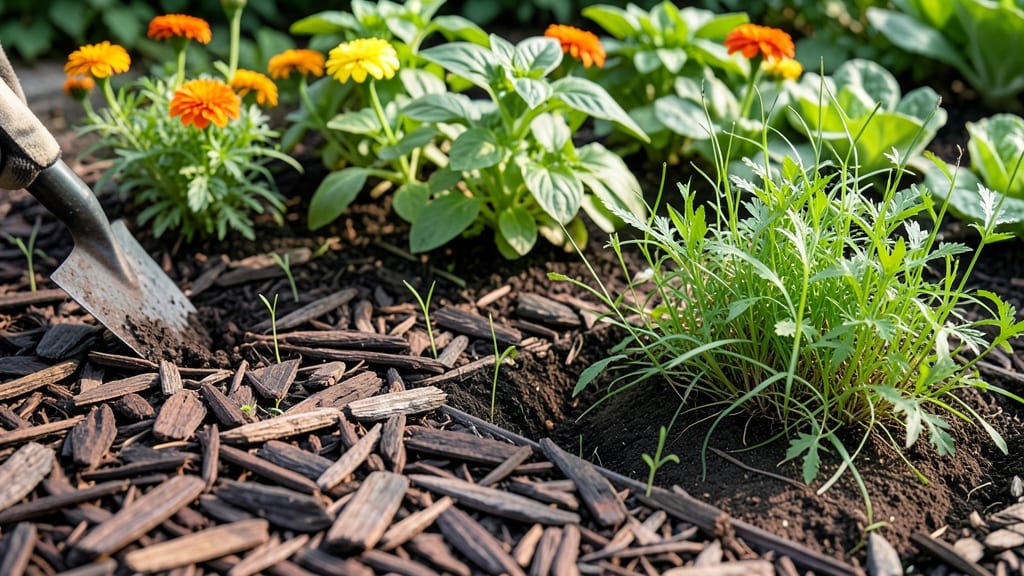
Mulch stops weeds by blocking sunlight, which prevents weed seeds from germinating, while also smothering existing weeds and reducing soil evaporation. Organic mulches further suppress weeds by creating a dense barrier over the soil surface.
Mulch works like nature's weed barrier by cutting off the sunlight that weeds need to grow. 🌱 When you spread a thick layer—about 2-4 inches—you're essentially creating a dark, inhospitable environment for weed seeds.
This isn't just about light deprivation; organic mulches like wood chips or straw also break down over time, adding nutrients to the soil while maintaining that weed-blocking barrier. The key is consistency—replenishing mulch as it decomposes keeps those pesky weeds at bay season after season.
What's interesting is how different mulch types play this role. Inorganic options like gravel or landscape fabric focus purely on physical blocking, while organic mulches add the bonus of improving soil health.
I've found that a mix of both—like wood chips for the bulk and a layer of cardboard underneath—gives the best long-term results. The cardboard decomposes slowly, creating a natural weed barrier while the wood chips maintain moisture and suppress growth.
💡 In This Article
- How Mulch Blocks Light to Prevent Weed Growth
- Best Mulch Types for Weed Prevention in Gardens
How mulch blocks light to prevent weed growth
Weeds rely on sunlight for photosynthesis—the process that converts light energy into the sugars they need to grow. When you apply mulch, you're essentially creating a physical barrier that cuts off this critical light source. 🌱 Most weed seeds require 6-8 hours of direct sunlight daily to germinate and thrive.
A 3-inch layer of mulch can reduce light penetration by up to 90%, creating a dark environment that starves seeds of the energy they need to sprout.
This light deprivation works best with organic mulches like wood chips or straw, which break down over time while maintaining that crucial shade.
The thickness of your mulch layer directly impacts its effectiveness. Studies show that 2-4 inches is ideal—thinner layers (1 inch) allow too much light through, while thicker layers (> 4 inches) can suffocate plant roots by preventing oxygen and water from reaching the soil.
Organic mulches also improve soil moisture retention, which indirectly helps suppress weeds. When the soil stays consistently moist, weed seeds are less likely to germinate because they require alternating wet-dry cycles to break dormancy. 💧
There's a fascinating difference between organic and inorganic mulches in how they block light. Organic materials like shredded leaves or grass clippings decompose over time, gradually releasing nutrients while maintaining their weed-suppressing properties.
Inorganic options such as black plastic or landscape fabric, on the other hand, provide immediate light blocking but don't improve soil health. The trade-off? Organic mulches require more frequent replenishment (every 6-12 months), while inorganic mulches last longer but can trap heat and alter soil chemistry over time.
Another key factor is how mulch affects soil temperature. Organic mulches act like insulation, keeping soil 5-10°F cooler in summer and 5-10°F warmer in winter than exposed soil. This temperature regulation creates an even less hospitable environment for weed seeds, which often need specific temperature ranges to germinate.
For example, crabgrass seeds typically require soil temperatures above 55°F to sprout—something mulch can help delay until later in the season. 🌡️
What most gardeners don't realize is how mulch composition affects its weed-suppressing power. Coarse materials like wood chips create larger air gaps, allowing some light to penetrate but still blocking enough to suppress weeds.
Finer materials like compost or shredded bark create a denser barrier that's more effective at light deprivation. The best approach often combines both: a 2-inch base layer of coarse mulch (for aeration) topped with 1 inch of finer material (for maximum light blocking).
This two-layer system gives you the benefits of both textures while minimizing maintenance.
For maximum effectiveness, apply mulch when weed seeds are most active—typically in early spring before annual weeds germinate. In established gardens, a fresh layer of mulch in late summer helps prevent winter weeds from taking hold.
The key is consistency: maintaining that 2-4 inch layer year-round creates an environment where weeds simply can't compete with your desired plants. 🌿