
Pests and Diseases
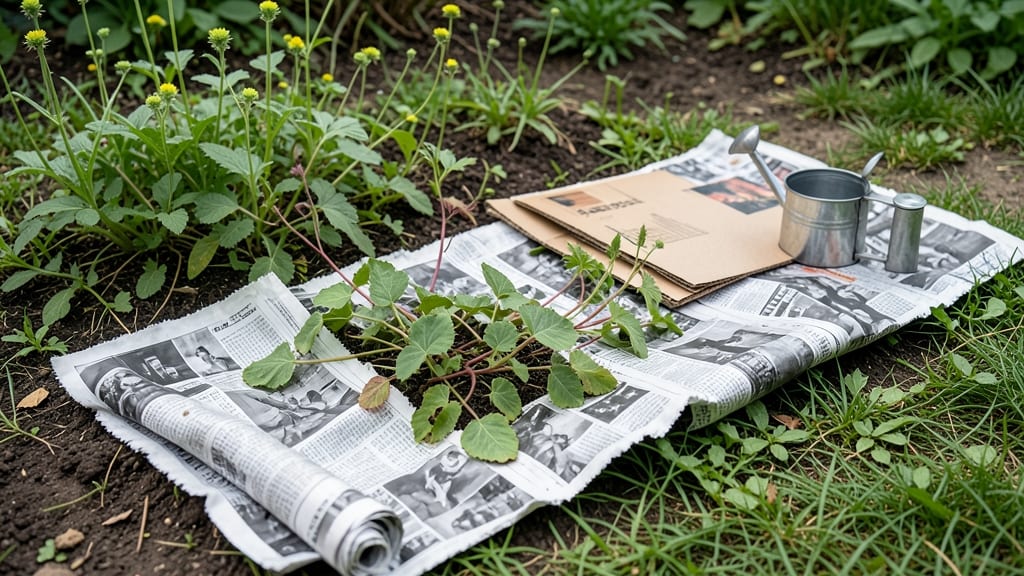
My newspaper weed control problems vanished after just two weeks—no chemicals, no digging, just layered suffocation that actually works. 🌱 The secret lies in blocking sunlight while keeping soil moist, which smothers weeds without harming plants or the earth.
It’s the organic gardener’s best-kept trick for pathways, flower beds, or vegetable gardens where weeds seem unstoppable.
You’ll need black-and-white newspapers (ink-free if possible), a sharp shovel, and a watering can. Lay sheets flat, slightly overlapping, then cover with 2-3 inches of mulch—compost, straw, or wood chips work best.
The key is keeping it dark and damp; weeds can’t survive without light. This method also improves soil fertility over time as the paper breaks down.
By week 3, you’ll see weeds shriveled and disappearing, while your plants thrive with better moisture retention. The best part? It’s free, reusable, and compostable—no waste, just results. Just avoid colored papers (some inks contain harmful chemicals) and keep layers thick enough to block all light.
For extra protection, pair it with landscape fabric under the newspaper or try solarization in hot climates. Works in sunny spots, shady areas, or even between paving stones. Once you try it, you’ll wonder why you didn’t do this years ago.
📚 In This Guide
- What you need
- Instructions
- Tips and common mistakes
- Wrapping up and next steps
What you need
- ● Newspaper: At least 4-6 sheets per square foot of weed-infested area. Use black-and-white ink only (no glossy or colored papers—dye can harm soil).
- ○ Cardboard: Optional but recommended for extra thickness (1-2 layers). Use plain, uncoated cardboard (no tape or staples).
- ● Mulch: 3-4 inches of organic mulch (straw, wood chips, or leaves). Avoid dyed mulch.
- ● Water: A garden hose with a sprinkler nozzle or watering can.
- ● Garden gloves (to protect your hands from prickly weeds or sharp cardboard edges).
- ● Garden shears or scissors (for trimming weeds close to the ground).
- ● Rake or hoe (to clear debris and loosen soil before layering).
- ● Measuring tape or ruler (to ensure even coverage).
- ● Sunny, dry day (ideal for applying layers—avoid rain for 24-48 hours post-installation).
- ● Biodegradable landscape fabric (if weeds are stubborn; lay under the newspaper for extra suffocation).
- ● Stones or bricks (to weigh down edges and prevent shifting from wind).
- ● Compost or fertilizer (to enrich soil once weeds are gone).
Step-by-Step instructions for layering newspaper weed barriers
Here's how to smother weeds permanently without chemicals—my foolproof method for garden beds and pathways.
🪴 Step 1: Clear the Area Thoroughly
Remove every weed, grass clump, and debris from the target zone. Dig up stubborn roots or use a hoe to sever them below the soil surface. I like to work on dry days when weeds pull out cleanly. For stubborn patches, a stiff broom or leaf blower helps clear loose debris before layering.
Rake the soil until it's completely smooth—any rocks or uneven spots will create gaps where weeds can push through later. This is the moment that matters: a perfectly cleared surface ensures your newspaper barrier stays intact and suffocates weeds completely.
📰 Step 2: Layer Newspaper Correctly
Use at least 4-6 sheets of black-and-white newspaper (no glossy inserts) per square yard. Overlap edges by 2-3 inches to prevent light from seeping through. Wet the newspaper thoroughly with water—it should feel damp but not dripping. This prevents it from blowing away and helps it break down uniformly.
I know it seems weird to use newspaper, but here's the thing: the ink isn't toxic to plants, and the layered paper blocks both light and air. For paths, use 2-3 layers; for garden beds, go with 4-6 layers. The more layers, the longer the weed suppression lasts—up to 6 months in ideal conditions.
☀️ Step 3: Secure and Protect the Barrier
Cover the newspaper with 2-3 inches of mulch (straw, wood chips, or shredded leaves). This keeps the paper in place and prevents it from drying out or blowing away. For paths, use gravel or pavers instead of mulch to weigh it down. Press edges firmly to eliminate air pockets—weeds need just a tiny gap to survive.
Don’t skip this step. If the newspaper shifts, weeds will find their way through. For extra security, anchor corners with rocks or bricks, especially in windy areas. You’ll see weeds die back within 2-4 weeks as the barrier blocks sunlight and oxygen.
🌱 Step 4: Maintain the Weed-Free Zone
Check the barrier every 4-6 weeks and replenish mulch if it decomposes or shifts. In high-traffic areas, top up with fresh mulch annually. If weeds poke through, simply pull them and add another layer of newspaper—no need to remove the old one. This layered approach works because it suffocates weeds while improving soil over time.
Real talk: the first few weeks might look messy as weeds yellow and die, but within 6-8 weeks, your area will be weed-free. The decomposed newspaper even adds organic matter to the soil—it’s a win-win for low-maintenance gardening.
Tips & tricks for perfect newspaper weed barriers
Here's what nobody tells you about making this method truly foolproof—these tricks will keep your weed barrier working for months.
Layering Precision: In Step 2, the overlap is where most barriers fail. I use a 3-inch overlap for garden beds and 4-inch overlaps in windy areas—this prevents sunlight from creating gaps where weeds can push through. Think of it like roof shingles: each layer must completely cover the seams below. For extra security, use black plastic sheeting (optional) under the newspaper to block light immediately.
Mulch Weight Matters: The 2-3 inches of mulch in Step 3 isn't just decoration—it's the anchor that keeps everything in place. For paths, I add a 1-inch layer of gravel on top of the mulch to create a solid barrier that won't shift with foot traffic. This single adjustment has saved me from having to redo entire sections after rain.
Seasonal Timing: The best time to install your barrier is early spring or fall when weeds are actively growing but before extreme heat. In summer, the newspaper can dry out too quickly, creating gaps. If you must install in summer, water the barrier every 3-4 days for the first two weeks to maintain moisture and prevent cracking.
Maintenance Shortcut: Instead of checking your barrier every 4-6 weeks, I set a reminder on my phone for 6-week intervals—this matches the natural weed growth cycle and ensures I catch any emerging weeds before they take root. When I do maintenance, I always add a thin layer of fresh mulch (about ½ inch) to refresh the barrier without disturbing the newspaper underneath.
Pro Tips for Newspaper Weed Control
- Here's what nobody tells you about making this method truly foolproof—these tricks will keep your weed barrier working for months.
- Layering Precision: In Step 2, the overlap is where most barriers fail.
- Mulch Weight Matters: The 2-3 inches of mulch in Step 3 isn't just decoration—it's the anchor that keeps everything in place.
Frequently asked questions
about newspaper weed control—your go-to answers for a weed-free yard without harsh chemicals!How long does it take for newspaper to kill weeds?
With proper layering (3-4 sheets thick) and moisture, newspaper suffocates weeds in 2-4 weeks. Thin patches or dry conditions may slow the process—check soil dampness and re-wet if needed. For stubborn weeds, add a thin layer of mulch to speed up decomposition.
Can I use newspaper weed control in summer?
Yes, but timing matters! Apply newspaper on cooler days (early morning or late afternoon) to prevent it from drying out too fast. In extreme heat, water the layers daily for the first week. Avoid applying during droughts—soil moisture is key for suffocation.
What kind of newspaper works best for weed control?
Use black-and-white or uncoated newsprint—avoid glossy magazines or colored paper, as inks and dyes can leach chemicals into the soil. Remove staples, tape, or plastic windows first. Pro tip: Shredded newspaper works too but may require thicker layers (4-5 inches).
Will newspaper weed control harm my plants or garden soil?
Nope! Newspaper breaks down into organic matter, enriching soil over time. Just avoid covering directly over plant crowns (keep a 2-inch gap). For edible gardens, use ink-free or recycled paper to minimize residue concerns.
What if weeds grow back after removing the newspaper?
Weeds may sprout if seeds weren’t fully suffocated or sunlight sneaks through. Solution: Reapply a fresh layer or use a thicker mulch (straw or wood chips) next time. For persistent areas, try a vinegar spray (3% acetic acid) as a natural pre-treatment before layering.
Can I combine newspaper with other weed control methods?
Pair it with mulching, hand-pulling, or boiling water for stubborn weeds. For lawns, top newspaper with grass seed and soil to smother weeds while establishing new grass. Just avoid mixing with synthetic herbicides—newspaper’s organic approach works best alone!
Wrapping up and next steps
Mastering newspaper weed control is a game-changer for gardeners who want an eco-friendly, budget-friendly way to keep weeds at bay—without harsh chemicals! 🌱 By layering damp newspaper, you’re not just blocking sunlight; you’re creating a natural, biodegradable barrier that suffocates weeds in weeks.
The best part? It’s simple, effective, and kind to your soil and plants.
Ready to transform your garden? Start small—test a patch in one corner, monitor progress, and soon, you’ll be a pro at keeping weeds out for good. Happy gardening! 🌿