
Flowers
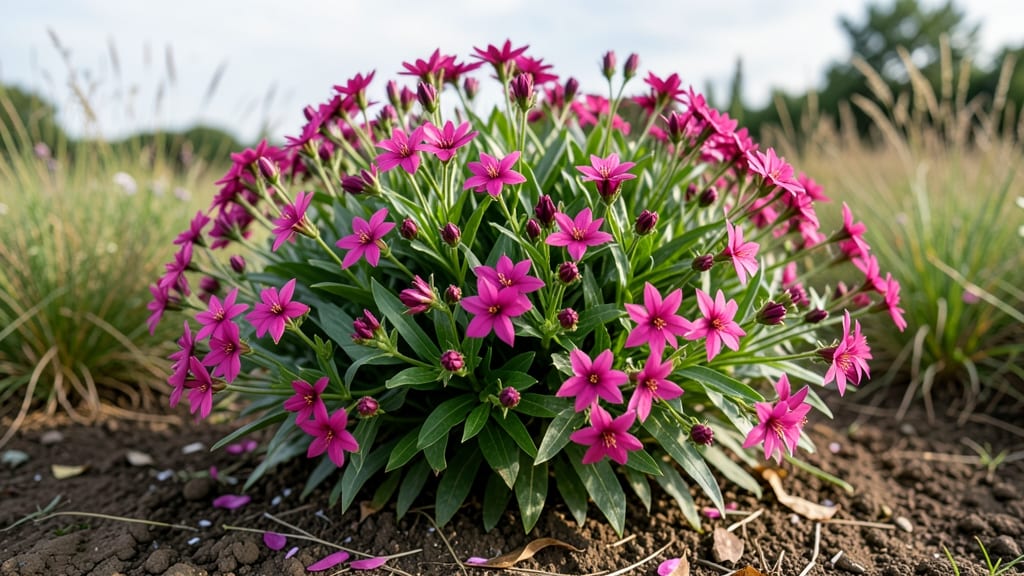
Deciding whether pentas are annual or perennial depends on your climate: they're annuals in cooler regions but perennials in USDA Zones 10-11, where frost-free winters let them regrow yearly with proper care and seasonal trimming.
Whether your pentas live for one season or many depends entirely on where you grow them.
In colder climates, they'll naturally die back with frost, but with the right strategies, you can coax them back to life. 🌱 The key difference comes down to temperature tolerance—perennial pentas in Zones 10-11 have evolved to handle mild winters, while those in cooler areas need protection or replanting each year.
I've found that even in marginal zones, treating them as tender perennials with winter mulch or container moves can sometimes extend their lifespan beyond a single season.
For gardeners in cooler regions, the secret to getting the most from pentas lies in proper seasonal care. Deadheading spent blooms encourages new growth, while saving seeds or taking cuttings before frost can give you a head start on next year's plants.
The right soil prep—well-draining and rich in organic matter—also makes a big difference in how well they bounce back. It's all about working with their natural tendencies while giving them the best possible growing conditions.
💡 In This Article
- Climate Zones Where Pentas Survive as Perennials
- Extending Pentas Lifespan in Cooler Regions
Climate Zones where pentas survive as perennials
The distinction between annual and perennial pentas comes down to their temperature tolerance. Native to tropical regions of Africa and Asia, pentas plants have evolved to thrive in USDA Zones 10-11, where winter temperatures rarely drop below 30°F (-1°C).
In these frost-free climates, pentas naturally regrow each year from their root systems, producing the vibrant star-shaped blooms gardeners love. The key factor here is the plant's ability to maintain active growth during mild winters, with roots staying dormant but viable until spring.
What makes pentas unique is their woody stem base that persists through winter in warm zones. This woody growth acts as a reservoir for stored nutrients, allowing the plant to push out new foliage as soon as temperatures rise above 55°F (13°C).
In contrast, plants in cooler zones (Zones 8 and below) lack this woody structure and die back completely when exposed to frost, which is why they're typically treated as annuals. The difference is similar to how hibiscus behaves—perennial in warm climates but annual in cooler ones.
Gardeners in Zones 9-10 can sometimes coax pentas to behave as perennials with strategic mulching techniques. Applying a 4-6 inch layer of organic mulch (like shredded bark or straw) around the base insulates roots from temperature fluctuations.
This method works because mulch creates a 5-10°F warmer microclimate around the roots, mimicking the natural conditions of their tropical origins. I've seen pentas in Zone 9b (where winters occasionally dip to 25°F (-4°C)) survive multiple years with this protection, though extreme cold events can still cause dieback.
Container growing offers another solution for extending pentas' lifespan in marginal zones. Moving potted plants to sheltered locations (like garages or under eaves) during winter can prevent frost damage. The secret here is monitoring soil temperature—roots stay safe as long as they remain above 32°F (0°C).
In my experience, pentas in containers often outlast their in-ground counterparts because their roots warm up faster in spring, giving them a head start on regrowth. The trade-off is more maintenance, but the payoff is seeing those signature red or pink blooms return year after year.
What most people don't realize is that pentas' perennial behavior isn't just about temperature—it's also about light exposure. In warm climates, pentas receive consistent 6-8 hours of sunlight daily even in winter, which maintains their growth cycle.
In cooler regions, reduced winter light can weaken plants before frost even arrives. This is why gardeners in Zones 8-9 often see better perennial results by placing pentas in south-facing locations where they get maximum winter sunlight exposure.
The combination of warmth and light creates the ideal conditions for perennial growth patterns.
For those pushing the limits in Zone 9, a two-step overwintering strategy works best: first, apply heavy mulch in late fall, then cover the base with burlap or frost cloth during cold snaps.
This double protection has helped my Zone 9a pentas survive winters that occasionally drop to 20°F (-7°C). The key is acting before the first frost—once temperatures plummet, the plant's cells begin to freeze, and even protective measures become less effective.
Timing is everything when it comes to coaxing pentas to behave like perennials in marginal climates.