
Flowers
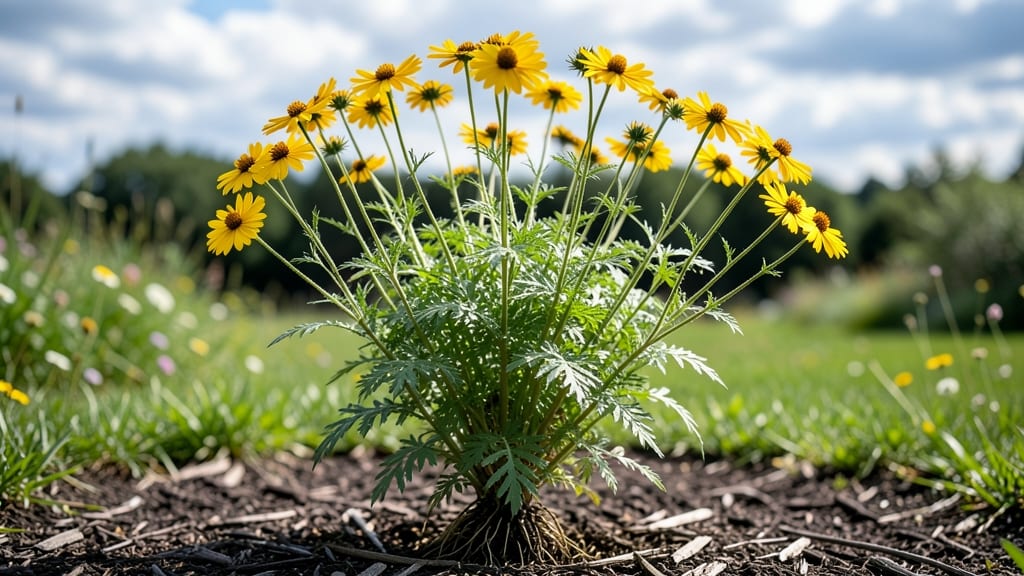
Small perennial yellow flowers thrive in sunlight with minimal care, including coreopsis, black-eyed Susans, and daylilies, which offer vibrant blooms, drought resistance, and long seasonal interest for sunny garden beds.
These cheerful bloomers aren't just pretty—they're built to handle heat and neglect thanks to their deep root systems that store moisture and waxy leaf coatings that reduce water loss. 🌻 Coreopsis, for example, blooms continuously from early summer to frost, while black-eyed Susans produce those iconic daisy-like flowers that attract pollinators for weeks.
I've found that planting them in groups creates stunning golden drifts while requiring less water than annuals, making them perfect for busy gardeners who want color without fuss.
What makes these perennials particularly resilient is their ability to rebound after harsh winters or dry spells. Most varieties handle poor soil surprisingly well, though amending with compost at planting time gives them an extra boost.
The key is proper spacing—typically 12-18 inches apart—to allow airflow and prevent disease while still creating that lush, sunlit meadow effect.
For maximum impact, pair them with other sun-loving perennials like coneflowers or Russian sage. This creates a layered look where the yellow flowers stand out against deeper blues and purples while all plants share similar care requirements.
The best part? These plants multiply over time, giving you free plants to share with neighbors or fill gaps in your garden.
💡 In This Article
- Why These Perennial Yellow Flowers Excel in Sunlight
- Planting and Care Tips for Low-Maintenance Yellow Perennials
Why these perennial yellow flowers excel in sunlight
These sun-loving perennials possess remarkable botanical adaptations that make them thrive where other plants might struggle. Their deep, fibrous root systems—often extending 2-3 feet underground—allow them to access moisture deep in the soil, a critical advantage during dry spells.
Coreopsis, for instance, develops roots that spread horizontally, creating a vast network that stabilizes the plant and collects water efficiently. 🌞 This root structure also helps them withstand wind better than shallow-rooted annuals.
The waxy, often slightly fuzzy leaf surfaces of these flowers act like nature's waterproofing. This cuticle layer reduces water loss through evaporation by up to 40% compared to smooth-leaved plants, while still allowing sufficient gas exchange for photosynthesis.
Black-eyed Susans (Rudbeckia) take this a step further with their rough, textured foliage that reflects sunlight, preventing leaf scorch that would occur in more delicate species. The combination of these adaptations means they can maintain vibrant blooms even when temperatures climb above 90°F.
Sunlight intensity directly affects their bloom duration and color vibrancy through a process called photoperiodism. These perennials are "day-neutral" plants, meaning they flower continuously as long as they receive adequate light—typically 6-8 hours of direct sun daily.
Daylilies (Hemerocallis) are particularly fascinating: their buds open in the morning and close by evening, a rhythmic response to sunlight that ensures they only produce energy when they can photosynthesize most efficiently. The more intense the sunlight, the deeper the yellow pigmentation becomes due to increased carotenoid production.
What's often overlooked is how these flowers manage heat stress through their growth cycles. Many, like coreopsis, produce new blooms from the base rather than just the tips, allowing them to continue flowering even when older stems dry out.
This "prolific branching" habit creates that lush, bushy appearance we love, while also providing more surface area for photosynthesis. The trade-off? They need slightly more space to spread than some might expect—hence the 18-inch spacing recommendation for varieties like 'Moonbeam' coreopsis.
Color retention is another sunlight superpower. The bright yellow hues we adore contain carotenoids that are actually more stable in sunlight than many other flower pigments. While reds and purples can fade under intense UV exposure, these yellow perennials maintain their vibrancy by producing protective compounds that shield their pigments.
This is why they're often the last flowers standing in late-season gardens when other colors have begun to bleach out. 💛
For gardeners in hot climates, this means you can plant these beauties in full sun without worrying about afternoon shade requirements. They'll reward you with continuous blooms from early summer through frost, with some varieties like 'Goldsturm' black-eyed Susan producing flowers for 8-10 weeks straight.
The secret? Their ability to balance water conservation with energy production—something annuals simply can't match over multiple seasons.