
Companion Plants
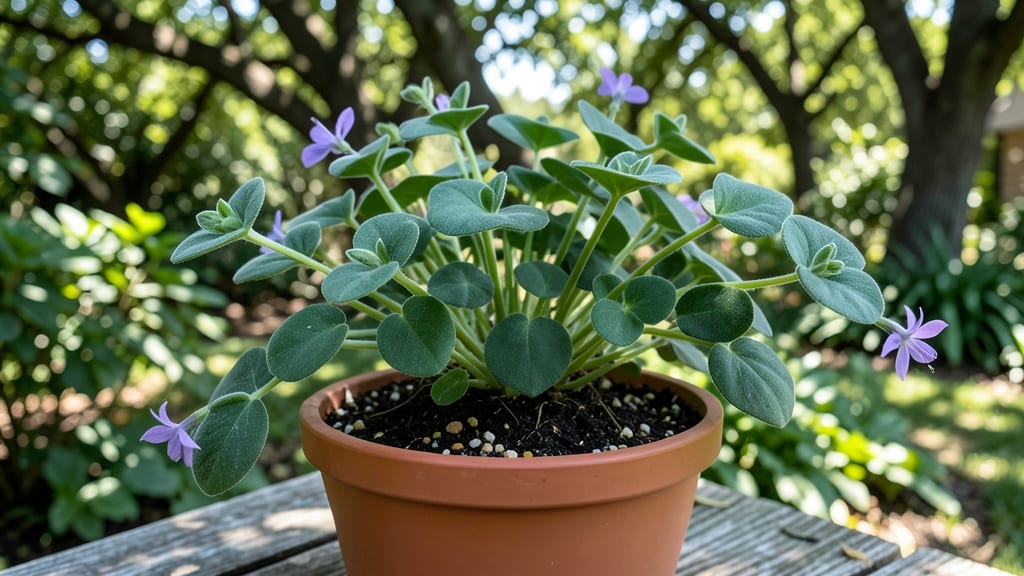
Pigs ear weed spreads aggressively through underground runners, forming dense mats that choke gardens. To remove it without digging, smother with thick cardboard or black plastic for 4-6 weeks, then pull remaining roots by hand or use a vinegar-based herbicide for stubborn patches.
This invasive ground cover thrives by sending out sprawling rhizomes that outcompete desirable plants for sunlight and nutrients. 🌱 The problem? Its rapid growth means traditional digging often fails—roots regrow from even tiny fragments left behind.
I’ve found that smothering works best because it starves the plant by blocking sunlight, while vinegar herbicides break down cell walls in stubborn patches. For large areas, layering cardboard with mulch creates a long-term barrier that prevents regrowth.
What sets pigs ear weed apart is its ability to adapt to different soil types, though it prefers moist conditions. Once established, it forms impenetrable mats that smother lawns and garden beds, making prevention key.
The good news? With consistent smothering or targeted herbicide application, you can reclaim your space without heavy equipment or backbreaking work.
💡 In This Article
- How Pigs Ear Weed Invades Gardens and Landscapes
- Non-Digging Removal Methods for Pigs Ear Weed
How pigs ear weed invades gardens and landscapes
Pigs ear weed spreads through a network of creeping rhizomes—horizontal underground stems that can extend 12-18 inches from the parent plant. Each node along these runners has the potential to sprout new shoots, creating dense colonies that can cover 100+ square feet in a single growing season.
The rhizomes store energy, allowing regrowth even if 90% of the plant is removed, which is why traditional pulling often fails.
This plant thrives in moist, well-drained soils with partial shade, where it outcompetes native ground covers by forming impenetrable mats that block sunlight. Its broad, heart-shaped leaves grow in dense clusters, creating a thick carpet that smothers lawns and garden beds.
The key to its dominance? Its rapid growth rate—up to 6 inches per week under ideal conditions—and ability to tolerate foot traffic, making it nearly impossible to eradicate through casual maintenance.
What makes pigs ear weed particularly problematic is its competitive advantage over desirable plants. Its rhizome system allows it to access water and nutrients more efficiently, while its dense foliage creates a microclimate that suppresses other vegetation.
Unlike annual weeds that die back each winter, pigs ear weed persists year-round in mild climates, continuing to spread even during cooler months.
The plant's resilience extends to its ability to regenerate from fragments as small as 1 inch. This means even well-intentioned gardeners can accidentally spread it by moving soil or compost contaminated with rhizome pieces.
The dense mats also make it difficult for water and nutrients to reach the soil beneath, further degrading garden health over time.
For gardeners, the challenge lies in breaking this cycle before the weed establishes a dominant presence. Early intervention with targeted removal methods is crucial, as mature colonies can take years to fully eliminate.
The plant's preference for disturbed soils—like new garden beds or construction sites—makes prevention particularly important in these areas.
Understanding this growth pattern helps explain why traditional digging often backfires. When you pull or dig up pigs ear weed, you're likely leaving behind rhizome fragments that will simply sprout new plants. This is why smothering techniques, which block sunlight without disturbing the soil, offer a more effective long-term solution.