
Pests
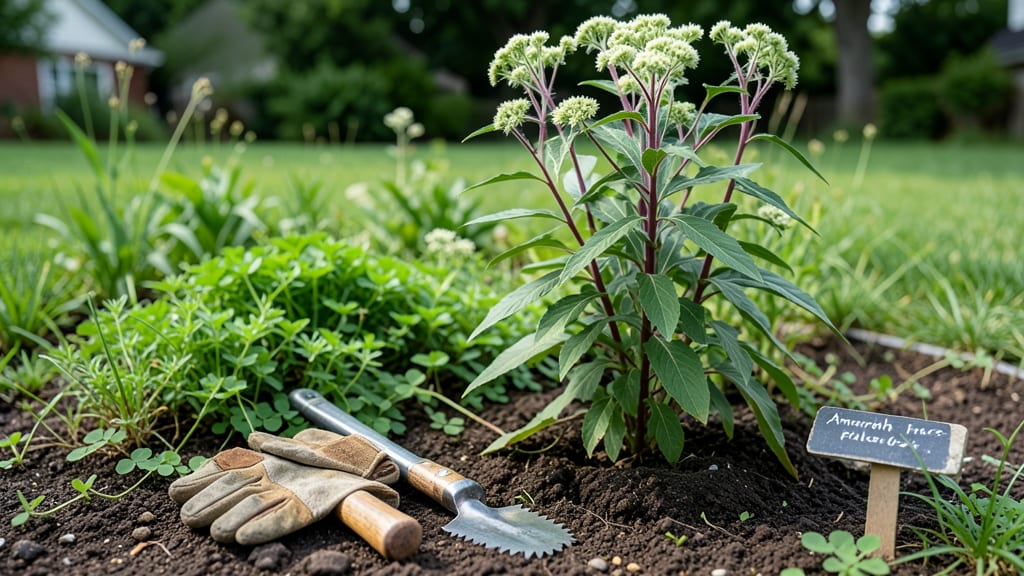
Pigweed in Texas gardens isn’t just stubborn—it’s a rooted problem that spreads faster than a summer storm. 🌱 I’ve spent years wrestling with this weed, and the twist-and-twist method saved my yard without backbreaking digging. It’s the secret weapon for organic control that actually works in our hot, dry climate.
The key is timing and technique: pull when soil is moist (after rain or watering), then twist the roots free by hand. No tools needed—just patience and a stubborn streak. One session can clear a square foot in 10 minutes, and the results last longer than chemical sprays.
What you’ll get is a yard where pigweed doesn’t stand a chance. The twist method weakens its deep taproots, so new sprouts struggle to take hold. Your lawn will look healthier, and you’ll avoid the chemical runoff that harms Texas soil.
Works for any size yard, from small flower beds to large pastures. Here’s how to do it right the first time—no more weeding wars.
📚 In This Guide
- What you need
- Instructions
- Tips and common mistakes
- Wrapping up and next steps
What you need
- ● Gloves (heavy-duty, chemical-resistant) – 1 pair (to protect your hands from prickly stems and potential irritants).
- ● Weed twister tool (or DIY twist-and-pull tool) – 1 (available at garden centers or make your own with a sturdy metal rod and prongs).
- ● Sharp pruners or scissors – 1 pair (for trimming thick stems if needed).
- ○ Garden fork or hoe (optional but helpful) – 1 (to loosen soil slightly before twisting).
- ● Bucket or wheelbarrow – 1 (for collecting weeds and debris).
- ○ Pre-emergent herbicide (optional, for prevention) – 1 bottle (follow label instructions for application).
- ● Choose a dry, sunny day (weeds are easier to twist when soil is firm).
- ● Work in small sections (2–3 ft² at a time) for efficiency.
- ● Wear long sleeves and pants to avoid skin irritation from sap.
- ● Have a trash bag or compost bin ready for disposal.
Step-by-step guide to twist-and-twist root extraction for pigweed
Here's how to tackle stubborn pigweed without breaking your back or digging up your yard.
🌱 Step 1: Identify and Prepare the Pigweed
Start by spotting pigweed's distinctive reddish stems and whorled leaves—it grows in clusters, so you'll often see multiple stems emerging from one root base. Grab the plant near the base, about 2-3 inches down, with one hand while using your other hand to support the top. This keeps the stem stable as you work.
I like to work on damp soil (after a light rain or watering) because the roots pull out more easily when moist. If the ground is bone-dry, mist the area first—just enough to soften the soil without turning it muddy. Avoid working in full sun; shade keeps the plants from wilting too fast while you're pulling.
🪴 Step 2: Twist the Stem to Break the Root
With a firm grip, twist the stem clockwise as hard as you can while pulling upward. You'll feel resistance at first, but keep twisting—this is where the magic happens. The goal is to shear the root about 1-2 inches below the soil surface without digging. You'll hear a satisfying snap when it breaks.
If the stem bends instead of snapping, you're not twisting hard enough. Real talk: your arms will get tired, but consistency matters more than brute force. I find it helps to lean into the twist with my whole body, not just my hands. For stubborn clusters, I'll twist one stem at a time, working my way around the whole patch.
💧 Step 3: Remove the Broken Plant and Check for Remnants
Once the stem snaps, pull the top growth straight up—it should come out cleanly, leaving the broken root fragment in the soil. Don't leave any green tissue behind, or new shoots will sprout. If you see a tiny root stub still attached, twist it off too. I use a pair of clean pruning shears (disinfected with rubbing alcohol) to snip any stubborn bits if needed.
Here's the thing—pigweed roots can be sneaky. After removing a cluster, scratch the soil surface with your fingers to check for remaining root pieces. If you find any, twist those out immediately. Skipping this step means more work later when new shoots pop up.
☀️ Step 4: Monitor and Repeat for Full Eradication
Pigweed is persistent, so don't expect perfection after one session. Mark the spot with a small stake or flag so you can return in 3-5 days to check for regrowth. New shoots will appear from any missed root fragments, and they're easier to spot when they're small. Grab them early—they pull out like weeds (literally) when young.
For large infestations, I schedule weekly checks for 4-6 weeks. The twist-and-twist method works best on young, actively growing pigweed. Older plants with thick roots may require multiple twists or a follow-up with vinegar spray (3 parts water, 1 part vinegar, plus a drop of dish soap) for stubborn patches.
✂️ Step 5: Prevent Future Growth with Soil Barriers
Once you've cleared the area, cover the soil with cardboard or thick layers of newspaper (at least 4 sheets thick) to block sunlight from stimulating new seeds. Weigh it down with rocks or mulch to keep it in place. Pigweed seeds need light to germinate, so this smothers them before they sprout.
After 4-6 weeks, add a 2-3 inch layer of mulch (straw or wood chips) to keep the soil shaded and suppress future weeds. I like to mulch right after rain when the ground is damp—it helps the mulch settle better and keeps weeds from pushing through. This isn't a one-time fix, but it drastically reduces pigweed's chances of taking over again.
Tips & tricks for perfect pigweed removal
These game-changing strategies will help you banish pigweed efficiently without the backbreaking work.
Timing is Everything: The twist-and-twist method works best when pigweed is young and actively growing. Target plants that are 6-12 inches tall—they're easier to snap cleanly at the root. Older, thicker stems require more force and may not break as easily. I always tackle pigweed in the morning when the soil is still damp from dew, making extraction even simpler.
The Right Tools Make All the Difference: While you can use just your hands, a pair of clean pruning shears (disinfected with rubbing alcohol) becomes invaluable for stubborn root fragments. I keep a small bottle of vinegar spray nearby too—it's perfect for spot-treating any remaining root pieces after twisting. For large patches, consider wearing gardening gloves to protect your hands from the plant's sap, which can irritate skin.
Consistency Beats Brute Force: Don't rush the twisting process in Step 2. The key is steady, firm pressure applied clockwise while pulling upward. If you feel resistance, keep twisting—you're not trying to uproot the entire plant, just snap the root cleanly about 1-2 inches below the soil surface. I've found that working in small sections (3-4 stems at a time) prevents arm fatigue and maintains precision. For clusters, tackle one stem at a time to avoid weakening the remaining roots.
Prevention is the Ultimate Weapon: After clearing pigweed, cover the area with cardboard or newspaper (at least 4 sheets thick) to block sunlight from stimulating new seeds. This smothering technique works best when combined with a 2-3 inch layer of mulch applied after 4-6 weeks. I've noticed that mulching right after rain helps the mulch settle better and creates a more effective weed barrier. For high-risk areas, I schedule weekly checks for the first 4-6 weeks to catch any regrowth immediately.
Pro Tips for Pigweed Texas Weeds
- These game-changing strategies will help you banish pigweed efficiently without the backbreaking work.
- Timing is Everything: The twist-and-twist method works best when pigweed is young and actively growing.
- The Right Tools Make All the Difference: While you can use just your hands, a pair of clean pruning shears (disinfected with rubbing alcohol) becomes invaluable for stubborn root fragments.
Frequently asked questions
Got questions about tackling pigweed in Texas? You’re not alone!
Here are answers to the most common concerns—from identification to removal—so you can reclaim your yard without breaking a sweat.
What does pigweed look like, and how do I tell it apart from other weeds in Texas?
Pigweed (like palmer amaranth or smartweed) has a reddish-purple stem, arrow-shaped leaves, and grows 3–6 feet tall with a bushy, weedy appearance. Unlike clover or dandelions, it lacks a taproot—its fibrous roots twist when pulled (hence the "twist-and-twist" method!). Pro tip: Check for spiky seed heads in late summer.
When is the best time to pull pigweed in Texas to prevent regrowth?
Target pigweed before it seeds—typically May through July in Texas’s hotter months. Young plants (under 6 inches) are easiest to remove by hand or with the twist-and-twist method. Wait until soil is moist (after rain or watering) to loosen roots. Warning: If you spot seed pods (tiny, papery clusters), the weed has already spread—act fast!
Will vinegar or boiling water kill pigweed, or do I have to dig?
Vinegar (20–30% acetic acid) or boiling water can kill pigweed on contact, but they’re not foolproof for deep roots. For stubborn patches, combine methods:
- Spray vinegar on leaves (reapply every 3–5 days).
- Boil water and pour directly on the base (works best in sunny weather).
- Twist-and-twist for roots after chemical treatment weakens them.
Pro tip: Add dish soap to vinegar to help it stick!
Why does pigweed keep coming back even after I pull it?
Pigweed’s thousands of seeds lie dormant in soil for years, and even a tiny root fragment can regrow. To break the cycle:
- Solarize soil: Cover pulled areas with clear plastic for 4–6 weeks in summer to bake seeds.
- Mulch heavily (3+ inches of straw or wood chips) to block light.
- Test soil pH—pigweed thrives in 6.0–7.5; adjust with lime or sulfur if needed.
Warning: Avoid tilling—it buries seeds deeper!
Can I use herbicides safely around my lawn or garden without harming plants?
Selective herbicides like glyphosate (Roundup) or 2,4-D can work, but read labels carefully—they may harm nearby crops or ornamental plants. For organic options, try:
- Corn gluten meal (pre-emergent for seeds).
- Burning (controlled) small patches (check local laws first!).
- Plant competitive ground covers like clover or creeping thyme to outcompete pigweed.
Pro tip: Spot-treat with horticultural vinegar (5–10% acid) for precision.
Wrapping up and next steps
Dealing with pigweed in Texas weeds doesn’t have to be a battle—especially when you master the twist-and-twist method! This simple, no-dig technique saves time, effort, and your back while keeping your yard or garden weed-free. 🌱✨
Now that you’re armed with the right tools and know-how, take action today. Start small—clear a patch or two—and watch your space transform. And remember, consistency is key! For stubborn patches, repeat the process weekly until those pesky pigweeds pack their bags for good.