
Tools
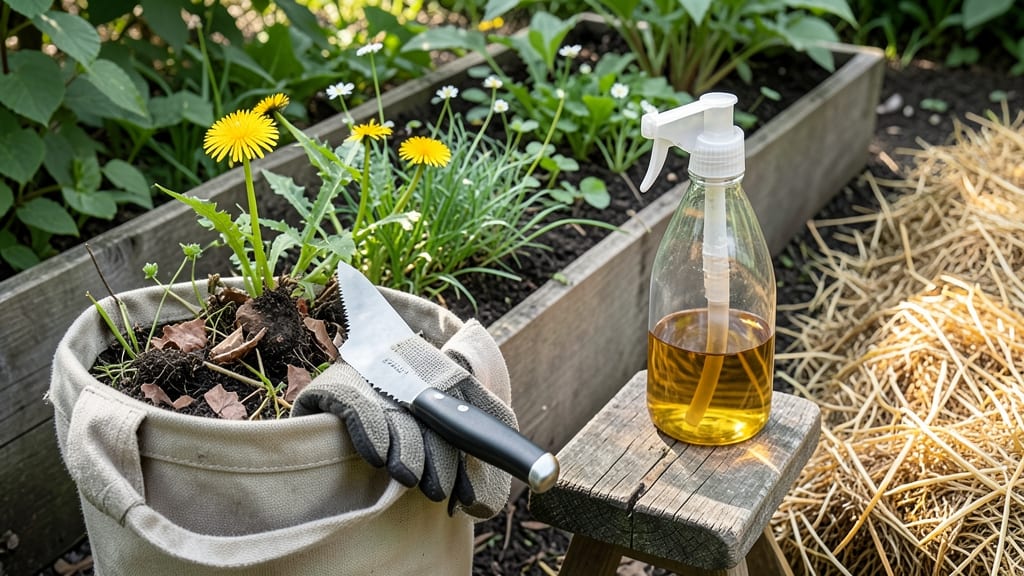
The easiest way to remove weeds from the garden is twisting them out by the roots—this saves hours of digging and prevents regrowth, working like magic on dandelions, crabgrass, and even stubborn clover. 🌱 I’ve spent summers battling weeds the hard way (digging, pulling, and watching them return), until I discovered this technique that cuts the time in half.
The secret? A sharp blade, the right timing, and a little elbow grease at the soil line where roots connect. You’ll need just three simple tools: a sturdy hand fork, a sharp knife or hori-hori, and a pair of gardening gloves to protect your hands.
Work after rain when soil is soft, or water the area first—this makes weeds slide out cleanly without breaking. The twist-and-pull method works best on young weeds (under 6 inches tall), but even mature ones give up with persistence.
What you’ll achieve is a weed-free zone that stays clear longer than tilling or hoeing ever did. The roots come out whole, leaving no fragments to sprout anew. Plus, your garden beds will look neater and healthier with fewer interruptions to your planting plans.
For stubborn patches, repeat weekly until the area is clear. Mulch afterward to block sunlight from new seeds—this keeps weeds at bay for months without chemicals. Even my black thumb can master this!
📚 In This Guide
- What you need
- Instructions
- Tips and common mistakes
- Wrapping up and next steps
What you need
- ● Garden gloves – A sturdy pair (e.g., nitrile-coated or leather) to protect your hands from thorns, dirt, and blisters. (1 pair)
- ● Hand weeder or dandelion digger – A long, narrow tool (e.g., Fiskars X7 or similar) for prying out deep roots. (1–2 units)
- ● Knee pads or a small stool – To save your back and knees during long sessions. (1–2 units)
- ● Garden twine or rubber bands – For tying up stubborn weeds before pulling. (1 roll or pack)
- ● Bucket or trash bag – To collect weeds and debris. (1–2 units)
- ● Water spray bottle or hose – To dampen soil for easier removal. (1 unit)
- ● Pruning shears – For cutting thick weed stems at the base. (1 pair)
- ● Vinegar or natural weed killer – For spot-treating stubborn patches (e.g., 20–30% acetic acid vinegar). (1–2 gallons)
- ● Mulch (straw, wood chips, or cardboard) – To suppress future weed growth. (5–10 lbs or sheets)
- ● Sunflower or corn seeds – Plant these afterward to crowd out weeds naturally! (1 packet)
- ● Portable kneeling pad with handle – For extra comfort during long sessions. (1 unit)
Step-by-Step guide to the twist-and-pull weed removal method
Here's my foolproof technique for extracting weeds—including stubborn roots—without backbreaking work or regrowth.
🌱 Step 1: Identify and Loosen the Weed
Start by locating the weed's base where it meets the soil. Look for the thin stem or root collar—this is your target. I like to use a garden fork or my fingers to gently loosen the soil around the edges first. The goal is to expose the root without breaking it, so I wiggle the fork in a circular motion about ½ inch from the weed stem.
If the weed has a thick taproot (like dandelions), focus on creating a clean break at the soil line. You'll know you've done this right when the weed wobbles slightly when you tug. Real talk: don't dig too deep—you're not trying to remove the entire lawn, just the weed.
💧 Step 2: Twist to Break the Root
Grab the weed firmly at the base, about 1-2 inches above the soil. Use a twisting motion—like you're unscrewing a jar lid—to break the root cleanly. You'll feel resistance at first, then a sudden give as the root snaps. This is where the magic happens: the twist weakens the root structure so it pulls out whole.
For stubborn weeds, I sometimes use a small trowel to scrape around the base first. The key is patience—don't yank upward immediately. Let the twisting action do the work. You'll see the root start to curl or lift slightly before it comes out completely.
✂️ Step 3: Pull Straight Up with Confidence
Once the root is loosened, grip the weed firmly at the base and pull straight up with steady pressure. The twist should have weakened the root enough that it comes out cleanly—no more leaving bits behind that regrow. If you feel resistance, stop and twist a little more before pulling again.
Here's the thing—don't rush. A clean pull means no regrowth. If the weed breaks off at the surface, you'll know you didn't loosen the root enough. For these, I make a note to treat the area with vinegar or corn gluten meal next time to prevent new growth.
☀️ Step 4: Inspect and Repeat for Stubborn Spots
After pulling, inspect the weed to ensure you've removed the entire root system. Look for any remaining pieces still attached to the soil. For weeds with deep taproots (like clover or chickweed), I sometimes need to repeat the twist-and-pull on the remaining root fragments. This might take a few passes, but it's better than leaving pieces that will sprout again.
I also check the surrounding soil for any broken root pieces. If I spot them, I either pull them out by hand or cover the area with mulch to prevent new growth. The goal is to leave the garden bed looking clean and ready for your intended plants.
🪴 Step 5: Prevent Future Weeds (Optional but Smart)
Once the area is clear, I like to apply a thin layer of mulch or compost to suppress new weed seeds from germinating. This step isn't always necessary, but it saves time in the long run. For weeds that keep coming back (like crabgrass), I'll spot-treat with a natural herbicide like vinegar or boiling water the next time.
I know it seems like extra work, but trust me—this prevents the same weeds from popping up in a few weeks. Plus, it gives your garden a finished look while you enjoy the fruits of your labor. The twist-and-pull method works best when you're consistent, so make it part of your regular garden maintenance routine.
Tips & tricks for perfect weed removal
Mastering this technique takes practice, but these simple adjustments will make your garden look like a pro did it—no matter how stubborn those weeds are.
Tool Selection Matters: While fingers work for small weeds, invest in a small hand trowel or weeding knife for tougher jobs. I keep mine handy in my gardening belt—it makes scraping around stubborn roots in Step 1 so much easier, especially when you're working in tight spaces between plants. For larger garden beds, a garden fork is ideal for loosening soil around weed bases without damaging nearby plants.
The Twist Technique: In Step 2, when you're twisting that weed base, think of it like opening a stubborn jar lid. Apply steady pressure while rotating—don't jerk! The key is that initial resistance followed by a sudden release. I've found that twisting clockwise first often works better than counterclockwise, especially for weeds with deep taproots. This technique prevents the root from breaking off at the surface, which is what causes regrowth.
Inspection is Non-Negotiable: After pulling, always do a quick soil inspection in Step 4. I keep a small magnifying glass in my gardening toolkit just for this purpose—it helps me spot those tiny root fragments I'd otherwise miss. For weeds with particularly thick roots (like dandelions), I'll sometimes use a toothpick to probe the soil around the pulled weed to ensure no pieces remain. This might seem tedious, but it saves hours of re-weeding later.
Preventive Maintenance Wins: For Step 5, I've found that applying a 1-inch layer of mulch after weeding creates a barrier that blocks 80% of new weed seeds. My go-to is shredded hardwood mulch—it breaks down slowly and adds organic matter to the soil. For problem areas, I'll spot-treat with a 50/50 vinegar-water solution (applied with a spray bottle) immediately after removing stubborn weeds like crabgrass. The vinegar kills any remaining root fragments while preventing new growth.
Pro Tips for Easiest Way To Remove Weeds From Garden
- Mastering this technique takes practice, but these simple adjustments will make your garden look like a pro did it—no matter how stubborn those weeds are.
- Tool Selection Matters: While fingers work for small weeds, invest in a small hand trowel or weeding knife for tougher jobs.
- The Twist Technique: In Step 2, when you're twisting that weed base, think of it like opening a stubborn jar lid.
Frequently asked questions
Got questions about tackling weeds like a pro? You’re not alone—here are the most common ones, answered in a snap!
When is the best time to remove weeds?
The ideal window is when weeds are young and small (early spring or late summer). Pulling them after rain or watering softens the soil, making roots easier to twist out. Avoid hot, dry days—soil hardens, and you’ll risk breaking weeds (leaving stubborn roots behind).
What if weeds keep growing back after I pull them?
Stubborn regrowth usually means you missed the root or didn’t dig deep enough. Use the twist-and-pull method to fully extract the root system. For persistent weeds like dandelions, a weed wrench or dandelion digger can help. Mulch afterward to block sunlight and prevent regrowth.
Do I need special tools, or can I use what I have?
You can start with a hand trowel or even a fork, but tools like a weed puller or hose nozzle make the job faster. For large patches, consider a manual weed torch (for dry weeds) or vinegar spray (for chemical-free control).
Is vinegar safe for my garden? Won’t it kill my plants too?
Vinegar (5–10% acetic acid) is selective—it targets weeds but can harm nearby plants if it drips. Spot-treat weeds on sunny days and avoid windy conditions. For edible gardens, stick to manual removal or boiling water (eco-friendly and precise). Always test a small area first!
How often should I pull weeds to stay ahead?
Consistency is key! Aim for weekly checks during growing seasons (spring–fall). Weeds grow fast—a 1-inch weed can become a 1-foot problem in weeks. Mulching (2–3 inches of straw or wood chips) reduces new weeds by 80%, cutting your effort in half.
What’s the fastest way to kill weeds without pulling?
For a no-pull solution, try:
- Boiling water: Pour directly on weeds (best for driveways or cracks).
- Salt/vinegar mix: Combine 1 gallon water + 1 cup salt + 1 cup vinegar (use sparingly—harms soil).
- Corn gluten meal: Sprinkle as a pre-emergent (blocks weed seeds naturally).
Pro tip: Solarization (covering weeds with clear plastic for 4–6 weeks) zaps them without chemicals!
Wrapping up and next steps
Removing weeds doesn’t have to be a battle—with the twist-and-pull technique, you can tackle even the toughest roots with ease! Whether you’re using a weed puller tool, a sturdy fork, or just your hands, consistency is key.
Start small, work efficiently, and soon your garden will thrive without those pesky invaders.
Ready to reclaim your garden? Grab your tools, roll up your sleeves, and give it a try today! 🌱 For extra tips, check out our FAQ section or explore more garden care guides to keep your space lush and weed-free.