
Planting
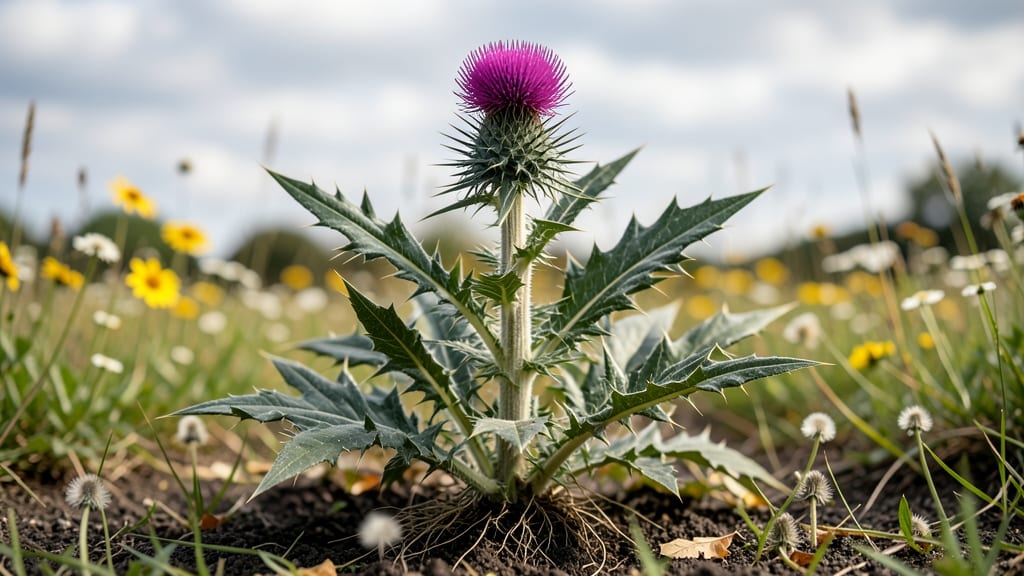
Identifying and removing prickly pear weed plants requires targeting their flat, oval pads with yellow flowers and deep root systems. Pull weeds when soil is damp, cut roots with a spade, and apply vinegar or salt solutions to prevent regrowth naturally.
These invasive plants thrive in sunny areas and can quickly take over gardens or landscapes. 🌱 The key to controlling them lies in their root system—if you miss even a small piece, it can regrow into a full plant.
I’ve found that combining physical removal with natural herbicides like vinegar (1 part vinegar to 1 part water) works best for stubborn patches. Always wear gloves when handling them, as those spines pack a punch!
For best results, tackle them in early spring when the soil is soft and roots are easier to extract. If you notice yellow flowers appearing, that’s your signal to act fast—they’ll soon drop seeds that create new plants.
Some gardeners swear by smothering the area with thick mulch or cardboard to starve out the roots over time.
💡 In This Article
- How to Identify Prickly Pear Weed by Leaf and Root Structure
- Natural Prickly Pear Weed Removal Methods Compared
How to identify prickly pear weed by leaf and root structure
The prickly pear weed's most distinctive feature is its flat, oval pads that grow in clusters, typically measuring 3-8 inches long and 2-4 inches wide.
These pads have a blue-green hue with a slightly waxy texture, and their edges are lined with clusters of yellow to brown spines that can reach up to 1 inch long.
Unlike edible cacti, these spines are hollow and brittle, making them more likely to break off when touched—often embedding themselves in skin or clothing. 🌵
Beneath the surface, the root system is what makes this weed so persistent. Prickly pear weeds develop deep, extensive root networks that can spread 3-5 feet wide and 2-3 feet deep, allowing them to regenerate from even small fragments.
The roots are tuberous—thickened and storage-rich—which is why cutting them requires precision. In contrast, ornamental cacti like the barrel cactus have shallow, fibrous roots, making them easier to remove completely. The key difference lies in the root structure: weeds have these thick, storage roots, while cultivated cacti don’t.
Seasonal growth provides another clue for identification. In spring and summer, prickly pear weeds produce bright yellow flowers that bloom at the top of the pads, followed by red or pink fruit (the prickly pears we sometimes eat).
These flowers appear in clusters of 3-5 blooms per pad, and their vibrant color makes them stand out against the blue-green pads. 🌼 This flowering phase is a clear sign of active growth—perfect timing for removal before seeds spread.
In contrast, edible cacti like the nopales (paddles) usually have paler green pads and fewer spines.
One common mistake is confusing prickly pear weeds with agave plants, which also have thick, spiny leaves. However, agave leaves are sword-shaped and curved, while prickly pear pads are flat and oval.
Additionally, agave plants produce large, dramatic flower stalks that can reach 10 feet tall, whereas prickly pear weeds stay low to the ground. If you’re unsure, check the base of the plant: prickly pear weeds have no visible trunk, while agave has a thick, woody stem.
For gardeners dealing with these weeds, early identification is critical. Look for the clusters of pads growing close to the ground, the yellow flowers in spring, and the deep root system when digging.
If you spot these traits, act quickly—prickly pear weeds can double their spread in just one growing season if left unchecked. The sooner you remove them, the easier it is to prevent their aggressive takeover of your garden. 🌱