
Plants
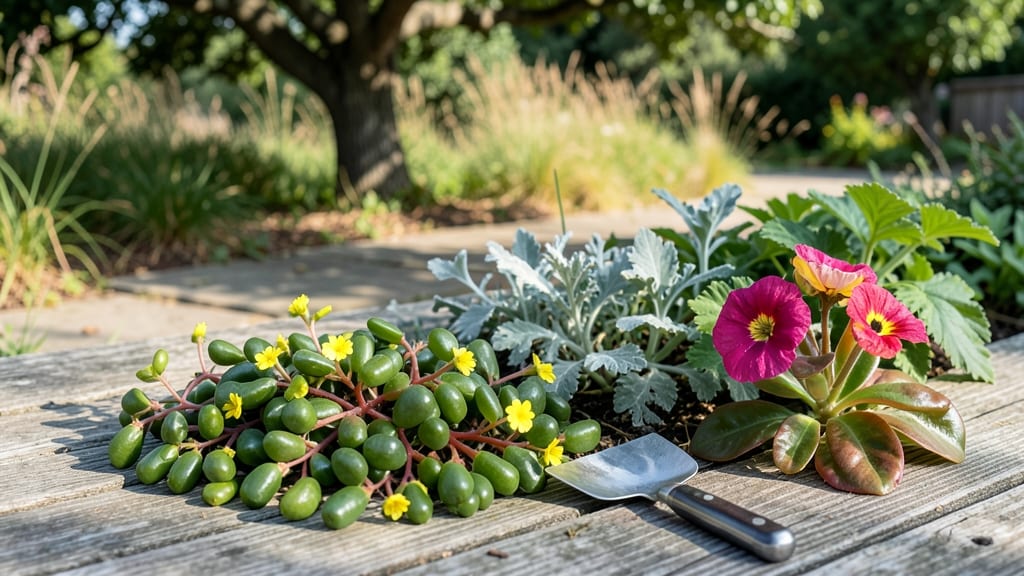
One wrong leaf could turn your dinner into a dangerous mistake—the purslane weed look-alike includes both edible and toxic plants that mimic its thick, succulent shape. 🌱 I've spent years sorting through garden patches, and the key differences between purslane and its doppelgängers come down to leaf arrangement, stem texture, and that all-important taste test.
The wrong ID could mean losing a prized herb or accidentally poisoning your family.
Purslane's signature flat, spoon-shaped leaves grow in pairs along the stem, while its toxic twin, common orache, has a more triangular shape and a bitter taste. Portulaca oleracea (true purslane) stays low to the ground, rarely exceeding 6 inches tall, whereas spiny amaranth shoots up like a weed and sports jagged edges.
The real game-changer? Touch the leaves—purslane feels smooth and slightly waxy, while many look-alikes have rough or hairy textures.
When in doubt, start with the taste: purslane has a mild, slightly tangy flavor, while toxic look-alikes leave a bitter or soapy aftertaste. If you're growing in containers, this distinction becomes even more critical—one wrong plant can ruin an entire harvest.
A quick soil test can also help: purslane thrives in sandy, well-draining soil, while many weeds prefer dense, compacted earth.
For gardeners dealing with unwanted look-alikes, hand-pulling in early spring works best before seeds spread. If you're harvesting purslane, grab it from the base to avoid breaking stems and leaving regrowth.
And remember—when harvesting wild purslane, never pick from roadsides or sprayed areas—the safest bet is plants you've grown yourself or sourced from trusted organic farms.
📚 In This Guide
- What you need
- Instructions
- Tips and common mistakes
- Wrapping up and next steps
What you need
- ● Handheld magnifying glass – For inspecting fine details like leaf texture, veins, and stem patterns.
- ● Small pruning shears or scissors – To snip samples without damaging the plant (sterilized with rubbing alcohol if reusing).
- ● Field guidebook or smartphone with a plant ID app (e.g., iNaturalist, PlantNet, or PictureThis).
- ● Notebook & pen – To jot down observations like leaf shape, color, and growth habits.
- ○ Plastic gloves (optional but recommended) – Protects hands from sap, dirt, or potential irritants.
- ● Small plastic bags or containers – For collecting samples (label them clearly!).
- ● Ruler or measuring tape – To note leaf/stem lengths (e.g., purslane leaves are thick, succulent, and 1–2 inches long).
- ● Camera with macro mode – Capture close-ups of leaf undersides, stems, and flowers.
- ● pH test kit (for soil) – Purslane thrives in alkaline soil (pH 6.0–8.0); toxic look-alikes may prefer acidic conditions.
- ● Tasting-safe sample (if 100% certain of edibility!) – A tiny, cooked bite of purslane can confirm its mild, lemony flavor.
- ● Local gardening forum or expert contact – When in doubt, ask the pros!
How to distinguish purslane from toxic look-alikes leaf by leaf
Here's the foolproof method I use to avoid accidental poisoning when foraging or weeding—no guesswork, just clear visual cues.
🌿 Step 1: Examine Leaf Arrangement and Stem Structure
Purslane's signature trait is its prostrate, succulent stems that sprawl along the ground. Run your fingers along the stem—you'll feel a slightly waxy, thick texture. The leaves grow in a spiral pattern along the stem, never in opposite pairs like many toxic look-alikes.
Look for reddish or yellowish stems as another key indicator. Toxic plants like lambsquarters or pigweed have stems that feel hollow when pinched and leaves arranged in a more uniform, alternating pattern. That hollow feel is your first warning sign to walk away.
🌱 Step 2: Check Leaf Shape and Juiciness
Purslane leaves are thick, fleshy, and oval-shaped, almost like tiny spoons. Pinch one gently—it should feel juicy and slightly sticky when broken. The edges are smooth, never lobed or jagged. Hold a leaf up to sunlight and look for tiny translucent dots along the edges—these are salt glands, a dead giveaway for purslane.
Toxic look-alikes like Portulaca oleracea varieties (which are actually edible) can be confused with poisonous plants, but their leaves will feel dry or papery when pinched. If the leaf collapses when you release it, it's not purslane. Also, purslane leaves never have visible veins—they're uniformly green with no white or yellow streaking.
💧 Step 3: Test the Taste and Smell
Here's where it gets definitive: rub a small leaf between your fingers and smell it. Purslane has a slightly salty, fresh spinach aroma. If it smells bitter, soapy, or fishy, drop it immediately. Next, take a tiny bite—purslane tastes mildly tangy with a hint of lemon, almost like a cross between cucumber and lettuce.
If the leaf tastes peppery, metallic, or leaves a numbing sensation, you've got a toxic look-alike. I always test a leaf in my mouth before adding it to a salad—this step saves more than a few questionable meals. Remember, purslane's flavor intensifies when cooked, so raw samples taste milder.
☀️ Step 4: Observe Growth Habit and Location
Purslane thrives in full sun and poor, sandy soil—it's the ultimate survivor in cracked pavement or disturbed earth. Look for plants growing in clusters or mats rather than upright stalks. Toxic plants like Sedum species (stonecrop) grow in more compact rosettes and have thicker, waxier leaves that don't sprawl.
Check the soil where the plant grows: purslane prefers dry, well-drained spots. If the plant is growing in moist, shady areas or has deep taproots, it's likely a toxic look-alike. I've found that purslane rarely grows taller than 6 inches—anything taller with similar leaves is probably not edible.
✂️ Step 5: Perform the Final Visual Confirmation
Gather a small sample of leaves and compare them side-by-side with known purslane. Look for tiny yellow flowers that bloom in the evening—this is a dead giveaway. The flowers are 5-petaled and bright yellow, though they close quickly when touched. Toxic plants rarely have such distinctive flowers.
If you're still unsure, take a photo and compare it to reliable sources like the USDA Plants Database or local foraging groups. I always keep a reference sample in my fridge for quick comparison. When in doubt, err on the side of caution—there are plenty of edible alternatives that won't risk your health.
Tips & tricks for identifying purslane safely
These practical insights will help you confidently distinguish edible purslane from dangerous look-alikes every time you forage.
The Stem Texture Test: In Step 1, when examining stems, pay special attention to how they feel when pinched. Purslane stems should be solid and slightly waxy, never hollow. I've found that toxic plants like pigweed often have stems that collapse when pressed—this hollow feeling is your first red flag. If you're unsure, gently scrape the stem with your fingernail; purslane leaves a faint white residue from its waxy coating.
Leaf Juiciness is Non-Negotiable: During Step 2, when checking leaf texture, remember that purslane leaves should feel plump and slightly sticky when broken. If a leaf feels dry or papery, it's not edible. I once mistook a dry leaf for purslane and nearly added it to a salad—only the taste test saved me. For a quick check, hold the leaf between your fingers and give it a gentle squeeze; genuine purslane will resist collapsing completely.
Taste Test Protocol: Step 3's taste test is your final safety net, but there's a method to it. Start with the smell—purslane should have a clean, slightly salty aroma. If you detect any bitterness, soapiness, or fishy notes, discard immediately. For the taste test, take a tiny bite from the leaf's center (avoid edges which can be more bitter). The flavor should be mild and refreshing, not sharp or metallic. I keep a small container of water nearby to rinse my mouth between tests.
Growth Habit Clues: When observing growth patterns in Step 4, focus on how the plant sprawls. Purslane forms dense mats along the ground, while toxic look-alikes often grow in more upright formations. I've noticed that genuine purslane rarely exceeds 6 inches in height—anything taller with similar leaves is likely a different species. Also, check the soil: purslane thrives in dry, sandy areas, while toxic plants often prefer moist, shaded spots.
Pro Tips for Purslane Weed Look Alike
- These practical insights will help you confidently distinguish edible purslane from dangerous look-alikes every time you forage.
- The Stem Texture Test: In Step 1, when examining stems, pay special attention to how they feel when pinched.
- Leaf Juiciness is Non-Negotiable: During Step 2, when checking leaf texture, remember that purslane leaves should feel plump and slightly sticky when broken.
Frequently asked questions
Got questions about identifying purslane and its look-alikes? You’re not alone!
Here are some of the most common concerns—and answers—to help you navigate the edible vs. toxic showdown with confidence.
Can I eat purslane if it has a slightly bitter taste?
Purslane’s natural flavor can range from mild to slightly bitter, especially if harvested later in the season. While bitterness alone isn’t dangerous, always cross-check with visual ID (succulent leaves, red-tinged stems, and tiny yellow flowers). If in doubt, avoid it—bitter plants like lamb’s quarters (edible) can mask toxic doppelgängers like pokeweed.
What’s the best time of day to harvest purslane for accurate ID?
Morning is ideal! Purslane’s leaves are most plump and vibrant after a night’s hydration, making it easier to spot key traits (like the distinctive red stems). Avoid harvesting after rain or extreme heat—stressed plants may wilt, obscuring details. Pro tip: Use a magnifying glass to check for tiny hairs (purslane has none) or milky sap (a red flag for toxic look-alikes).
Is there a quick field test to rule out toxic look-alikes?
Yes! The “Squeeze Test” works for many toxic mimics:
- Purslane: Juicy, no sap, and crunchy when bitten (like watermelon rind).
- Toxic suspects (e.g., solanum or nightshade): Milky or yellowish sap, sticky stems, or a potato-like smell when crushed.
What’s a safe alternative if I can’t find purslane?
No problem! Try these nutrient-packed purslane substitutes:
- Lamb’s quarters: Similar omega-3s, but cook young leaves (raw can be slimy).
- Dandelion greens: Bitter but versatile; harvest before flowering.
- Amaranth: Edible leaves and seeds; avoid if stems are woody.
- Store-bought greens: Baby spinach or arugula mimic purslane’s peppery kick.
Why does my “purslane” turn yellow and die after picking?
This could signal three common issues:
- Overharvesting: Purslane is resilient but not indestructible. Leave at least 2–3 inches of stem to regrow.
- Pests: Aphids or slugs love purslane. Handpick pests or use neem oil.
- Toxic mimic confusion: If leaves yellow and wilt rapidly, you might’ve harvested something like bindweed (toxic in large amounts). Double-check ID!
Wrapping up and next steps
Identifying edible purslane from toxic look-alikes is all about close inspection and confidence—no guesswork! 🌱 Remember, purslane’s succulent, yellow-tipped leaves and sprawling growth habit set it apart from dangerous doppelgängers like pokeweed or water hemlock. When in doubt, skip it—your safety matters more than a potential meal.
Now that you’re armed with knowledge, why not put it to the test? Head outdoors, grab a magnifying glass, and hunt for purslane in your garden or local green spaces. Share your finds (and photos!) with fellow plant enthusiasts—learning together makes it even more fun! 🌿