
Flowers
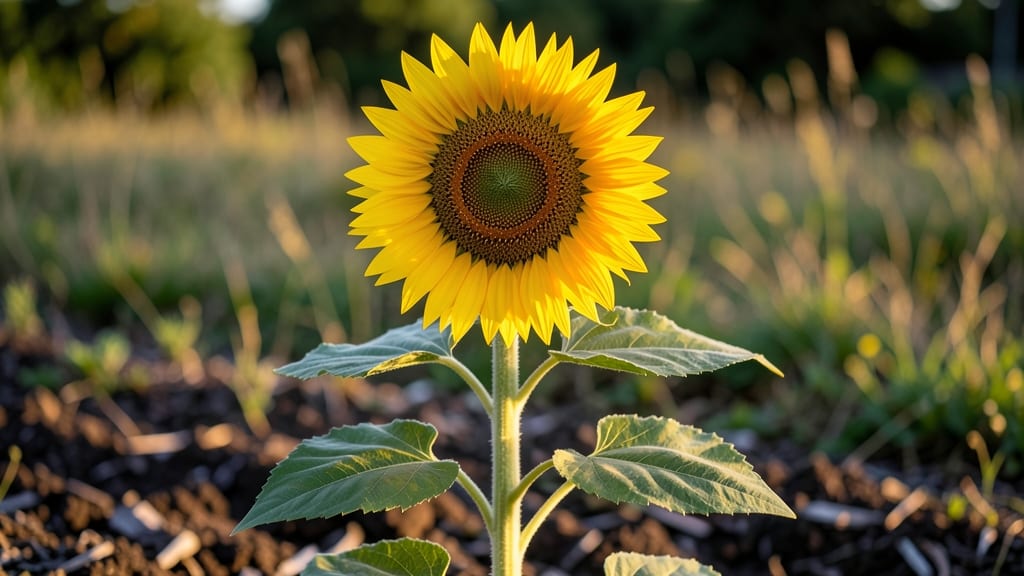
Sunfinity sunflowers are annuals, not perennials, completing their life cycle in one growing season and requiring yearly replanting for continuous blooms. Their frost sensitivity and focus on seed production after flowering explain why they don't return annually.
Sunfinity sunflowers thrive as annuals because their energy shifts dramatically after flowering—prioritizing seed production over root survival. 🌻 Unlike true perennials, they can't withstand winter frosts, which kill their tops and underground structures.
This makes them perfect for summer gardens but requires replanting each spring. The trade-off? Their stunning vase life and drought tolerance make them worth the yearly commitment.
For gardeners wanting to maximize their seasonal display, focus on planting timing—early spring after the last frost—and deadheading spent blooms to encourage more flowers. Pairing them with companion plants like marigolds can also deter pests and extend their bloom period naturally.
💡 In This Article
- Why Sunfinity Sunflowers Die After One Season
- Extending Sunfinity Sunflower Blooms in Your Garden
Why Sunfinity sunflowers die after one season
Sunfinity sunflowers follow a strict annual life cycle because their biology prioritizes reproduction over survival. Once they reach maturity—typically 60-90 days after planting—they allocate nearly all their energy to producing seeds, leaving little reserve for root or stem regrowth.
This shift is triggered by day length and temperature cues, signaling the plant that winter is coming. Unlike perennial sunflowers (like the wild Helianthus annuus), which store energy in thick taproots to survive frost, Sunfinity varieties focus entirely on seed production before dying back.
The frost sensitivity of Sunfinity sunflowers is their Achilles' heel. Even a light freeze (28°F) can kill the tops, and temperatures below 15°F will damage the roots, preventing regrowth.
Their native relatives in the wild have evolved to regenerate from roots, but Sunfinity's hybrid breeding prioritized traits like uniform height (4-5 feet) and long vase life over cold hardiness. This makes them ideal for summer gardens but requires replanting each spring. 🌱
Here's the key difference: perennial sunflowers like Helianthus tuberosus (Jerusalem artichoke) produce edible tubers that store starches for regrowth, while Sunfinity varieties don't develop these storage structures. Their roots remain fibrous and short-lived, designed only to anchor the plant during its single growing season.
Even if you leave the roots in the ground over winter, they won't survive to sprout again—this is why gardeners often see them treated as annuals despite their wild relatives' perennial nature.
What most gardeners don't realize is how this life cycle actually benefits the plant's survival strategy. By producing thousands of seeds, Sunfinity sunflowers ensure genetic diversity and future generations. Each seed contains enough energy to germinate the following spring, provided soil temperatures reach 55-60°F.
This "bet-hedging" approach—prioritizing quantity over quality in offspring—is a common trait among annuals in unpredictable environments. The trade-off? You get stunning summer blooms, but the plant itself is a one-and-done investment.
For comparison, consider how a true perennial like the black-eyed Susan (Rudbeckia hirta) behaves: it sends up new shoots from the same root system year after year. Sunfinity sunflowers, however, lack this ability because their energy is entirely redirected to seed production after flowering.
This biological focus explains why you'll never see Sunfinity sunflowers returning naturally—it's not just about frost, but about the plant's fundamental growth strategy. 💡
The good news? This annual nature makes them incredibly predictable for gardeners. Since they don't persist unwantedly, they're perfect for container growing or areas where you want controlled, seasonal color.
Their short-lived roots also mean they're easier to remove at season's end, reducing garden maintenance compared to perennials that might self-seed aggressively.