
Planting
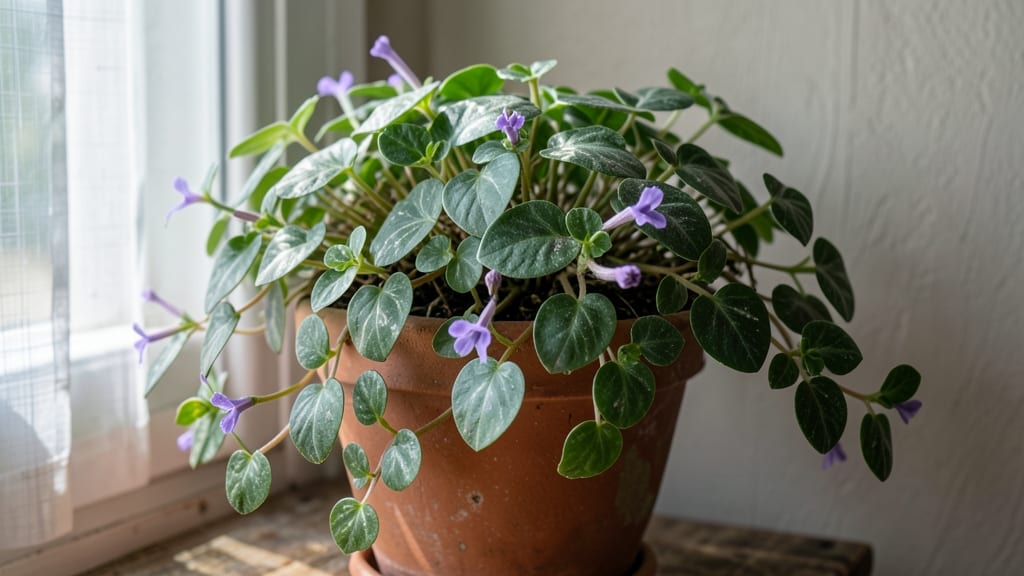
Transforming bare walls into vibrant green curtains starts with Swedish ivy (Plectranthus coleoides), a trailing beauty that thrives in containers and cascades like a living waterfall. 🌿 I fell for this plant after seeing it spill over a neighbor's balcony—it's the perfect solution for adding softness to urban spaces without heavy maintenance.
The key to growing it successfully lies in mimicking its natural habitat: bright, indirect light, well-draining soil, and consistent moisture without soggy roots.
This plant is a beginner's dream because it's hard to kill—just don't let it dry out completely. Swedish ivy loves warmth (ideal between 60-75°F) and can handle a bit of neglect, making it perfect for busy gardeners or those new to trailing plants.
You can grow it from cuttings (the easiest method) or seeds, though cuttings root faster and give you instant results. The real magic happens when you see it fill gaps in 5-6 weeks, creating that lush, curtain-like effect.
Once established, Swedish ivy becomes a low-maintenance star in your outdoor decor. Use it to soften concrete walls, drape over railings, or spill from hanging baskets—it’s equally stunning in full sun or partial shade, though variegated varieties need more light to show off their colors.
The only real challenge is keeping it from spreading too aggressively (a good thing to trim back occasionally).
Whether you're dressing up a balcony, covering a chain-link fence, or just adding greenery to a dull corner, this plant delivers instant impact with minimal effort.
The secret? Let it grow wild at first, then shape it as it fills in—your green curtain will thank you by staying vibrant all season long.
📚 In This Guide
- What you need
- Instructions
- Tips and common mistakes
- Wrapping up and next steps
What you need
- ● Swedish ivy plants: 1-3 starter plants (depending on coverage goals). Choose healthy cuttings with vibrant green leaves.
- ● Growing medium: Well-draining potting mix (10-15 lbs) for containers.
- ● Lightweight soil blend (e.g., 60% peat moss, 30% perlite, 10% sand) for vertical gardens.
- ● Containers or mounting surface: Hanging baskets (12-16 inches wide) or wall pockets (for vertical setups).
- ○ Fabric grow bags (optional, for a rustic look).
- ● Tools: Pruning shears or sharp scissors (for trimming).
- ● Gloves (to protect hands from soil and thorns).
- ● Watering can with a rose nozzle (for gentle watering).
- ● Fertilizer: Balanced liquid fertilizer (e.g., 10-10-10) or slow-release granules for nutrient boosts.
- ● Mulch: Organic mulch (e.g., shredded bark) to retain moisture.
- ● Support structures: Trellises, netting, or wire frames for training vines.
- ● Pest control: Neem oil or insecticidal soap (preventative measure).
- ● Decorative elements: Solar-powered lights or colorful pots to enhance your setup!
Step-by-step guide to growing Swedish ivy for a living green wall
This fast-growing vine thrives in containers or vertical gardens—here's how to cultivate a lush, trailing curtain.
🪴 Step 1: Choose the Right Container and Location
Swedish ivy (Plectranthus verticillatus) thrives in hanging baskets, wall pockets, or deep containers with drainage. For 4 plants, use 4-6 inch diameter pots with drainage holes—terracotta works best because it breathes and prevents root rot. Place your containers where they’ll receive bright, indirect light for at least 4-6 hours daily.
South or west-facing balconies are ideal, but avoid harsh afternoon sun, which can scorch the tender leaves. If you’re mounting it on a wall, ensure the backing material (like coconut coir or felt) stays moist but not soggy—this vine’s roots need consistent humidity to climb and spread.
🌱 Step 2: Plant and Water for Initial Growth
Fill each pot with well-draining potting mix (a blend of peat moss, perlite, and compost works well). Plant one cutting per pot, burying the stem 1-2 inches deep in the soil. Gently press the soil around the stem to secure it without compacting it too tightly.
Water thoroughly until water drains from the bottom, then let the top inch of soil dry out before watering again. Overwatering is the biggest mistake—yellowing leaves or mushy stems signal you’re giving it too much love. Swedish ivy prefers slightly dry conditions between waterings.
☀️ Step 3: Encourage Trailing and Prune for Fullness
Once your plants establish 4-6 inches of new growth (usually within 4-6 weeks
Trim any leggy or bare stems to maintain a full, curtain-like appearance. You’ll see new leaves sprout from the nodes where you pruned—this is your reward for keeping it tidy. Deadhead any brown or yellow leaves immediately to prevent disease. Feed your Swedish ivy every 4-6 weeks during spring and summer with a balanced liquid fertilizer (10-10-10 or 20-20-20). Dilute it to half-strength to avoid burning the delicate roots. In fall and winter, reduce feeding to every 8-10 weeks—the plant slows down but doesn’t stop growing entirely. Mist the leaves occasionally to mimic its tropical origins, especially if your home has dry air. You’ll notice the leaves perk up and stay vibrant when they’re happy. If the tips start browning, increase humidity by placing the pot on a tray of pebbles with water underneath. Swedish ivy spreads easily—simply snip a 3-4 inch stem with a few leaves, remove the lower leaves, and dip the cut end in rooting hormone. Plant it in fresh potting mix and keep it moist until roots form (2-3 weeks). This is how you’ll expand your green wall without spending a dime. Every 6-12 months, refresh the potting mix by repotting into a slightly larger container. This prevents root-bound stress and keeps your plants thriving. Prune back any overgrown sections in early spring to encourage fresh, vigorous growth for the season.💧 Step 4: Fertilize and Maintain for Year-Round Growth
✂️ Step 5: Propagate and Refresh Your Green Wall
Tips & tricks for cultivating a thriving Swedish ivy curtain
Here’s what nobody tells you about keeping Swedish ivy lush and full—these tricks make all the difference between a patchy curtain and a vibrant green wall.
Container Selection: Terracotta pots are ideal because they wick away excess moisture, but if you prefer plastic, make sure to drill extra drainage holes. The 4-6 inch diameter recommendation works perfectly for 4 plants, but for a denser curtain, you can use slightly larger pots (up to 8 inches) to accommodate more growth. Just ensure the extra space doesn’t lead to overwatering—stick to the same drying-out rule.
Lighting Strategy: That 4-6 hours of bright, indirect light is non-negotiable, but here’s the trick: if your space only gets morning sun, rotate the pots every few days so all sides get even exposure. South or west-facing balconies are perfect, but east-facing works too—just move the plants closer to the window in winter when sunlight is weaker. Avoid direct afternoon sun, which can bleach the leaves.
Pruning Payoff: When you pinch back those 4-6 inch stems in Step 3, you’re not just tidying up—you’re encouraging the plant to branch out. I’ve found that pruning in early spring gives the most dramatic bushier growth by summer. And here’s a bonus: those pruned stems can be propagated immediately, so you’re not just shaping your curtain, you’re expanding it for free!
Fertilizer Timing: The 4-6 week feeding schedule during spring and summer is spot-on, but I’ve noticed the plants respond even better if you fertilize right after watering. This gives the roots time to absorb the nutrients before the next watering cycle. In fall and winter, if you’re keeping your ivy indoors, you can stretch that 8-10 week interval to 10-12 weeks—the plant will thank you with fewer brown tips.
Pro Tips for Sweedish Ivy Plant
- Here’s what nobody tells you about keeping Swedish ivy lush and full—these tricks make all the difference between a patchy curtain and a vibrant green wall.
- Container Selection: Terracotta pots are ideal because they wick away excess moisture, but if you prefer plastic, make sure to drill extra drainage holes.
- Lighting Strategy: That 4-6 hours of bright, indirect light is non-negotiable, but here’s the trick: if your space only gets morning sun, rotate the pots every few days so all sides get even exposure.
Frequently asked questions
Got questions about growing and caring for Swedish Ivy? You’re not alone! Here are some of the most common questions—and their answers—to help you keep your plant thriving like a pro.
How fast does Swedish Ivy grow, and how big can it get?
Swedish Ivy (Plectranthus coleoides) is a fast grower, often adding 6–12 inches per year with proper care. In ideal conditions, it can reach 1–3 feet tall and 2–4 feet wide, making it perfect for cascading over walls or balconies. Prune regularly to control its size and encourage bushier growth!
How often should I water my Swedish Ivy?
Water your Swedish Ivy when the top inch of soil feels dry, usually once a week (adjust for humidity/climate). Overwatering is the biggest risk—yellowing leaves or mushy stems mean you’re watering too much! Ensure pots have drainage holes to prevent root rot.
Can Swedish Ivy survive in full sun, or does it need shade?
This plant prefers bright, indirect light (like an east-facing window) but can tolerate morning sun. Avoid harsh afternoon rays, which can scorch its leaves. If grown outdoors, choose a spot with dappled shade—especially in hot climates.
What pests commonly attack Swedish Ivy, and how do I treat them?
Watch for spider mites, aphids, or mealybugs, which thrive in dry conditions. Wipe leaves with a soapy water solution or spray with neem oil for mild infestations. Isolate the plant early to prevent spread. Prevention tip: Keep humidity up and inspect leaves weekly!
Can I grow Swedish Ivy indoors year-round, or is it better outdoors?
Yes! Swedish Ivy thrives indoors as a houseplant, especially in hanging baskets or shelves near windows. Outdoors, it’s great for warm-season balconies or patios (USDA zones 10–11). Bring it inside if temps drop below 50°F (10°C)—it’s not frost-tolerant.
Pro Tip: Boost growth with a balanced liquid fertilizer every 4–6 weeks during spring/summer. Skip fertilizing in winter when growth slows.
Wrapping up and next steps
Transforming your balcony or walls with Swedish Ivy isn’t just about adding greenery—it’s about creating a thriving, low-maintenance oasis that brings life to any space. 🌿 Whether you’re drawn to its cascading charm or its air-purifying benefits, this resilient plant is your perfect companion for vertical gardening.
Ready to dive in? Grab your supplies, follow the steps, and watch your walls bloom with effortless elegance!
Your next step? Pick a spot, gather your materials, and let nature do the rest—one lush vine at a time! 🌱✨