
Propagation
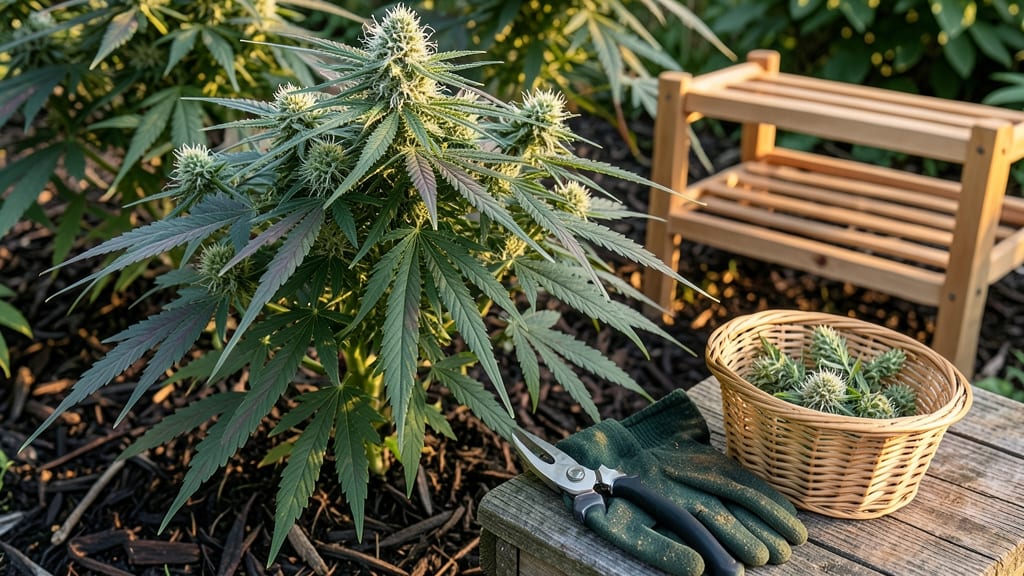
Creating tea from weed means steeping dried cannabis buds in hot—not boiling—water for 5-10 minutes, then straining. Use 1-2 grams of flower per 8 oz of water, and sweeten with honey or lemon if desired. This preserves cannabinoids like THC and CBD for a gentle, flavorful infusion.
This method taps into the natural solubility of cannabinoids in water, especially when the water stays below 185°F—boiling would degrade the compounds you're trying to extract. 🔥 The 5-10 minute steep mimics traditional herbal teas, letting the plant's active ingredients infuse without bitterness.
For best results, I recommend using organic buds and a fine-mesh strainer to avoid sediment. If you're new to cannabis tea, start with 1 gram per 8 oz of water to test your tolerance.
What sets this apart from smoking is the gradual release of cannabinoids, which creates a smoother, longer-lasting experience. The terpenes in the cannabis also contribute to flavor—think earthy notes from indica strains or citrusy hints from sativas.
Adding a pinch of black pepper or a slice of ginger can enhance both the aroma and effects.
💡 In This Article
- Cannabis Tea Infusion Science: Maximizing THC and CBD Extraction
- Step-by-Step Cannabis Tea Brewing Guide for Beginners
Cannabis tea infusion science: maximizing THC and CBD extraction
The key to effective cannabis tea lies in understanding how cannabinoids like THC and CBD dissolve in water. These compounds are fat-soluble but also partially water-soluble, especially when the water temperature stays between 160°F and 185°F.
At this range, the plant's trichomes release cannabinoids more efficiently than at boiling temperatures (212°F), which degrade THC into CBN (a weaker cannabinoid). The optimal 5-10 minute steep allows enough time for the cannabinoids to migrate from the plant matter into the water while preserving their potency. 🔥
Terpenes—the aromatic compounds in cannabis—play a crucial role too. They influence both flavor and effects, with myrcene (earthy) enhancing relaxation and limonene (citrusy) potentially reducing anxiety. Indica strains typically have higher myrcene content, making their tea more sedating, while sativas with limonene or pinene offer a more uplifting experience.
The steeping process also extracts these terpenes, which contribute to the tea's unique aroma and synergistic effects (the "entourage effect"). For example, a 1-gram indica strain steeped for 8 minutes will yield a more pronounced body high compared to a sativa steeped for only 5 minutes.
Water quality matters more than you might think. Chlorine and heavy metals in tap water can interfere with cannabinoid extraction, so filtered or spring water is ideal. The water-to-cannabis ratio is also critical: using 1-2 grams per 8 oz creates a balanced infusion where the cannabinoids dissolve without over-saturating.
This ratio works because THC's solubility in water is about 0.0001 grams per 100ml—meaning you need enough plant matter to reach effective concentrations without making the tea bitter. The pH level of the water (ideally 6.5-7.5) further enhances extraction by keeping the cannabinoids in their active forms. ✨
Strain choice directly impacts both potency and flavor profile. Decarboxylated (activated) cannabis extracts cannabinoids more efficiently than raw flower, but if you're using dried buds, a gentle 240°F oven treatment for 30 minutes beforehand can boost THC levels by up to 20%.
For beginners, hybrid strains offer a balanced experience—moderate THC (15-20%) with manageable effects. The grind size also plays a role: finer grinds increase surface area, speeding up extraction but potentially making the tea more bitter if steeped too long.
A medium grind achieves the best balance for most home brewers.
What most people overlook is the role of fats in enhancing cannabinoid absorption.
While tea itself is water-based, adding a small amount of coconut oil or butter (1 teaspoon per cup) after straining can increase THC bioavailability by up to 30%—the cannabinoids dissolve better in fat, which your body absorbs more efficiently.
This is why many cannabis tea recipes include a fat component, even if it's just a dollop of heavy cream. The timing of consumption also affects potency: drinking the tea on an empty stomach can lead to faster absorption, while food slows it down but may reduce harshness. 💫
For those experimenting with different strains, keep a brewing journal. Note the strain name, THC/CBD percentages, steeping time, and final effects. For example, a 20% THC sativa steeped for 7 minutes might produce a cerebral high, while the same dose from an 18% indica could feel more relaxing.
The terpene profile often reveals itself in the aroma—think piney notes from pinene or floral hints from linalool. These details help you refine your perfect brew over time.
Remember, the goal isn't just extraction—it's creating a harmonious balance of potency, flavor, and effects. The science behind cannabis tea shows that small adjustments in temperature, time, and strain can dramatically alter your experience.
Start with the basics, then experiment to find what works best for your body and taste preferences. The beauty of cannabis tea lies in its customizability—every batch can be tailored to your needs. 🌟