
Pests
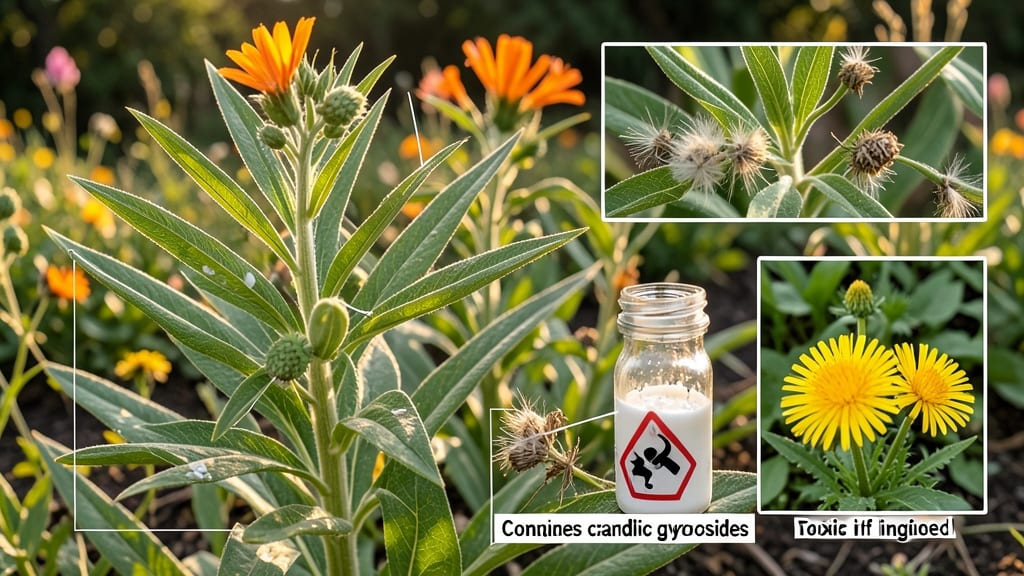
Milkweed is toxic to humans when ingested, containing cardiac glycosides like ouabain that can cause nausea, vomiting, and irregular heartbeat. Skin contact may irritate sensitive individuals, but handling mature pods is generally safe with precautions.
Milkweed's toxicity stems from its natural defenses—cardiac glycosides like ouabain disrupt heart rhythms, while its milky latex sap can irritate skin or mucous membranes. 🌱 While mature pods pose minimal risk when handled properly, accidental ingestion (especially by curious kids or pets) can trigger severe reactions.
The good news? Most gardeners work with milkweed safely by wearing gloves and avoiding sap contact during planting or pruning.
What often surprises people is that milkweed's toxicity varies by plant part. Leaves contain higher concentrations of cardiac glycosides than stems, making them riskier if chewed accidentally. Even the fluffy seed pods—so vital for monarch butterflies—can cause stomach upset if ingested in large quantities.
That said, the plant's ecological value as a host for monarchs often outweighs the risks when proper precautions are taken.
For those growing milkweed, I recommend planting it away from high-traffic areas and teaching children about its dangers. A quick hand-washing after handling the plant removes most residue, and wearing long sleeves during harvest minimizes skin exposure. The key is balancing its environmental benefits with smart safety measures.
💡 In This Article
- Toxic Compounds in Milkweed and Their Effects on Humans
- Safe Handling and Gardening with Milkweed Plants
Toxic compounds in milkweed and their effects on humans
The heart of milkweed's toxicity lies in its cardiac glycosides—natural chemicals that disrupt the sodium-potassium pumps in human cells. The most potent compounds include ouabain (found in leaves and stems) and uscharidin, which mimic digitalis (a heart medication) but without therapeutic control.
These glycosides bind to sodium-potassium ATPases in cardiac muscle cells, causing abnormal heart rhythms and potentially fatal arrhythmias at high doses. 🔥
Milkweed's milky latex sap contains additional irritants like resins and alkaloids, which can trigger skin reactions in sensitive individuals. The sap's chemical composition creates a sticky barrier that may cause contact dermatitis—characterized by redness, itching, or blistering—especially in those with allergies or compromised skin.
Ingesting even small amounts of raw leaves can lead to gastrointestinal distress, including severe nausea, vomiting, and diarrhea, as the plant's cell walls contain insoluble fibers that irritate the digestive tract lining.
Children and pets are particularly vulnerable because their smaller body size means lower toxicity thresholds. A 5-10 gram ingestion (about one to two leaves) could trigger symptoms in a child, while dogs may be at risk from chewing on stems or pods.
The American Society for the Prevention of Cruelty to Animals (ASPCA) reports that milkweed ingestion is one of the top plant-related emergencies in pets during spring and summer. The cardiac effects are dose-dependent, but even mild exposure can cause lethargy or abnormal heart rates.
What makes milkweed uniquely dangerous is how its toxicity manifests in stages. Initial symptoms (within 30-60 minutes) include drooling, vomiting, and abdominal pain, followed by more severe cardiac symptoms like irregular heartbeat or weakness.
Unlike some toxins that cause immediate collapse, milkweed's effects develop gradually, which is why prompt medical attention is critical. Toxicologists recommend inducing vomiting only under professional supervision, as further irritation can worsen symptoms.
Interestingly, milkweed's toxicity varies by plant part and maturity. Mature seed pods contain lower concentrations of cardiac glycosides than fresh leaves, which explains why handling dried pods is generally safer. However, the fluffy seed fibers (pappus) can still cause respiratory irritation if inhaled in large quantities.
This variation is why gardeners often recommend harvesting milkweed in late summer when pods are fully mature but before they split open.
For those concerned about accidental exposure, it's worth noting that cooking does not neutralize milkweed's toxins. The cardiac glycosides are heat-stable, meaning even properly prepared meals could pose risks.
This is why traditional uses of milkweed (like in some Asian cuisines) involve extensive preparation methods to reduce toxicity—but these are not foolproof. Always err on the side of caution with this plant.
Understanding these mechanisms helps explain why milkweed's ecological role as a monarch butterfly host plant is so valuable despite its risks. The trade-off between supporting biodiversity and managing human exposure is why proper education and handling techniques are essential. 💫