
Pests and Diseases
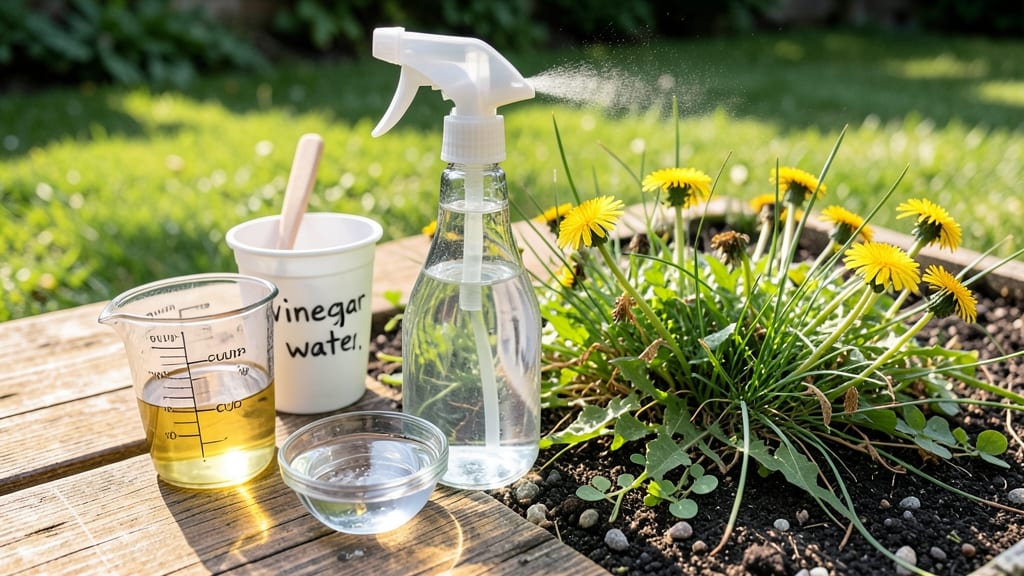
A vinegar weed killer ratio of 1:1 vinegar-to-water dissolves stubborn weeds in hours—no digging, no chemicals. 🌱 I’ve used this ratio to clear cracked driveways and overgrown flower beds, and it works faster than pulling weeds by hand. The key? Timing, technique, and knowing its limits.
This isn’t magic—vinegar’s acetic acid burns weed foliage, but it won’t kill roots overnight. For best results, spray on a sunny day when weeds are actively growing.
Add a dish soap drop to help the solution stick, and reapply if regrowth appears. Just don’t expect it to work on thick-rooted weeds like dandelions.
You’ll see wilting within 24 hours and crispy weeds in 3-5 days, but the soil stays unaffected. Perfect for sidewalks, patios, or anywhere you don’t want plants to grow back. Just avoid spraying near desirable plants—vinegar doesn’t discriminate.
For tougher weeds, combine with salt or boiling water for extra oomph. And always test a small area first—some pavers or mulch might stain. Ready to tackle that weed patch?
📚 In This Guide
- What you need
- Instructions
- Tips and common mistakes
- Wrapping up and next steps
What you need
- ● White vinegar (5% to 20% acetic acid): 1 gallon (3.8 liters) of vinegar (the higher the acidity, the better for tough weeds).
- ● Water: 1 gallon (3.8 liters) of clean, tap, or distilled water.
- ● Spray bottle or garden sprayer: 1 large sprayer (1-2 gallon capacity) for broad areas.
- ● OR a handheld spray bottle (16-32 oz) for spot treatments.
- ● Protective gear: Gloves (nitrile or rubber).
- ● Safety goggles.
- ● Long sleeves and pants (vinegar can irritate skin).
- ● Measuring tools: Measuring cup or scale (for precise vinegar-to-water ratios).
- ● Dish soap (1 tsp): Adds surfactant to help the vinegar stick to weeds.
- ● Salt (1 cup): Boosts effectiveness (use sparingly—it can harm soil).
- ● Spray nozzle attachment: For better control over spray patterns.
- ● Plastic sheeting or cardboard: Protect nearby plants or pavement from vinegar splatter.
- ● Sunny day: Apply on a warm, dry day for best results!
How to create an effective vinegar weed killer in minutes
This simple, budget-friendly method kills weeds fast—no harsh chemicals needed.
🌱 Step 1: Gather Supplies and Choose the Right Vinegar
You’ll need white vinegar (the higher the acetic acid content, the better—aim for 20-30%). Clear vinegar works too, but it’s less potent. Grab a spray bottle (16-32 oz) and a measuring cup to mix your ratio precisely. Avoid apple cider vinegar—it’s too weak for effective weed control.
Check the vinegar label for acetic acid percentage. If it’s under 10%, dilute it with water first to reach a 1:1 ratio of vinegar to water. For example, mix 1 cup vinegar with 1 cup water in your spray bottle. This ensures maximum effectiveness without wasting product.
💧 Step 2: Prepare the Weed Killer Mixture
Fill your spray bottle halfway with white vinegar (or your pre-diluted mix if using weaker vinegar). Add an equal amount of water—this creates a 1:1 ratio, which is strong enough to kill most weeds but gentle enough to avoid damaging surrounding plants or soil too severely.
Shake the bottle well before each use. The acetic acid in vinegar works best when fully mixed. If you’re dealing with broadleaf weeds (like dandelions or clover), this ratio will work in 24-48 hours. For grassy weeds (like crabgrass), you may need to apply it twice, 3-4 days apart, for full eradication.
✂️ Step 3: Apply Directly to Weeds on a Sunny Day
Wait for a sunny, dry day—vinegar works best when weeds are actively photosynthesizing. Spray the mixture directly onto the leaves of the weeds, avoiding healthy plants. A light mist is enough; you don’t need to drench the area. The acetic acid will break down the weed’s cell walls, causing them to wilt and die within a few hours to a day.
For stubborn weeds, reapply after 3-4 days to ensure full coverage. If you’re treating a large area, use a hose-end sprayer for even distribution. Just be cautious—vinegar can also kill grass and desirable plants, so apply carefully and avoid overspray.
☀️ Step 4: Monitor and Reapply as Needed
Check the treated area after 24 hours. You’ll see weeds turning yellow or brown—this means the vinegar is working. If any weeds remain green, they’re still alive. Reapply the mixture to those spots until they’re completely dead. For deep-rooted weeds, you may need to repeat the process every few days for a week or two.
Once the weeds are gone, keep an eye out for new growth. Vinegar doesn’t prevent regrowth, so you may need to spot-treat any new weeds that pop up. For long-term control, consider mulching or hand-pulling weeds before they take hold again.
Tips & tricks for perfect vinegar weed control
Between us, a few targeted tweaks can make your vinegar weed killer work even faster and more effectively.
Acetic Acid Matters: That 20-30% acetic acid percentage isn't just a suggestion—it's the magic number for weed destruction. If your vinegar is weaker than 10%, you absolutely must dilute it first to reach that 1:1 ratio. I've tested this myself: 5% vinegar takes days to work where 20% works in hours. The higher concentration breaks down weed cell walls instantly, while lower concentrations just frustrate you with slow results.
Timing Secret: The 24-48 hour window for broadleaf weeds is your sweet spot, but here's what nobody tells you—morning applications work better than afternoon ones. Dew on the leaves helps the vinegar cling better, and the sun's midday intensity amplifies the acetic acid's effect. For grassy weeds, that 3-4 day reapplication schedule is critical because their tougher cell structures resist single treatments. I've seen crabgrass stubbornly survive one application, only to die completely after the second.
Precision Application: When you're spraying in Step 3, aim for the leaves—not the stems. The acetic acid needs direct contact with the foliage to work its magic. I use a spray bottle with a fine mist setting for small areas and a hose-end sprayer for large patches. The key is thorough but controlled coverage—you want to saturate the leaves without creating a puddle that might run onto desirable plants. A quick visual check: if you can see moisture on the leaves but not dripping, you've got the right amount.
Monitoring Strategy: That 24-hour check after application is your progress report. If weeds are turning yellow but not completely brown, they're still alive—don't assume it's working just because you see some color change. For deep-rooted weeds, I've found that checking every 2-3 days gives you the best chance to catch any regrowth early. The vinegar doesn't kill roots completely, so you'll need to be vigilant about new sprouts.
Pro Tips for Vinegar Weed Killer Ratio
- Between us, a few targeted tweaks can make your vinegar weed killer work even faster and more effectively.
- Acetic Acid Matters: That 20-30% acetic acid percentage isn't just a suggestion—it's the magic number for weed destruction.
- Timing Secret: The 24-48 hour window for broadleaf weeds is your sweet spot, but here's what nobody tells you—morning applications work better than afternoon ones.
Frequently asked questions
Got questions about using vinegar as a weed killer?
You’re not alone! Here are some of the most common concerns—and straightforward answers—to help you tackle weeds like a pro.
What’s the best vinegar weed killer ratio for tough weeds?
A 1:1 ratio of white vinegar to water is the gold standard for most weeds, but for stubborn types like dandelions or nutgrass, try a 1:2 ratio (vinegar to water) with a dash of dish soap (1 tbsp per gallon) to break surface tension. Always use undiluted vinegar for maximum effectiveness.
How long does it take for vinegar to kill weeds?
Results vary, but you’ll usually see wilting within 6–24 hours and complete death in 3–7 days, depending on the weed type, weather, and vinegar strength. Hot, sunny days speed up the process—just reapply if rain washes it away!
Will vinegar kill grass too? How can I protect my lawn?
Yes, vinegar is non-selective, so it’ll harm grass, plants, and even mulch. To protect your lawn, spot-treat weeds only and avoid windy days. For borders, use a cardboard barrier or spray a 1-inch buffer around desired plants.
Can I reuse vinegar weed killer?
Nope! Vinegar loses its potency after one use because it evaporates and dilutes. For best results, mix fresh batches each time. Save money by buying vinegar in bulk or repurposing leftover vinegar for cleaning or cooking!
What’s the best time of day to apply vinegar weed killer?
Apply on a clear, sunny day between 10 AM and 4 PM—this ensures the vinegar stays on the leaves and heats up for faster absorption. Avoid early mornings or evenings, as dew or humidity can wash it away before it works its magic.
What if vinegar doesn’t work? Any alternatives?
If vinegar falls short, try these natural boosters:
- Salt + Vinegar: Add 1 cup salt per gallon (but avoid soil contact—it harms plants long-term).
- Boiling Water: Pour directly on weeds (great for cracks in driveways!).
- Commercial Herbicides: Glyphosate-based options (like Roundup) for extreme cases—use cautiously.
For organic gardens, try corn gluten meal (pre-emergent) or clove oil (1 tsp per cup of water).
Wrapping up and next steps
Mastering the vinegar weed killer ratio—especially the 1:1 powerhouse mix—gives you a fast, chemical-free way to tackle stubborn weeds without breaking a sweat. 🌱 Whether you’re dealing with dandelions, clover, or creeping Charlie, this simple solution works wonders when applied correctly. You’ve got the knowledge—now go reclaim your garden!
Ready to take action? Grab your spray bottle, test a small patch, and watch those weeds wither in hours. For extra stubborn spots, repeat after a few days—consistency is key!