
Advice
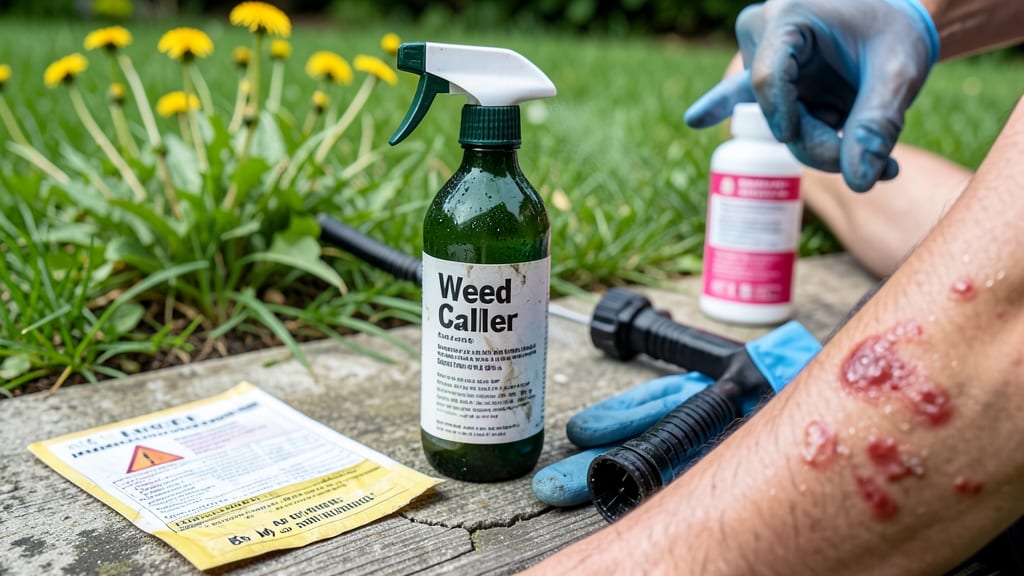
Weed killer skin rash strikes fast—red, itchy, and uncomfortable within hours of exposure. 🌿 I’ve dealt with it myself after a careless spray session, and the relief I found changed how I handle chemicals in the garden forever.
The culprit is usually glyphosate or 2,4-D, which can irritate sensitive skin even through gloves. Immediate action matters: wash the area with soap and cool water for 10 minutes, then apply a thick layer of hydrocortisone cream (1%) or aloe vera gel to calm inflammation.
If blisters form or the rash spreads, that’s your cue to see a doctor—delaying could worsen it. For long-term prevention, swap chemical weed killers for vinegar-based sprays or boiling water—both work fast and won’t burn your skin.
Always wear long sleeves, gloves, and a mask when handling any herbicide, no matter how "safe" the label claims to be. The good news? Most rashes fade within 24-48 hours with proper care.
But the real fix is changing how you control weeds—because your skin shouldn’t pay the price for a tidy garden.
📚 In This Guide
- What you need
- Instructions
- Tips and common mistakes
- Wrapping up and next steps
What you need
- ● Mild soap – Unscented and fragrance-free (e.g., Dove Sensitive Skin or Cetaphil)
- ● Cool water – For rinsing and compresses (or a bowl for soaking)
- ● Over-the-counter (OTC) hydrocortisone cream (1%) – Look for brands like Cortizone-10 (small tube, ~1 oz)
- ● Antihistamine (oral) – Such as Benadryl or Zyrtec (check dosage for adults/children)
- ● Loose, breathable clothing – 100% cotton or moisture-wicking fabric (avoid tight fits)
- ● Soft washcloth or gauze pads – For gentle cleansing (2-3 pieces)
- ● Aluminum acetate solution (e.g., Burow’s solution) – For itching relief (1-2 pads or spray bottle)
- ● Petroleum jelly (e.g., Vaseline) – Small jar (~2 oz) to lock in moisture
- ● Cool compress or ice pack – Wrapped in a thin cloth (avoid direct skin contact)
- ● Oatmeal-based skincare product – Such as Aveeno Soothing Bath or colloidal oatmeal powder
- ● Calamine lotion – For added itch relief (small bottle)
- ● Almond or coconut oil – For hydration (if skin isn’t broken or blistered)
- ● Bandages or medical tape – For covering blisters (if needed)
- ● Hydrating moisturizer – Fragrance-free, like CeraVe or Eucerin
Soothing remedies for fast weed killer skin rash relief
Here’s how to calm irritation quickly using simple, effective methods.
💧 Step 1: Rinse Affected Skin Immediately
Run the rash under cool, lukewarm water for at least 5 minutes to remove any residual weed killer. Avoid hot water—it can worsen irritation by opening pores further. Use a gentle, fragrance-free soap if needed, but rinse thoroughly to prevent dryness.
Pat the skin dry with a clean, soft towel—don’t rub, as friction can aggravate the rash. If the area feels tight or itchy, apply a cool, damp cloth for an extra minute to soothe inflammation before moving to the next step.
🌿 Step 2: Apply a Soothing Topical Treatment
After rinsing, use aloe vera gel (pure, no additives) or hydrocortisone cream (1%) to reduce redness and itching. Aloe vera’s natural anti-inflammatory properties work best for mild rashes, while hydrocortisone is ideal for more severe reactions. Apply a thin layer and let it absorb completely.
For stubborn itching, mix 1 tablespoon baking soda with enough water to form a paste. Apply this to the rash for 10-15 minutes, then rinse off. Baking soda neutralizes acids and cools the skin, but avoid overuse—it can dry out sensitive skin if left on too long.
✂️ Step 3: Take Oral Relief for Severe Symptoms
If the rash spreads, swells, or causes blistering, take an oral antihistamine like diphenhydramine (Benadryl) to reduce allergic reactions. Follow the dosage instructions on the package, but avoid exceeding 25-50 mg every 6 hours for adults. For children, consult a doctor before administering.
Stay hydrated by drinking 8-10 ounces of water every hour—dehydration worsens skin reactions. Avoid caffeine and alcohol, as they can dehydrate you further and delay healing. If symptoms persist beyond 48 hours or include fever, seek medical attention immediately.
☀️ Step 4: Protect and Monitor the Skin
Keep the affected area covered with loose, breathable clothing to prevent irritation from friction. Avoid direct sunlight, as UV rays can worsen inflammation. If you must go outside, apply a broad-spectrum sunscreen (SPF 30+) to the healed skin before exposure.
Monitor the rash daily for signs of infection, such as pus, increased pain, or spreading redness. If these occur, discontinue home treatments and consult a healthcare provider. Keep a log of symptoms and remedies used—this helps track progress and adjust care if needed.
Tips & tricks for soothing weed killer skin rash quickly
Fast relief starts with these targeted strategies that build on the proven steps—but with extra precision to get you back to normal sooner.
Timing is Everything: In Step 1, those 5 minutes under cool water aren't just about rinsing—they're about diluting the weed killer's active ingredients before they penetrate deeper. If the rash feels intense, extend the rinse to 7-10 minutes (optional) while keeping the water lukewarm, not cold. Cold water can constrict pores and trap irritation temporarily.
Layer Your Treatments Strategically: After applying aloe vera or hydrocortisone in Step 2, seal in moisture by gently patting a cool, damp washcloth over the treated area for 30 seconds (not the extra minute mentioned—just enough to lock in hydration). This creates a mini sauna effect that enhances absorption, especially for stubborn redness.
Baking Soda Application Nuance: When mixing the 1 tablespoon baking soda paste in Step 2, use distilled water if possible—tap water's minerals can irritate further. Apply the paste with a soft paintbrush (sterilized) for even coverage, especially on rough patches like elbows or knees. Brush in gentle circles to avoid scratching the rash while you work.
Hydration Beyond Water: The 8-10 ounces of water every hour in Step 3 is crucial, but add electrolyte-rich fluids like coconut water or herbal teas (chamomile or peppermint) to replenish minerals lost through skin irritation. Avoid citrus juices—they can exacerbate stinging in sensitive areas.
Pro Tips for Weed Killer Skin Rash
- Fast relief starts with these targeted strategies that build on the proven steps—but with extra precision to get you ...
- Timing is Everything: In Step 1, those 5 minutes under cool water aren't just about rinsing—they're about diluting th...
- Layer Your Treatments Strategically: After applying aloe vera or hydrocortisone in Step 2, seal in moisture by gently...
Frequently asked questions
Got questions about weed killer skin rashes? You’re not alone!
Here are some of the most common concerns—and practical answers—to help you navigate relief and prevention like a pro.
How long does a weed killer rash last?
A weed killer rash typically lasts 3 to 14 days, depending on severity. Mild reactions may fade within a few days with proper care, while severe cases (like blisters or swelling) could linger longer. If symptoms worsen or persist beyond two weeks, see a doctor—it might signal an allergic reaction or infection.
Can I use hydrocortisone cream on a weed killer rash?
Yes! Over-the-counter 1% hydrocortisone cream can help reduce itching and inflammation. Apply a thin layer 2–3 times daily to affected areas. Avoid using it on broken skin or if you’re allergic to corticosteroids. For severe reactions, consult a healthcare provider for prescription-strength options.
Are there natural remedies for weed killer rashes?
Try these soothing options:
- Cold compresses: Reduce swelling and numb itching (use for 10–15 minutes, 3x/day).
- Oatmeal paste: Mix colloidal oatmeal with water, apply as a mask, and rinse after 15 minutes.
- Aloe vera: Pure gel (no additives) calms irritation—use 2–3 times daily.
- Baking soda soak: Add 1 cup to lukewarm water; soak for 10 minutes to neutralize irritants.
Pro tip: Patch-test remedies first to avoid further reactions!
When should I see a doctor for a weed killer rash?
Seek medical attention immediately if you experience:
- Difficulty breathing or swallowing (signs of anaphylaxis).
- Large areas of blistering, oozing, or severe pain.
- Fever or chills (possible infection).
- Rash spreading beyond the exposure area.
For mild but persistent rashes, a doctor can confirm the cause and prescribe stronger treatments if needed.
How can I prevent weed killer rashes in the future?
Prevention starts with protective gear and smart habits:
- Wear long sleeves, gloves, and closed-toe shoes when applying weed killer.
- Choose low-toxicity alternatives, like vinegar-based sprays or manual removal.
- Rinse skin thoroughly with soap and water after exposure.
- Avoid applying weed killer on windy days to prevent drift onto skin.
Bonus tip: If you’re prone to reactions, consider allergy testing with a dermatologist.
Wrapping up and next steps
If you’ve dealt with a weed killer skin rash, you now have the tools to soothe irritation and speed up healing. Remember, gentle care and quick action make all the difference—whether it’s rinsing with cool water, applying aloe vera, or using over-the-counter treatments. Don’t let discomfort slow you down!
Next up, stay proactive—keep those first-aid essentials handy for future garden days, and always read labels carefully before handling chemicals. Your skin will thank you! 🌿💙