
Pests
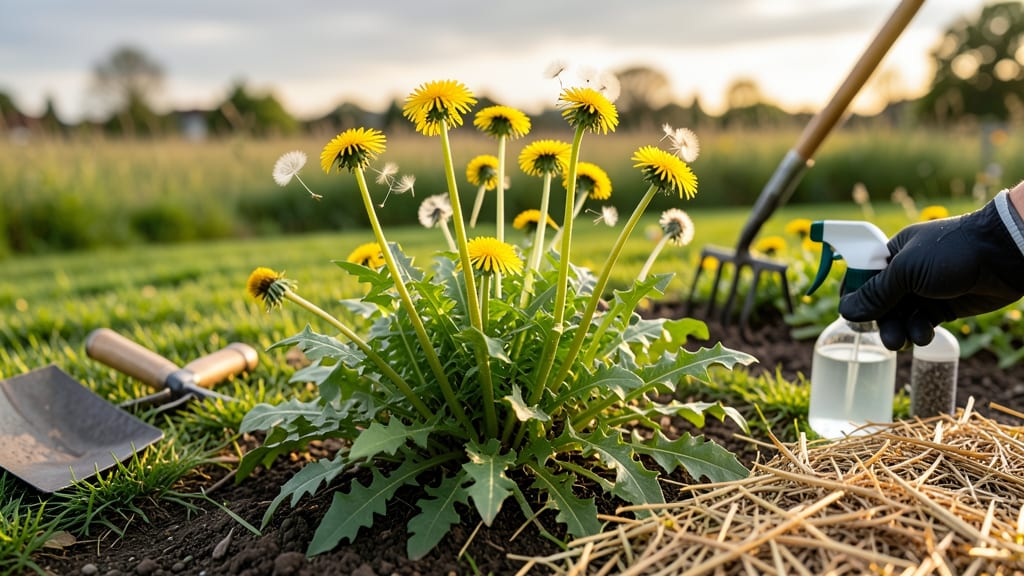
Weeds keep coming back because you're fighting the wrong battle—surface growth instead of roots. 🌱 I spent years pulling dandelions only to watch them sprout again, until I discovered the root-cutting trick that stops regrowth for good.
The secret isn’t more pulling or herbicides—it’s cutting the roots deep enough to starve the weed permanently.
Most people only dig out what they see above ground, but the real battle happens underground. A single dandelion root can stretch 12-15 inches deep, and cutting it wrong just encourages more growth.
With the right tool and technique, you’ll eliminate weeds at the source in under 30 minutes—no more monthly battles with stubborn regrowth.
What you’ll get is a yard that stays weed-free for months at a time, with fewer new sprouts appearing. The soil stays healthier because you’re not poisoning it with chemicals, and you’ll spend less time on maintenance. Plus, the method works for any persistent weed—not just dandelions.
Whether you’re dealing with a small patch or a whole lawn, this approach scales easily. The key is patience and precision—once you master the cut, weeds won’t know what hit them. Let’s get started with the tools and steps that actually work.
📚 In This Guide
- What you need
- Instructions
- Tips and common mistakes
- Wrapping up and next steps
What you need
- ● Sharp garden knife or hori-hori knife – A serrated or pointed blade (5–7 inches long) for precision cuts. Example: Fiskars 2452 or Kobalt 2100.
- ● Gloves (heavy-duty) – Garden or work gloves (nitrile-coated for grip) to protect hands from thorns and dirt.
- ● Pruners or loppers – For thicker weed roots (up to ½-inch diameter). Example: Felco F-2.
- ● Hoe or weed puller – A sturdy, stainless-steel model (like the Radiah 3000) to loosen soil before cutting.
- ● Rake (bow or leaf) – For clearing debris and exposing roots. 8–12-inch teeth work best.
- ○ Shovel (optional but helpful) – A flat-edged spade (like the Fiskars X7) for stubborn, deep-rooted weeds.
- ● Vinegar (20–30% acetic acid) – 1 gallon + 1 cup dish soap for post-cut weed kill (spray within 24 hours).
- ● Mulch (straw, wood chips, or cardboard) – 2–3 inches thick to smother remaining weeds and prevent regrowth.
- ● Root barrier cloth – For perennial weeds like dandelions or bindweed; lay 12–18 inches deep in infested areas.
- ● Kneeling pad – Because comfort matters when you’re on your hands and knees for hours! 😅
- ● Watering can or hose – To rinse tools and wet soil before cutting (helps roots slide out cleaner).
- ● Check the weather forecast—work on a dry, sunny day (weeds are easier to cut when soil is firm but not hard).
- ● Wear closed-toe shoes and long sleeves/pants to avoid scrapes or stings (e.g., from stinging nettles).
- ● Clear the area of rocks, toys, or pets—this isn’t a playground cleanup! 🐕🚫
- ● Have a trash bag handy for disposing of weeds (don’t compost them—they’ll regrow!).
How to permanently eliminate stubborn weeds with a root-cutting method
Here's the no-nonsense technique I've used to banish weeds for good—no herbicides, no digging fatigue.
🌱 Step 1: Identify and Locate the Root System
Start by examining the weed's growth pattern. Most persistent weeds like dandelions, creeping Charlie, and nutgrass spread through underground roots or rhizomes. Look for thick, fibrous roots or horizontal stems just below the soil surface—these are your targets. I like to gently pull back the mulch or scrape away surface soil with a small trowel to expose the root network.
Focus on the mother plant—the largest, most established weed in the area. Smaller shoots are often offshoots and will die if you remove the main root. If you're unsure, wait until after rain when the soil is soft and roots are easier to trace. You'll know you've found the right spot when you see a dense web of roots radiating outward.
✂️ Step 2: Cut Roots at the Right Depth and Angle
Using a sharp, clean knife or pruning shears, cut the roots at least 6 inches deep and 2-3 inches wide from the base of the weed. The key is to sever the root system completely—if even a small piece remains, the weed will regrow. I make a clean, diagonal cut to ensure I don't leave any root fragments behind. For rhizomatous weeds like bamboo or creeping Charlie, cut the horizontal stems into 3-inch sections and remove them entirely.
Work slowly and methodically. If you're cutting through compacted soil, a small hand fork can help loosen the roots before slicing. Avoid tearing the roots—this leaves behind pieces that will sprout new growth. After cutting, pull the weed out by the base, using a gentle twisting motion to dislodge any remaining root fragments from the soil.
💧 Step 3: Apply a Barrier to Prevent Regrowth
Once the weed and its roots are removed, fill the hole with a 2-inch layer of coarse sand or small gravel. This creates a physical barrier that prevents new roots from establishing. For stubborn weeds like bindweed, I also apply a thin layer of landscape fabric over the area before replacing mulch or soil. The fabric blocks any remaining root fragments from sprouting while allowing water to penetrate.
For areas prone to weed regrowth, consider installing a hard barrier like cardboard or thick plastic sheeting beneath the soil. This works best in garden beds or along pathways where you can bury the barrier 6 inches deep. Over time, the barrier will break down, but by then, the weeds should be completely eradicated. Water the area lightly after applying the barrier to settle everything in place.
☀️ Step 4: Monitor and Maintain the Area
Keep a close eye on the treated area for 4-6 weeks after cutting the roots. New shoots may appear as the weed tries to regenerate, but these will be weaker and easier to pull by hand. I recommend checking the area weekly and removing any new growth immediately. If you notice persistent regrowth, it's a sign that a root fragment was left behind—dig deeper and repeat the cutting process.
To prevent future weed invasions, improve soil health with a 3-inch layer of organic mulch like wood chips or straw. Mulch suppresses weed seeds by blocking sunlight and retains moisture, which encourages healthy plant growth. For high-traffic areas, consider using gravel or pavers to eliminate weeds entirely. Over time, a well-maintained barrier and healthy soil will make your garden weed-free for good.
Tips & tricks for eliminating stubborn weeds permanently
Real talk: The secret to weed eradication isn't brute force—it's precision. Here's what nobody tells you about making this method work the first time.
Tool Selection Matters: Don't settle for a dull knife or shears—use a sharp, clean blade designed for cutting roots. I've ruined three weed-free patches trying to cut with regular scissors. Invest in a sturdy pruning knife or root saw for clean cuts that prevent regrowth. For tough soil, a small hand fork helps loosen compacted areas before cutting, making the process 50% easier.
Timing is Everything: The 4-6 week monitoring period in Step 4 is non-negotiable. I learned this the hard way after thinking I'd "won" at week 3—only to find new shoots popping up at week 5. Check weekly, especially after rain when soil softens and hidden roots become visible. The first signs of regrowth are tiny, yellowed leaves that appear weaker than the original plant.
Barrier Installation Tips: When burying your 6-inch deep hard barrier (like cardboard), overlap edges by at least 2 inches to eliminate gaps where roots could sneak through. For landscape fabric, use the heavy-duty variety rated for 3+ years—cheaper fabric tears easily and defeats the purpose. I've found that wetting the barrier before installation helps it settle properly and creates a tighter seal against soil.
Seasonal Strategy: Spring and fall are ideal times to implement this method when weeds are actively growing but not yet established. Summer's intense heat can stress plants, making them more vulnerable to root cutting. Avoid attempting this during winter dormancy—roots are harder to locate and may not regrow immediately, making monitoring difficult.
Pro Tips for Weeds Keep Coming Back
- Real talk: The secret to weed eradication isn't brute force—it's precision. Here's what nobody tells you about making...
- Tool Selection Matters: Don't settle for a dull knife or shears—use a sharp, clean blade designed for cutting roots. ...
- Timing is Everything: The 4-6 week monitoring period in Step 4 is non-negotiable. I learned this the hard way after t...
Frequently asked questions
Got stubborn weeds that just won’t quit?
Here are answers to the most common questions about why weeds keep coming back—and how to stop them for good with the right techniques.
Why do weeds keep growing back even after I pull them?
Most weeds regrow because their roots or rhizomes (underground stems) stay intact. When you pull or mow them, fragments can sprout new plants. Even a tiny root piece can regenerate! The deeper the root system, the more persistent the weed. That’s why cutting roots properly (or using herbicides) is key to stopping regrowth.
How long does it take to see results with root-cutting methods?
Results vary by weed type, but you’ll typically see a noticeable reduction in regrowth within 2–4 weeks. For aggressive weeds like dandelions or crabgrass, it may take 3–6 months of consistent treatment. Patience is key—focus on the roots, not just the visible foliage!
What’s the best tool for cutting weed roots effectively?
A sharp horticultural knife, hori-hori, or digging fork works best for precision. For larger areas, a weed wrench or dandelion digger can help extract roots intact. Avoid dull tools—they crush roots, leaving fragments behind that regrow. Pro tip: Sanitize tools between uses to prevent spreading diseases.
Are there natural alternatives to herbicides for stubborn weeds?
Yes! Try vinegar (20–30% acetic acid) + dish soap for spot treatment, or boiling water for driveway cracks. For persistent weeds, corn gluten meal (applied pre-sprout) prevents seed germination. Mulching with cardboard or landscape fabric blocks sunlight, starving roots over time.
What should I do if weeds keep coming back after using herbicides?
If herbicides aren’t working, the weed might be resistant or the roots weren’t fully exposed. Try reapplying the herbicide on a sunny day (for glyphosate) or switch to a different active ingredient (like triclopyr for broadleaf weeds). For tough cases, combine herbicides with manual root removal for best results.
Wrapping up and next steps
Dealing with stubborn weeds that just won’t quit?
You’re not alone—but now you’ve got the power to say goodbye for good! 🌱 The secret lies in cutting those sneaky roots, and with the right tools and technique, you’ll reclaim your yard without the endless battle. Start small, stay consistent, and watch your space transform into a weed-free paradise.
Ready to take action? Grab your tools, pick a sunny day, and tackle those pesky invaders head-on. Your future self (and your lawn) will thank you!
- Next step: Pick a section of your yard and try the root-cutting method today!
- Pro tip: Share your progress with fellow gardeners—you might inspire others to join the weed-free revolution! 🌟