
Pests
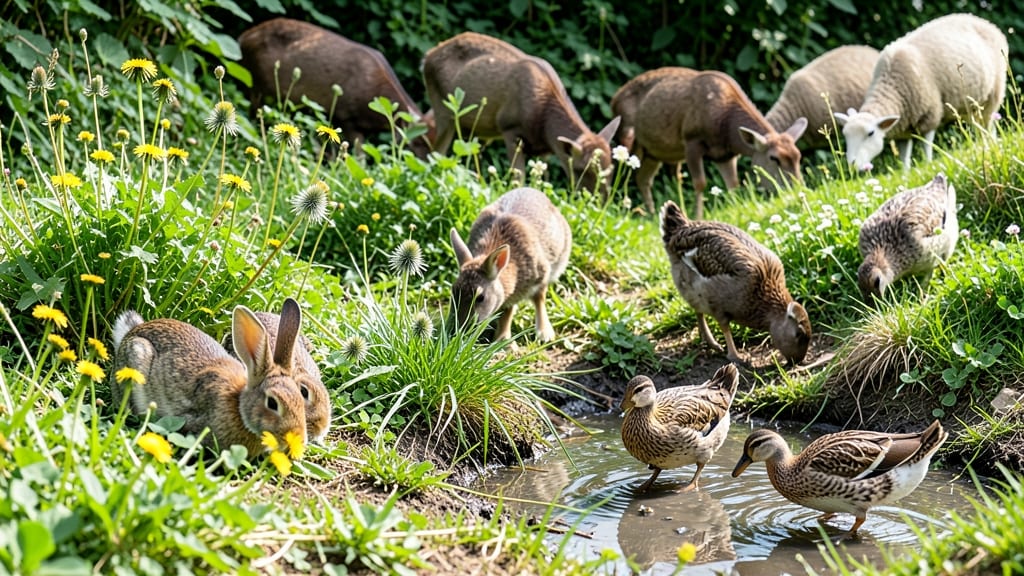
Animals that eat weeds—such as rabbits, deer, goats, chickens, and insects like grasshoppers and beetles—act as natural garden allies by reducing unwanted plant growth through their feeding habits.
These creatures play a crucial role in maintaining ecological balance by targeting specific weeds that might otherwise dominate your garden. 🌱 For example, goats are particularly effective against invasive species like kudzu, while chickens excel at controlling small weeds in lawns and flower beds.
The key is understanding which animals align with your garden's needs—whether you're dealing with broadleaf weeds, grasses, or stubborn invasives.
What makes this approach so valuable is that it eliminates the need for chemical herbicides while promoting biodiversity. Many of these animals also contribute to soil health through their natural fertilization processes, creating a self-sustaining ecosystem. However, proper management is essential to prevent overgrazing or unintended damage to desirable plants.
💡 In This Article
- How Different Animals Control Weeds Naturally
- Best Weed-Eating Animals for Your Garden Type
How different animals control weeds naturally
Rabbits are selective grazers that focus primarily on broadleaf weeds like dandelions and clover, avoiding grasses that contain high silica levels.
Their teeth are designed to shear plant stems cleanly, allowing them to consume up to 10% of their body weight daily in fresh vegetation. 🌿 This makes them particularly effective in lawns and flower beds where broadleaf weeds dominate.
Their grazing habits also stimulate new growth in desirable plants by preventing weeds from competing for nutrients.
Goats, on the other hand, are true generalists with a palate that includes nearly any plant material, including tough invasives like kudzu and multiflora rose. Their four-chambered stomachs allow them to digest cellulose-rich plants that most herbivores avoid.
A single goat can consume 3-5% of its body weight per day, making them ideal for large properties or agricultural settings where weed suppression is needed over wide areas. Their ability to target both woody and herbaceous plants sets them apart from more specialized grazers.
Chickens take a different approach by pecking at weeds at ground level, particularly in lawns and garden beds. They're most effective against small weeds and seedlings, often consuming 20-30 weeds per hour while also controlling pests like slugs and insects.
Their scratching behavior aerates the soil, which can actually help desirable plants grow while suppressing weed seeds from germinating. The key is to use them in designated areas rather than letting them roam freely to prevent overgrazing of young plants.
Insects like grasshoppers and beetles play a crucial ecological role by targeting specific weed species during their larval stages. For example, the milkweed beetle specializes in milkweed plants, while certain grasshopper species prefer broadleaf weeds over grasses.
These insects typically consume 10-50% of their body weight daily in plant material, with some species capable of defoliating entire weed patches during outbreaks. Their activity peaks during warm months, aligning perfectly with when many weeds are most competitive.
What makes these animals particularly effective is their natural preference for weeds over cultivated plants. Rabbits, for instance, avoid grasses due to their high silica content, while goats instinctively target plants with higher nitrogen content—often the same weeds that gardeners find most problematic.
This selective feeding creates a natural balance where desirable plants thrive while weeds are systematically reduced without chemical intervention.
Consider the environmental conditions too—animals like rabbits and chickens thrive in cooler climates where weeds grow aggressively, while goats can handle harsher conditions and even help control weeds in semi-arid regions.
Their presence also supports pollinators by maintaining plant diversity, creating a more resilient garden ecosystem that requires less human intervention over time.