
How To
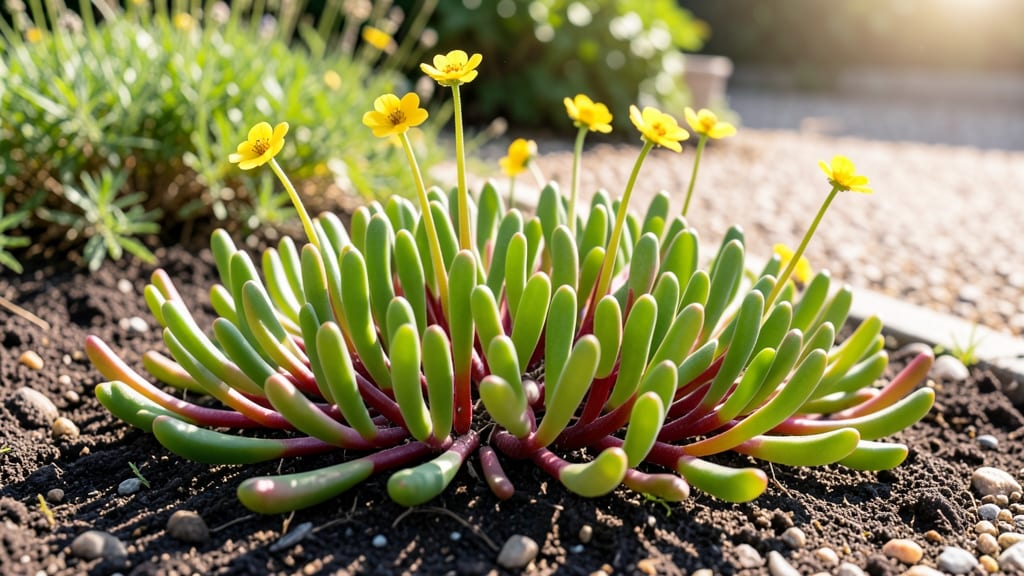
Pigweed is a fast-growing, nutrient-rich green often mistaken for a weed but highly valued in permaculture and survival gardening for its edible leaves and seeds, thriving in poor soil conditions and hot climates.
Pigweed belongs to the amaranth family and is sometimes called "wild spinach" due to its leafy greens packed with iron, calcium, and protein. 🌱 Unlike true weeds, it's a powerhouse plant that grows aggressively in neglected soil, making it a lifesaver in survival scenarios.
The key to identifying it is its broad, arrow-shaped leaves and distinctive red stems—traits that set it apart from invasive weeds like crabgrass. Many foragers harvest it young for salads or cook it like spinach, while its seeds can be toasted and ground into a gluten-free flour alternative.
What makes pigweed truly unique is its resilience—it pops up in cracked pavement, disturbed soil, and even drought-prone areas where other plants struggle. This adaptability is why permaculturists and homesteaders plant it intentionally as a nitrogen-fixing companion crop.
The downside? Some varieties contain oxalates, so moderation is key if you have kidney issues. For best results, harvest leaves before flowering and avoid plants near roadsides, as they may absorb heavy metals.
💡 In This Article
- Botanical Traits and Growth Habits of Pigweed
- Edible Uses and Harvesting Tips for Pigweed
Botanical traits and growth habits of pigweed
Pigweed belongs to the amaranth family (Amaranthaceae), specifically the genus Amaranthus, and is scientifically known as Amaranthus retroflexus or Amaranthus blitoides. Its broad, lance-shaped leaves grow in a rosette pattern, reaching 1-4 inches wide with a slightly waxy texture that helps retain moisture in dry conditions.
The most distinctive feature is its reddish-purple stems, which develop as the plant matures—a key identifier that sets it apart from true weeds like crabgrass, which has thin, green stems. 🌿
The rapid growth habit of pigweed is what makes it so confusing for gardeners. Under ideal conditions, it can sprout from seed to maturity in just 30-60 days, reaching heights of 1-3 feet.
This aggressive growth is an evolutionary adaptation: pigweed thrives in disturbed soils, often appearing in garden beds after tilling or in cracks of concrete.
Its deep taproot system (up to 2 feet long) allows it to access water and nutrients in poor-quality soil, making it a pioneer plant that stabilizes barren areas. This ecological role is why permaculturists intentionally cultivate it—it enriches soil by preventing erosion and adding organic matter.
What most people don’t realize is how pigweed’s growth pattern changes with environmental stress. In hot, dry climates (like the American Southwest), it grows more compactly with smaller leaves, while in moist, temperate regions, it develops taller and bushier.
The plant also produces thousands of tiny seeds per stalk, which can remain dormant in the soil for 10+ years, waiting for the right conditions to sprout. This seedbank resilience is why it’s so persistent—once established, it’s nearly impossible to eradicate without persistent cultivation. 🔥
Another fascinating trait is its photosynthetic efficiency. Pigweed uses a process called C4 photosynthesis, which allows it to thrive in high-light, high-temperature environments where many other plants wilt. This is why it’s often found in urban heat islands, parking lots, and neglected fields—it outcompetes less adaptable species.
The plant’s leaves also contain anthocyanins, the same pigments that give red cabbage its color, which help protect it from UV radiation. These pigments also contribute to its slightly earthy, spinach-like flavor when cooked.
Identifying pigweed correctly is crucial because some lookalikes, like purslane (Portulaca oleracea), are also edible but have succulent, jelly-like stems, while others, like smartweed (Persicaria spp.), have arrow-shaped leaves but grow in wetter conditions.
Pigweed’s hairless leaves and opposite branching pattern (where leaves grow directly across from each other on the stem) are telltale signs. Foragers often use the "thumb test"—if the stem snaps cleanly and the leaves feel slightly rubbery when young, it’s likely pigweed. 💫
Ecologically, pigweed plays a dual role. While it’s often seen as a nuisance in agricultural fields (where it can reduce crop yields by 30-50% if unchecked), it’s also a pollinator magnet, attracting bees and beneficial insects with its small, green flowers.
Its ability to fix nitrogen in the soil makes it a valuable companion plant for vegetables like tomatoes and peppers, which thrive in its enriched surroundings. This duality is why permaculture experts embrace it—not as a weed, but as a functional, edible ground cover.