
How To
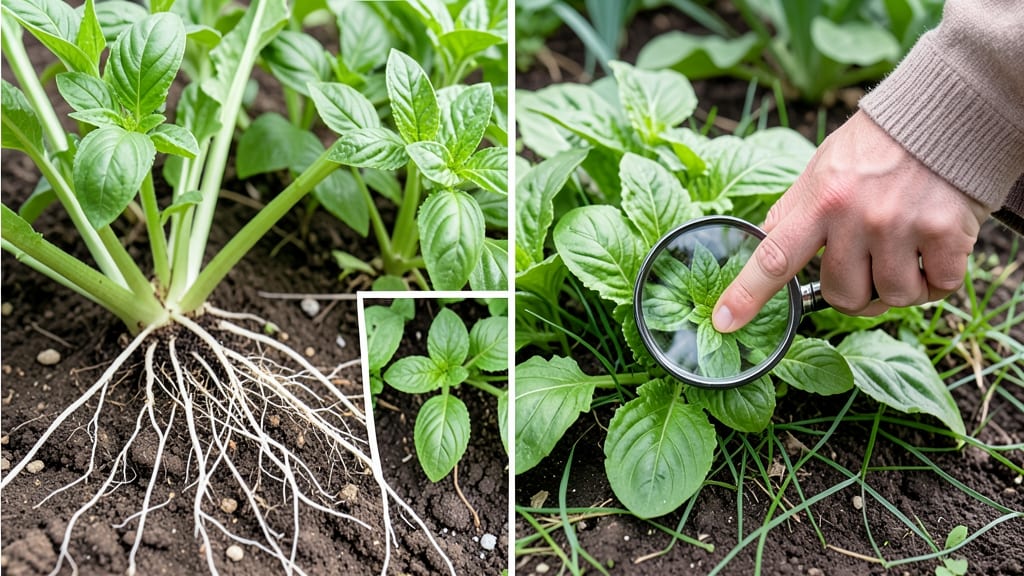
Weed refers to the Cannabis sativa plant, a fast-growing annual with broad leaves and small, resinous flowers, commonly cultivated for fiber, seed oil, and psychoactive compounds like THC and CBD. Its classification as a weed depends on context—agricultural, medicinal, or recreational—though the term often carries negative connotations despite its botanical and economic value.
When people ask what is weed, they're usually referring to the versatile Cannabis sativa plant, which has been used for thousands of years across cultures for its fibers, seeds, and medicinal properties. 🌱 The term "weed" itself is misleading—this plant is actually a hardy annual that thrives in diverse climates, producing everything from hemp (used in textiles and construction) to marijuana (known for its psychoactive effects).
What makes it fascinating is how its chemical profile changes based on cultivation methods, with some strains bred specifically for high CBD content (non-psychoactive) while others focus on THC (the compound responsible for the "high").
The confusion around weed stems from its dual nature: it's both a valuable agricultural crop and a controlled substance in many regions. While hemp varieties with low THC are legal in many places, other cannabis strains remain heavily regulated.
This legal gray area has led to widespread misinformation, but understanding the plant's basic biology—like its distinct leaf shapes or how different species interact with light—can help separate fact from fiction.
💡 In This Article
- Botanical Breakdown: Cannabis Plant Anatomy and Species
- Growing Cannabis: Legal, Cultivation Tips, and Strain Selection
Botanical breakdown: cannabis plant anatomy and species
The Cannabis sativa plant thrives as a dioecious annual, meaning individual plants are either male or female, with females producing the coveted resinous buds.
Its anatomy is surprisingly complex: the roots can extend up to 6 feet deep to access water, while the stem contains vascular bundles that transport nutrients and water at speeds reaching 1 meter per hour.
The broad, serrated leaves—typically 5-9 finger-like segments—maximize photosynthesis, though their shape varies slightly between species.
Cannabis sativa (tall, fibrous, and uplifting) differs from Cannabis indica (shorter, bushier, and sedating) in both genetics and cannabinoid profiles. For example, sativa strains like "Durban Poison" often contain 18-24% THC with lower CBD levels, while indica varieties like "Granddaddy Purple" may have 16-20% THC but higher CBD in some cases. Cannabis ruderalis—the third species—stays under 2 feet tall and produces minimal THC but excels in auto-flowering traits, making it ideal for northern climates.
The plant's flowers, or buds, are where the magic happens. Trichomes—tiny, mushroom-shaped glands—cover the buds and produce cannabinoids like THC and CBD through a process called resin secretion.
These glands are most concentrated on the calyx (flower base), where temperatures must stay between 68-77°F during flowering to optimize resin production.
Outdoor-grown cannabis in regions like California's Emerald Triangle benefits from 12-14 hours of sunlight daily, while indoor growers use LED lights with 400-700 nanometers spectrum to mimic natural conditions.
One common misconception is that all cannabis is "weed"—in reality, hemp (a Cannabis sativa variety with 0.3% THC or less) is a completely different agricultural crop. Hemp's long, strong fibers are used in textiles, paper, and even car parts, while marijuana strains are cultivated for their psychoactive properties.
The confusion arises because both share the same botanical family but serve entirely different purposes, much like how a tomato is both a fruit and a vegetable in culinary contexts.
Cultivation methods drastically alter the plant's characteristics. Indoor grows allow for precise control over humidity (40-50%) and CO₂ levels (1,200-1,500 ppm), resulting in denser buds with higher cannabinoid content.
Outdoor plants, however, develop more complex terpene profiles due to natural environmental stressors, like the piney aroma from myrcene in "Blue Dream" or the citrus notes from limonene in "Jack Herer." These variations explain why some strains taste like berries while others lean toward earthy or herbal profiles.
What most people don't realize is that cannabis was once a staple crop in the U.S. until the Marihuana Tax Act of 1937 criminalized it. Before that, hemp was used to make everything from rope to banknotes.
Today, the plant's versatility extends to medicine (CBD for epilepsy), textiles (hemp fabric), and even biofuel. Understanding these distinctions helps clarify why cannabis deserves recognition beyond its recreational stigma.
The plant's resilience is another fascinating aspect: cannabis can grow in USDA Hardiness Zones 3-11, adapting to temperatures from -4°F to 95°F. Its ability to thrive in poor soil conditions—even with minimal nutrients—makes it one of the most adaptable crops on Earth.
This hardiness is why ancient civilizations like the Scythians (7th century BCE) used cannabis for its medicinal properties, long before modern science could explain its mechanisms.