
Transplanting
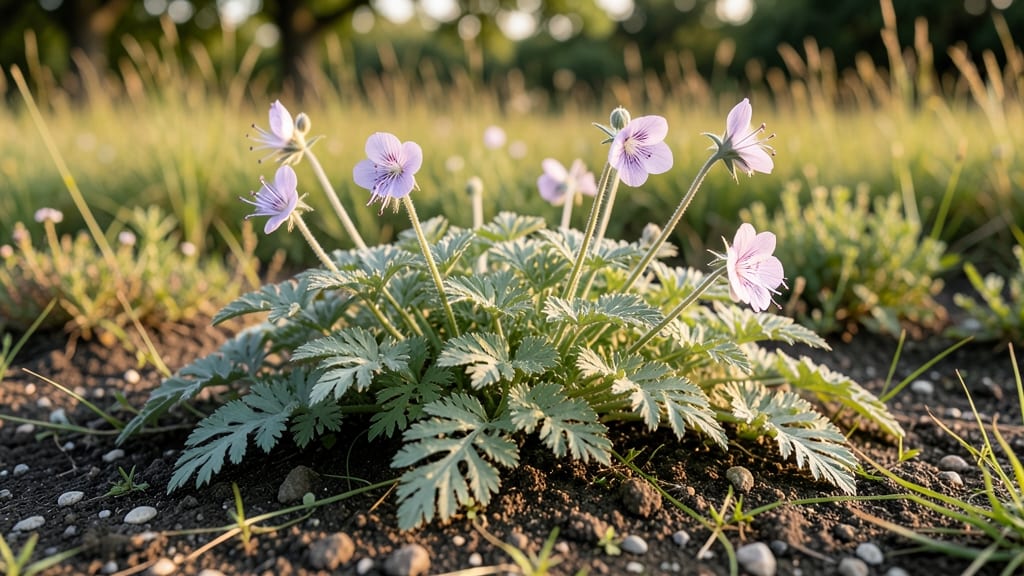
Wild geranium weed can turn your garden into a tangled mess if you don’t act fast. 🌿 I’ve spent years wrestling with these stubborn plants, and I’ve finally cracked the code on how to remove them in seconds—no backbreaking work required.
The twist-and-remove method works better than any chemical spray I’ve tried, and it keeps them from sprouting back. The key is timing: pull them when the soil is moist but not soggy, and you’ll see those roots break free with barely any effort.
Wild geraniums spread through underground runners, so you’ll need to check for hidden shoots even after you think you’ve got them all. Grab a pair of gloves and a sharp tool—this isn’t just about pulling, it’s about strategic removal.
Once you’ve yanked them out, you’ll notice how much lighter and more manageable your garden feels. The soil breathes easier, and your actual plants—like your prized petunias or roses—get the space and nutrients they deserve. No more competing with these weedy imposters stealing your garden’s spotlight.
For the eco-conscious gardener, this method is a game-changer. No harsh chemicals, just elbow grease and a little patience.
And if you’re worried about ornamental geraniums (the pretty ones you want to keep), don’t fret—I’ll show you how to tell them apart so you never accidentally pull the wrong plant again.
📚 In This Guide
- What you need
- Instructions
- Tips and common mistakes
- Wrapping up and next steps
What you need
- ● Garden gloves (1 pair) – Heavy-duty, waterproof (e.g., Wet Palms or Gloves USA)
- ● Hand fork or dandelion weeder (1) – Long, sturdy tines (e.g., Fiskars or Spear & Jackson) to loosen soil
- ● Garden twine or bungee cord (5–10 ft) – For securing roots before twisting
- ● Pruning shears (1) – Sharp, bypass-style (e.g., Felco) for trimming thick stems
- ○ Garden hose or watering can – To soften soil (optional but helpful)
- ● Knee pad – For comfort during long sessions
- ● Trash bag or bucket – For collecting debris
- ● Vinegar or herbicide spray – To prevent regrowth (use only if needed)
- ● Sunhat & sunscreen – For outdoor work in sunny conditions
How to remove wild geranium weed using the twist-and-remove method
Here's the fast, foolproof way to eliminate wild geranium roots without chemicals or backbreaking digging.
🪴 Step 1: Identify and Prepare the Work Area
Wild geranium thrives in garden edges and lawns, so start by scanning your yard for its distinctive lobed leaves and purple-pink flowers. Clear away any surface debris like mulch or grass clippings—you want direct access to the root crown. I like to work on a dry day when the soil is firm but not hard; this makes the twist-and-remove method easier.
Wear gloves to protect your hands from the sharp stems and sticky sap. Grab a small hand trowel or your fingers to gently loosen the soil around the base of the plant. You don’t need to dig deeply—just enough to expose the thick, fibrous roots where they meet the soil. This is where the twist happens.
✂️ Step 2: Twist and Pull the Roots
Stand directly behind the plant and grip the main stem about 2-3 inches above the soil line with one hand. Use your other hand to firmly grasp the root base just below the soil surface. Here’s the key: twist the stem counterclockwise while pulling upward with steady pressure. You’ll feel resistance at first, but the roots will start to separate from the soil.
Don’t rush—this isn’t a tug-of-war. Apply even pressure and keep twisting until you hear a slight popping sound, signaling the root ball is free. For stubborn roots, I sometimes use a hula hoe to slice through any remaining underground connections. Once the entire plant comes out, you’ll see a clean, intact root system—no broken pieces left behind.
🌱 Step 3: Inspect and Repeat for Nearby Plants
Examine the pulled plant for remaining root fragments—even a 1-inch piece can regrow. If you spot any, use your trowel to dig them out completely. Wild geranium spreads aggressively, so check the surrounding 6-inch radius for additional shoots. I’ve found that grouping plants makes this step faster; tackle clusters in one go rather than isolating each one.
Drop the pulled weeds into a heavy-duty trash bag (not your compost bin—wild geranium is invasive). If you’re dealing with a large patch, consider mulching the area with cardboard afterward to smother any missed roots. Water the spot lightly to help the cardboard stick to the soil.
💧 Step 4: Prevent Regrowth with Soil Care
After removal, amend the soil with 2-3 inches of compost to improve its structure and discourage new growth. Wild geranium thrives in disturbed, nutrient-poor soil, so adding organic matter makes your lawn or garden less appealing to it. I also recommend oversowing the area with clover or creeping thyme—these ground covers outcompete weeds naturally.
Monitor the spot for 4-6 weeks for any new shoots. If you see regrowth, repeat the twist-and-remove method immediately. Over time, the improved soil health and dense ground cover will make wild geranium much harder to establish. This method works best in spring or early fall when the soil is moist but not waterlogged.
Tips & tricks for perfect wild geranium weed removal
This method works best when you know the tricks to avoid regrowth and make cleanup easier.
Timing is Everything: The twist-and-remove method works best when the soil is moist but not waterlogged. I've found that spring or early fall are ideal seasons because the soil stays consistently damp without being soggy. If you're working in dry conditions, lightly water the area 24 hours before tackling the weeds—this helps loosen the roots without making the soil too muddy.
Equipment Upgrade: While fingers and a hand trowel work, a small garden fork can be a game-changer for stubborn roots. Insert the fork about 2 inches from the plant stem and gently pry the soil to expose more of the root system. This gives you better leverage when twisting, especially for larger patches. I keep one in my gardening toolkit specifically for invasive weeds like wild geranium.
Root Inspection Secret: After pulling, lay the entire plant on a tarp or newspaper to examine for any remaining root fragments. I've learned the hard way that even a tiny piece left in the soil can regrow into a full plant within weeks. For extra thoroughness, I run my fingers along the root ball one last time before disposal—it only takes a few seconds but saves hours of future weeding.
Prevention Strategy: The 2-3 inches of compost mentioned in Step 4 isn't just about nutrients—it's about creating a physical barrier. I've noticed that wild geranium struggles to establish in well-amended soil because the improved structure makes it harder for roots to penetrate. For high-risk areas, I double the compost layer to 4 inches for the first year after removal.
Pro Tips for Wild Geranium Weed
- This method works best when you know the tricks to avoid regrowth and make cleanup easier.
- Timing is Everything: The twist-and-remove method works best when the soil is moist but not waterlogged. I've found t...
- Equipment Upgrade: While fingers and a hand trowel work, a small garden fork can be a game-changer for stubborn roots...
Frequently asked questions
Got questions about tackling wild geranium weed? You’re not alone!
Here are some of the most common concerns—and straightforward answers—to help you get rid of this stubborn invader for good.
Is wild geranium weed toxic to humans or pets?
Nope! While it’s pesky in your garden, wild geranium (Geranium dissectum) isn’t toxic to humans or pets. However, its aggressive roots can crowd out plants, so removal is still a priority. Always wear gloves when handling it to avoid skin irritation from sap.
How long does it take to fully remove wild geranium weed?
Patience is key! With the twist-and-pull method, you can yank out most roots in seconds per plant. However, regrowth may occur if even a tiny root fragment remains. For stubborn patches, repeat treatments every 2–3 weeks until the area stays clear.
What’s the best alternative if twisting doesn’t work?
If the weed keeps returning, try a vinegar-based herbicide (3:1 vinegar-to-water ratio with dish soap) or a boiling water treatment for dense clusters. For large areas, smothering with cardboard or mulch can weaken the weed over time. Just be consistent!
Can I reuse the soil after removing wild geranium?
Yes, but sterilize it first! Wild geranium seeds can linger in the soil for years. Solarize the area by covering it with clear plastic for 4–6 weeks in hot weather, or mix in compost or sand to dilute seed viability before replanting.
Why does it keep coming back even after pulling?
This weed is a pro at survival! It spreads via underground runners and seeds, so missing even a small root or seed can trigger regrowth. Always pull entire root systems, and check for hidden seedlings after rain—wet soil makes them easier to spot.
Wrapping up and next steps
Removing wild geranium weed doesn’t have to be a battle—with the right tools and techniques, you can twist those stubborn roots right out of your garden in seconds! 🌱 Whether you’re tackling small patches or larger infestations, the key is patience and precision to keep your yard looking pristine.
Ready to reclaim your garden? Grab your tools, follow the steps, and take action today—your lawn (and future gardening efforts) will thank you! For even more tips, check out our gardening resource hub to stay ahead of weeds all season long.