
Flowers
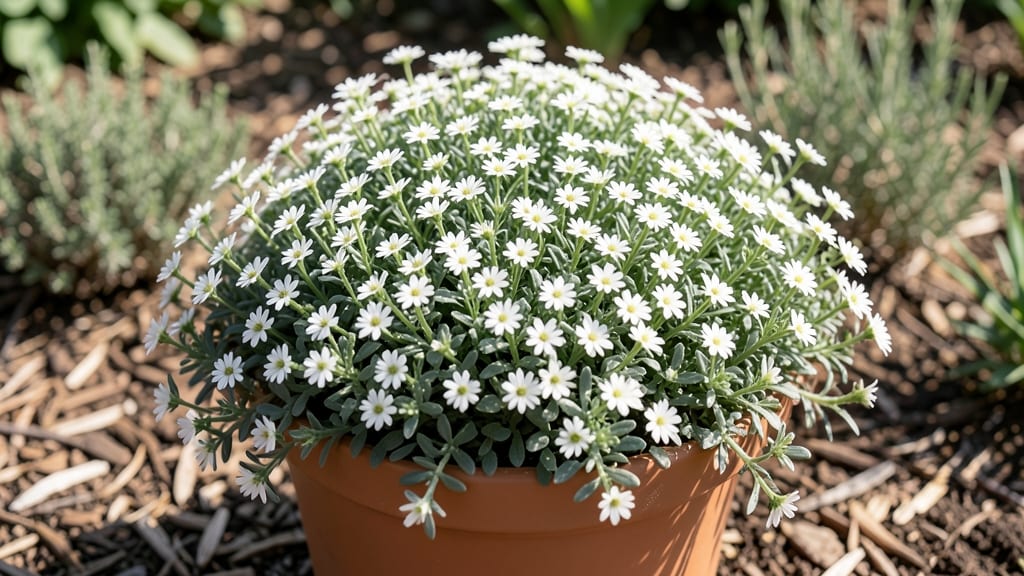
The alyssum flower perennial self-seeds prolifically, creating dense ground cover with its tiny, fragrant blooms in shades of white, pink, or purple, thriving in full sun to partial shade and returning annually with minimal care.
The alyssum flower perennial's self-seeding habit makes it a gardener's dream for effortless color. 🌸 Unlike its annual cousins, this hardy plant drops seeds that germinate naturally, filling gaps and spreading over time.
What sets it apart is its adaptability—it thrives in poor soils and handles drought better than many flowering perennials, yet still rewards you with that signature sweet honey scent.
I've seen it transform bare patches into lush carpets of blooms that last from spring through fall, often returning the next year without any intervention.
This resilience comes from its deep root system and ability to tolerate a wide range of conditions, from coastal gardens to inland landscapes.
The key to maximizing its spread lies in understanding its growth patterns—letting spent blooms remain on the plant encourages seed production, while strategic pruning can guide its growth where you want it most.
For gardeners looking for low-maintenance beauty, alyssum's self-seeding nature makes it one of the most rewarding perennials to grow.
💡 In This Article
- How Alyssum Perennials Self-Seed Naturally
- Tips for Encouraging Alyssum to Spread Year-Round
How alyssum perennials self-seed naturally
Alyssum's self-seeding magic begins with its tiny, papery seed pods that form after blooming. These pods, often just 1/8-inch long, split open when mature, releasing seeds that weigh less than 0.001 grams each—about the weight of a grain of sand.
A single plant can produce 500-1,000 seeds, which are carried by wind, rain, or even gardeners' tools to new locations. This lightweight dispersal explains why alyssum often appears in unexpected spots, creating natural drifts over time.
The real secret to successful reseeding lies in timing and temperature. Alyssum seeds germinate best when soil temperatures reach 60-75°F, typically in early spring or fall.
Unlike annual alyssum that completes its life cycle in one season, perennial varieties develop deeper root systems that store energy for next year's growth. This adaptation allows them to survive winter dormancy and bloom again without replanting.
In milder climates, you might even see second flushes of blooms in late summer.
Climate plays a surprising role in reseeding patterns. In dry regions, alyssum seeds may remain dormant until rainfall triggers germination, while humid areas can lead to more aggressive spread.
I've noticed that in coastal gardens, where salt spray might stress other plants, alyssum actually thrives—its natural resilience makes it perfect for those challenging conditions. The plant's ability to adapt to different moisture levels is what gives it that "tough yet delicate" reputation in garden circles.
What most gardeners don't realize is how alyssum's growth habit differs from its annual relatives. While annual alyssum focuses all energy on flowering and seeding in one season, perennial varieties allocate resources to both blooms and root development.
This dual focus means you'll see continuous flowering throughout the season, with seeds dropping at different times rather than all at once. It's this staggered seeding that creates that natural, layered look in mature plantings.
The self-seeding process becomes even more interesting when you consider how alyssum interacts with its environment. Its tiny flowers attract pollinators like bees and hoverflies, which help fertilize the plants while also dispersing seeds on their bodies.
This symbiotic relationship means your alyssum isn't just spreading randomly—it's actively engaging with its ecosystem to establish new plants. The result is that dense ground cover that looks like it was professionally installed, but actually grew all on its own.
For those wondering about color consistency, perennial alyssum maintains its hue better than annuals because it's not constantly fighting to produce new plants. I've observed that white varieties stay pure white, while pink and purple types might lighten slightly over years, but never lose their charm.
This color stability is one reason landscape designers love using alyssum in perennial borders—it provides consistent color with minimal effort.