
Diseases
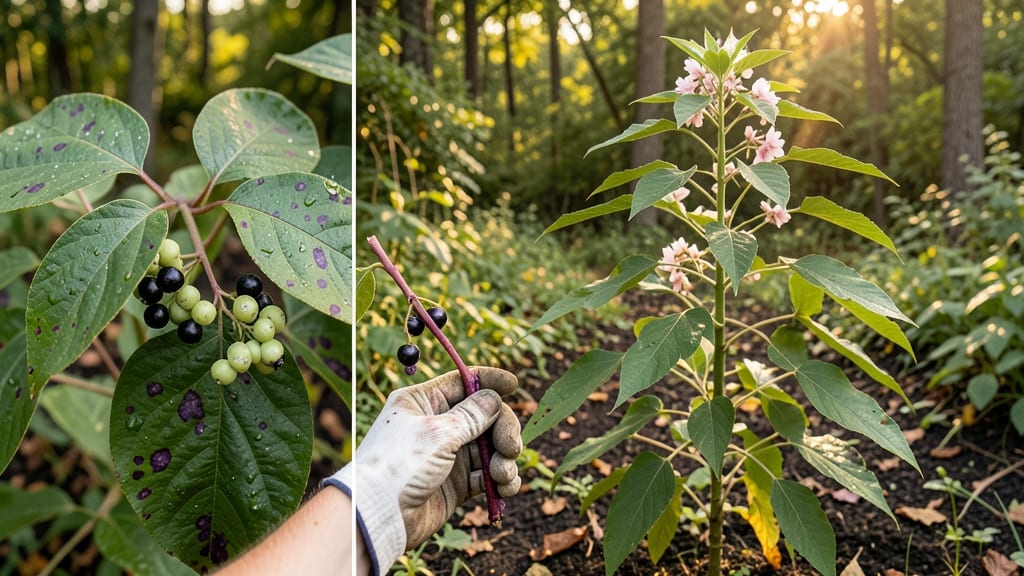
American pokeweed rash usually clears up within 7 to 14 days, though scratching can prolong recovery. The itching, redness, and blisters typically worsen within the first 48 hours before gradually improving. Seek medical help if the rash spreads rapidly, appears on your face, or causes fever and swelling.
American pokeweed rash occurs when the plant's tiny, invisible hairs—loaded with irritating sap—pierce your skin, triggering an allergic reaction. 🌿 The symptoms often mimic poison ivy but can be more intense due to the plant's widespread presence in gardens and wild areas.
While most cases resolve on their own, avoiding scratching is key to preventing secondary infections and speeding up healing.
For immediate relief, I recommend applying cool compresses to reduce swelling and itching, while over-the-counter antihistamines can help control the allergic response. If blisters form or the rash covers large areas, a doctor may prescribe stronger treatments like hydrocortisone cream or oral steroids.
Always wash clothing and tools after contact with pokeweed to avoid spreading the irritants.
💡 In This Article
- What Causes American Pokeweed Rash and How It Spreads
- Home Remedies and Doctor Visits: Managing Pokeweed Rash
What causes American pokeweed rash and how it spreads
The culprit behind American pokeweed rash is the plant Phytolacca americana, which produces microscopic, glass-like hairs called urticating hairs. These hairs contain caustic sap that triggers an allergic reaction when they pierce your skin.
The sap releases a chemical called phytolaccatoxin, which causes inflammation and itching similar to poison ivy but often more intense. 🌿 Unlike poison ivy, which requires direct skin contact, pokeweed's irritants can also spread through indirect contact—like touching contaminated clothing, tools, or even pets that have brushed against the plant.
Symptoms typically appear within 12 to 48 hours of exposure, starting with redness and itching that quickly escalate to blisters or welts. The rash often follows the pattern of contact, forming streaks or patches where the hairs made contact.
Pokeweed's sap is so potent that even broken stems or crushed leaves can release irritants into the air, causing reactions without direct skin contact. This makes it especially problematic in gardens, where the plant is often mistaken for a decorative shrub due to its attractive purple berries.
What sets pokeweed apart is its widespread presence—it thrives in disturbed soils, roadsides, and even urban areas, making accidental exposure common. The plant's height (up to 10 feet) and dense foliage mean children and pets are particularly vulnerable.
Unlike poison ivy, which has a distinctive "leaves of three" warning, pokeweed's large, oval leaves can be easily overlooked, leading to more frequent and severe reactions. The sap remains active even after the plant is cut or dried, so proper disposal is critical.
If you suspect pokeweed exposure, act fast: wash the affected area with soapy water within 10 minutes to remove residual sap before it binds to your skin. The longer the sap stays on your skin, the deeper it penetrates, making the reaction more severe.
This is why gardeners and landscapers often report worse reactions—they're more likely to handle the plant directly or for extended periods. 💥 Even a single contact can trigger symptoms in sensitive individuals, while repeated exposure may lead to more persistent or severe rashes.
The rash's progression follows a predictable pattern: initial redness (erythema) within 6-12 hours, followed by intense itching as the immune system reacts to the phytolaccatoxin. Blisters may form within 24-48 hours, peaking at 3-5 days before gradually resolving.
The key difference from poison ivy is that pokeweed rashes often involve more widespread swelling and a higher likelihood of secondary infections due to the sap's corrosive nature.