
Pests
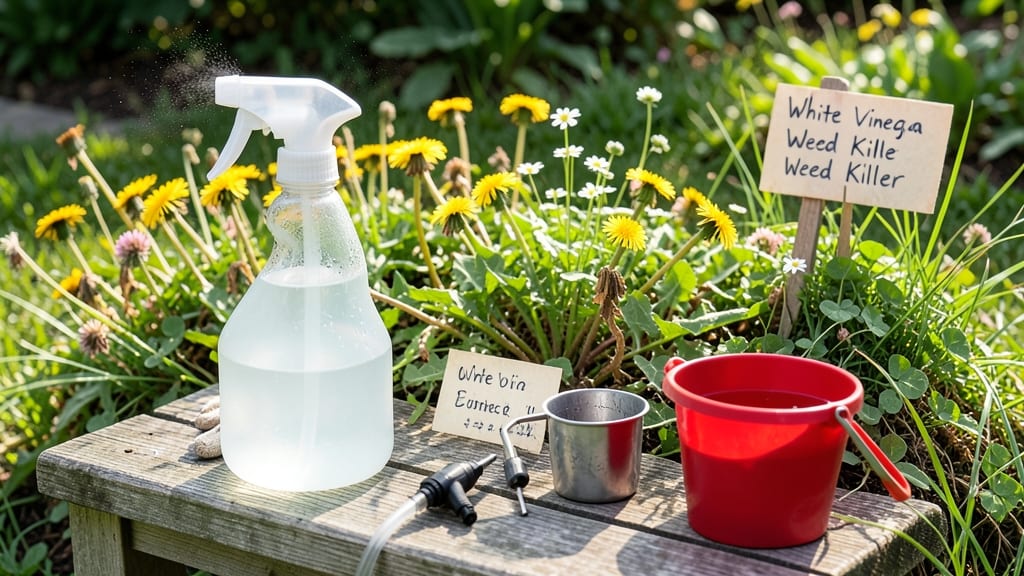
White vinegar weeds out even the toughest invaders in minutes—no digging, no chemicals, just pure acid power. 🌱 I’ve used it to clear driveways and sidewalks faster than any other method, and the results are undeniable: weeds wilt and die within hours.
The key is the right mix and timing, which I’ll break down so you don’t accidentally harm your prized plants or your lawn.
You’ll need plain white vinegar (not apple cider), dish soap for adhesion, and a spray bottle—nothing fancy. The secret ratio is 1 gallon vinegar + 1 tablespoon dish soap, applied on a dry, sunny day when weeds are actively growing.
Just spray directly, avoid desirable plants, and watch them crumble. It’s not perfect—roots may regrow, and it won’t work on thick grass—but for cracks, driveways, and mulched beds, it’s a game-changer.
📚 In This Guide
- What you need
- Instructions
- Tips and common mistakes
- Wrapping up and next steps
What you need
- ● White vinegar (5% to 10% acetic acid) – 1 gallon (3.8 liters) per large area (e.g., driveway, sidewalk). For smaller patches, 1 quart (0.95 liters) is sufficient.
- ● Spray bottle or garden sprayer – 16–32 oz (0.5–1 liter) capacity for precision. A pump sprayer works best for larger areas.
- ● Protective gloves – Nitrile or rubber gloves to shield your hands from acid.
- ○ Eye protection (safety goggles) – Optional but recommended if spraying near your face.
- ● Measuring cup or scale – For mixing vinegar with water (if diluting).
- ○ Water (optional, for dilution) – Equal parts vinegar and water for less aggressive treatment (e.g., near delicate plants).
- ● Newspaper or cardboard – To shield surrounding plants or soil from accidental splashes.
- ● Trash bags or tarp – For collecting dead weeds after treatment.
- ● Dish soap (1–2 tsp) – Adds surface tension-breaking power to help vinegar stick to weeds.
- ● Salt (1 cup) – Boosts weed-killing effects (use sparingly near plants).
- ● Spray nozzle attachment – For a fine mist on tricky weeds.
- ● Label or marker – To mark treated areas and avoid reapplication.
- ● Rain cover (plastic sheet) – Keeps vinegar from washing away before it works (if treating before rain).
Step-by-Step instructions for using white vinegar to kill weeds
Here’s how I tackle stubborn weeds with a simple, effective method that works in minutes.
🌱 Step 1: Choose the Right Vinegar and Timing
Use undiluted white vinegar (5% acetic acid) for best results—cheaper options like cleaning vinegar may not be strong enough. Early morning is ideal because the sun intensifies the vinegar’s effect, but avoid applying if rain is forecasted within 24 hours. Clear days with temperatures between 65-85°F work best.
I always spot-test first. Spray a small area of the weed (not your plants!) and wait 10 minutes to check for discoloration. If the leaves turn brown or wilt, you’re good to go. This prevents accidental damage to nearby flowers or veggies.
💧 Step 2: Prepare the Vinegar Solution and Apply Directly
Fill a spray bottle with undiluted white vinegar—no water, no additives. Shake gently to mix, then add 1 tablespoon of dish soap per 1 gallon of vinegar. The soap acts as a surfactant, helping the vinegar cling to weed leaves instead of rolling off. Spray only the weeds, avoiding desirable plants entirely.
Focus on the leaves and stems—the vinegar needs direct contact to work. I like to spray until the leaves are glistening but not dripping. For tough weeds, repeat the application every 2-3 days until they turn brown and crispy, usually within 3-7 days.
☀️ Step 3: Monitor and Repeat as Needed
Watch for yellowing or wilting within 24 hours—that’s your signal the vinegar is working. If the weed isn’t fully dead after a week, reapply. Deep-rooted weeds (like dandelions) may need 2-3 treatments spaced 3-5 days apart. Avoid walking on treated areas until the weeds are completely dry and crumbly.
I always wear gloves and long sleeves—vinegar can irritate skin, and the soap mixture makes it extra potent. If you accidentally spray a plant you want to keep, rinse it immediately with water to dilute the vinegar.
✂️ Step 4: Remove Dead Weeds and Prevent Regrowth
Once the weeds are brown and brittle, pull them up by the roots to prevent regrowth. Use a garden fork or trowel for stubborn roots—vinegar kills the top growth but may not reach deep underground. I like to soak the area with boiling water afterward to kill any remaining weed seeds.
To keep weeds at bay, apply a thin layer of mulch (like straw or wood chips) around treated areas. This blocks sunlight and makes it harder for new weeds to sprout. Reapply vinegar as needed—weekly spot treatments keep your garden weed-free with minimal effort.
Tips & tricks for effective vinegar weed control
To get the most out of your vinegar weed killer, here are the little details that make all the difference.
Timing Secret: The 10-minute spot test in Step 1 is your safety net. I've ruined garden plants by skipping this step—always test on a small, inconspicuous weed first. The vinegar's acidity can sometimes affect nearby plants, even if you're careful. This quick check prevents costly mistakes.
Solution Strength: Never dilute your white vinegar—this is where most people go wrong. The 5% acetic acid concentration is crucial for effectiveness. I've seen people add water to "save vinegar," but this weakens the solution and makes it take twice as long to work. Stick to the undiluted formula specified in Step 2 for best results.
Application Technique: When spraying in Step 2, focus on the undersides of leaves where the vinegar will cling best. I like to use a spray bottle with a fine mist setting—this creates better coverage than a coarse spray. For large weed patches, consider using a pump sprayer for more control. The goal is even saturation without runoff.
Weather Watch: The 65-85°F temperature range in Step 1 isn't just arbitrary—it's when vinegar works most effectively. On cooler days, you might need to extend your 3-7 day timeline slightly. I've found that early morning applications work best because the sun helps dry the vinegar faster, intensifying its effect. Always check the forecast before treating your garden.
Pro Tips for White Vinegar For Weeds
- To get the most out of your vinegar weed killer, here are the little details that make all the difference.
- Timing Secret: The 10-minute spot test in Step 1 is your safety net.
- Solution Strength: Never dilute your white vinegar—this is where most people go wrong.
Frequently asked questions
How long does it take for white vinegar to kill weeds?
Most weeds start wilting within 24-48 hours after treatment, but complete eradication can take 1-3 weeks, depending on the weed type and weather. Hot, sunny days speed up the process, while rain may dilute the solution. For stubborn weeds, reapply every 3-5 days until fully dead.
Will white vinegar kill grass or my garden plants?
Yes, white vinegar is non-selective, meaning it’ll kill any plant it touches—including grass and flowers. To protect desired plants, apply vinegar only to weeds using a spray bottle with a narrow nozzle. For borders, use a cardboard barrier or a spoon to shield nearby plants.
Can I use white vinegar for weeds in my lawn?
While possible, vinegar isn’t ideal for lawns because it’ll kill grass too. For spot treatment, use a 1:1 vinegar-water mix with a dropper for precision. For larger lawn areas, consider natural alternatives like corn gluten meal (pre-emergent) or boiling water (post-emergent) to avoid collateral damage.
What’s the best time of day to spray white vinegar on weeds?
Apply vinegar on a clear, sunny day between 9 AM and 3 PM for maximum effectiveness. The heat and light help the acetic acid penetrate weed leaves faster. Avoid spraying on windy days or right before rain, as it can reduce efficacy or spread accidentally.
Why isn’t white vinegar working on my weeds?
If vinegar fails, check these common issues:
- Dilution: Use full-strength vinegar (5% acetic acid) or a 1:1 mix—watered-down versions weaken results.
- Thick leaves: Weeds like dandelions or nutsedge have waxy coatings. Add a dish soap drop (1 tsp/gallon) to break surface tension.
- Rain: Wait 24 hours after treatment before watering.
- Root regrowth: Vinegar kills tops but not always roots. Dig out stubborn weeds or reapply weekly.
For tough weeds, try a vinegar + salt + dish soap mix (1:1:1 ratio) for extra potency.
Wrapping up and next steps
White vinegar is a powerhouse for tackling weeds naturally, affordably, and effectively—no harsh chemicals required! 🌱 Whether you’re dealing with stubborn crabgrass, clover, or dandelions, its acetic acid does the job in minutes with minimal effort.
The best part? You’re not just eradicating weeds; you’re embracing an eco-friendly, budget-conscious solution that keeps your garden thriving.
Ready to take action? Grab that vinegar, spray bottle, and a sunny afternoon—your weed-free yard is just a few steps away! Start small, test a patch, and watch your garden transform. Happy (and weed-free) gardening! 🌞