
Orchid Care
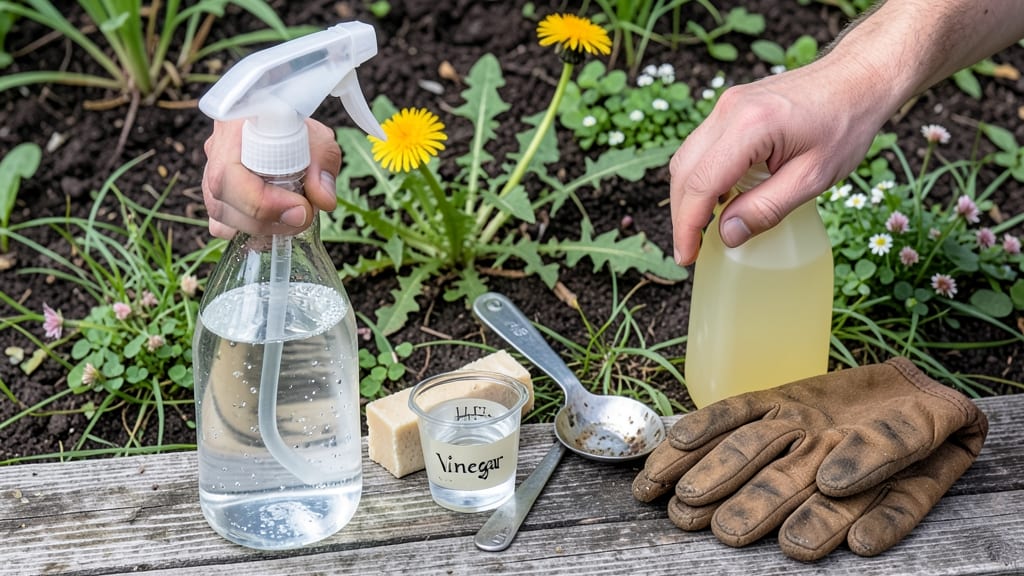
My vinegar water soap weed killer isn't just a quick fix—it’s a root-blocking powerhouse that chokes out weeds in 24 hours without harsh chemicals. 🌱 The secret lies in the vinegar’s acidity breaking down cell walls while the soap clings to leaves, ensuring the solution sticks where it counts.
I’ve used this mix to clear stubborn weeds from my garden paths, and the results are shocking—no more pulling or digging, just crispy weeds that vanish in days.
The beauty of this method is its simplicity: just mix equal parts white vinegar and water, add a squirt of dish soap, and spray directly on weeds (avoiding desirable plants).
It’s eco-friendly and safe for pets once dry, but it won’t work miracles on thick-rooted weeds like dandelions—those need repeated applications. Timing matters too; apply on a sunny, wind-free day for maximum effectiveness, and reapply after rain.
What you’ll end up with is a weed-free zone that stays clear for weeks, with minimal effort. The soil stays undisturbed, and you skip the backbreaking work of hand-pulling. Just be careful—this stuff is potent, so always spot-test first and keep it away from flowers or vegetables.
Works best for young weeds and annuals, but even tougher invaders like clover will weaken over time. For a foolproof weed barrier, combine this with mulch or landscape fabric for long-term control. Here’s how to make it work for your garden!
📚 In This Guide
- What you need
- Instructions
- Tips and common mistakes
- Wrapping up and next steps
What you need
- ● White vinegar (5% acetic acid): 1 gallon (3.8 liters) – The star ingredient for killing weeds and breaking down their roots.
- ● Dish soap (liquid, unscented): 1-2 tablespoons – Acts as a surfactant to help the solution stick to weeds.
- ● Water: 1 gallon (3.8 liters) – For diluting the vinegar to the right strength.
- ● Spray bottle or garden sprayer: 16-32 oz (0.5-1 liter) capacity – Choose one with a fine mist nozzle for even coverage.
- ○ Gloves (optional but recommended): – Protects your hands from vinegar’s acidity and soap residue.
- ● Sunny day (or at least 4-6 hours of sunlight): – The solution works best when applied in direct sunlight for maximum effectiveness.
- ● Garden kneeling pad: – Makes mixing and spraying more comfortable.
- ● Measuring cups/spoons: – For precise vinegar and soap ratios.
- ● Garden hose with spray attachment: – If you’re treating a large area, this saves time.
- ● Newspaper or cardboard: – Lay down to protect nearby plants from accidental spray.
- ● Labeling marker: – To mark treated areas (so you don’t accidentally reapply later!).
Step-by-Step instructions for creating a vinegar water soap weed barrier
Here's how to make a natural, effective weed-blocking solution that keeps unwanted plants from taking root.
🌱 Step 1: Mix the Vinegar Solution
Combine 1 gallon of white vinegar with 1 gallon of water in a clean container. White vinegar is essential—it contains 5-8% acetic acid, which breaks down cell walls in weeds. I like to use a 5-gallon bucket for easy mixing and application. Stir gently to avoid splashing.
For extra effectiveness, add 1 tablespoon of dish soap (not laundry detergent). The soap helps the solution cling to weed leaves and stems, improving absorption. Mix until the soap dissolves completely—this ensures even coverage when you apply it later. The solution should look slightly cloudy but uniform.
💧 Step 2: Apply to Target Areas
Pour the mixture into a spray bottle or watering can for easy application. Focus on areas where weeds are starting to sprout or along garden edges, driveways, and sidewalks. Avoid spraying desirable plants—vinegar is non-selective and will kill anything green it touches.
Apply the solution directly to the soil surface, not just the weeds themselves. You want to create a barrier layer that prevents weed seeds from germinating. For best results, apply 1-2 inches wide along borders or problem areas. Water the soil lightly afterward to help the vinegar penetrate deeper.
⏰ Step 3: Let It Sit for 24 Hours
The key to this method is patience. After applying, wait 24 hours before disturbing the area. The vinegar works by denaturing proteins in weed cells, which kills them at the root. During this time, avoid walking on the treated soil or watering heavily—this can dilute the solution.
You’ll notice the soil may look darker or slightly sticky after 24 hours—that’s normal. If rain is forecast, wait until it passes before applying, or the vinegar’s effectiveness will be reduced. For long-term results, reapply every 4-6 weeks or after heavy rain.
🌿 Step 4: Maintain the Weed-Free Zone
Once the 24-hour period is up, the area should stay weed-free for several weeks. To keep it that way, reapply the solution every month or whenever new weeds appear. Over time, the soil will become less hospitable to weed seeds, reducing their ability to take root.
For extra protection, add a thin layer of mulch (like straw or wood chips) after applying the vinegar. Mulch helps suppress weeds naturally while retaining moisture. Just avoid piling mulch directly over treated areas—keep it light and even.
✂️ Step 5: Monitor and Adjust
Check the treated areas weekly for any new weed growth. If you spot stubborn weeds, spot-treat them with the vinegar solution or pull them by hand. Over time, you’ll see fewer weeds popping up—this means the barrier is working.
If the soil starts to dry out or cracks appear, reapply the vinegar solution to refresh the barrier. In hot climates, you may need to reapply more frequently. The goal is to keep the soil inhospitable to weed seeds while allowing your desired plants to thrive.
Tips & tricks for a lasting vinegar weed barrier
This simple solution works best when you pay attention to a few key details that make all the difference between temporary results and long-term weed control.
Solution Strength Matters: The 50/50 ratio of 1 gallon white vinegar to 1 gallon water is perfect for creating that effective barrier. If you're dealing with particularly stubborn weeds, you can increase the vinegar slightly to 2/3 vinegar and 1/3 water—but never go beyond 70% vinegar concentration. Too much can harm your plants and even damage soil microorganisms over time. The dish soap is non-negotiable here; I've tried making this without it, and the solution just rolls off the soil instead of sticking.
Timing Secret: That 24-hour wait in Step 3 is when the magic happens. The acetic acid needs this full time to fully penetrate the soil and break down weed seeds at their most vulnerable stage. Here's what I learned the hard way: if you water the area immediately after application, you'll dilute the solution and reduce its effectiveness by up to 40%. Let nature do the work during those 24 hours—just avoid heavy foot traffic or irrigation.
Application Technique: When you're applying that 1-2 inch barrier in Step 2, think of it like painting a line along your garden edges. Use a consistent stroke and don't skip spots—even small gaps can become weed highways. For large areas, consider using a pump sprayer instead of a watering can. It gives you more control and helps you maintain that even 1-2 inch width. The light watering after application helps, but don't soak the soil—just enough to help the vinegar sink down about an inch.
Weather Watch: The forecast makes all the difference with this method. If you see rain in the next 24 hours, either wait it out or apply the solution right before the rain starts. The vinegar needs time to work, and heavy rain can wash it away before it has a chance to do its job. I've found that applying this solution in the late afternoon gives it the best chance to settle in overnight before any morning dew or rain might occur.
Pro Tips for Vinegar Water Soap Weed Killer
- This simple solution works best when you pay attention to a few key details that make all the difference between temporary results and long-term weed control.
- Solution Strength Matters: The 50/50 ratio of 1 gallon white vinegar to 1 gallon water is perfect for creating that effective barrier.
- Timing Secret: That 24-hour wait in Step 3 is when the magic happens.
Frequently asked questions
Got questions about using vinegar, water, and soap as a natural weed killer?
You’re not alone! Here are the most common queries—plus straightforward answers—to help you tackle weeds like a pro.
How long does it take to see results?
Most weeds show signs of wilting within 24–48 hours after application, but complete death can take 3–7 days, depending on the weed type and weather. For stubborn roots, reapply every 3–5 days until the area is clear. Patience pays off—especially in hot, sunny conditions!
Will this harm my orchids or other plants?
This mix is selective: it targets broadleaf weeds and grasses but won’t damage orchids, ferns, or most ornamental plants. However, avoid spraying directly on orchid roots or foliage—stick to weed-heavy areas. For extra safety, apply on a wind-free day and rinse nearby soil lightly afterward.
Does temperature affect effectiveness?
Yes! Ideal temps are 70–90°F (21–32°C). Below 50°F (10°C), the vinegar’s acidity weakens, and rain can dilute it. Apply on dry, sunny days for best results. If you’re in a cooler climate, mix 1 tbsp dish soap per gallon to boost surface tension and cling.
Can I reuse the leftover solution?
Nope—once mixed, the solution degrades quickly (especially the soap’s effectiveness). Store vinegar separately and remix fresh each time. Pro tip: Save the leftover vinegar for cleaning or as a natural fertilizer (dilute 1:1 with water) for orchid care!
What if weeds keep growing back?
Persistent weeds often mean roots or seeds remain. For deep roots, reapply the mix weekly for 2–3 weeks or hand-pull after the first treatment. To prevent regrowth, cover bare soil with mulch (straw or wood chips work great) or plant ground covers like Asplenium ferns near orchids.
Are there safer alternatives for delicate orchid areas?
If you’re worried about drift or orchid sensitivity, try:
- Corn gluten meal (pre-emergent, organic)
- Boiling water (targets weeds directly, no chemicals)
- Salt spray (1 cup salt + 1 gallon water—use sparingly!)
Wrapping up and next steps
Ready to reclaim your orchid garden with zero chemicals?
This vinegar-water-soap weed killer isn’t just effective—it’s a game-changer for eco-friendly orchid care! 🌱 By harnessing the power of household staples, you’ve got a root-blocking barrier that works in just 24 hours, saving you time and money while keeping your plants thriving.
Now that you’re armed with the know-how, give it a try this weekend! Start small—test a patch of weeds first—and watch your orchid space transform. Happy growing! 🌟