
Plants
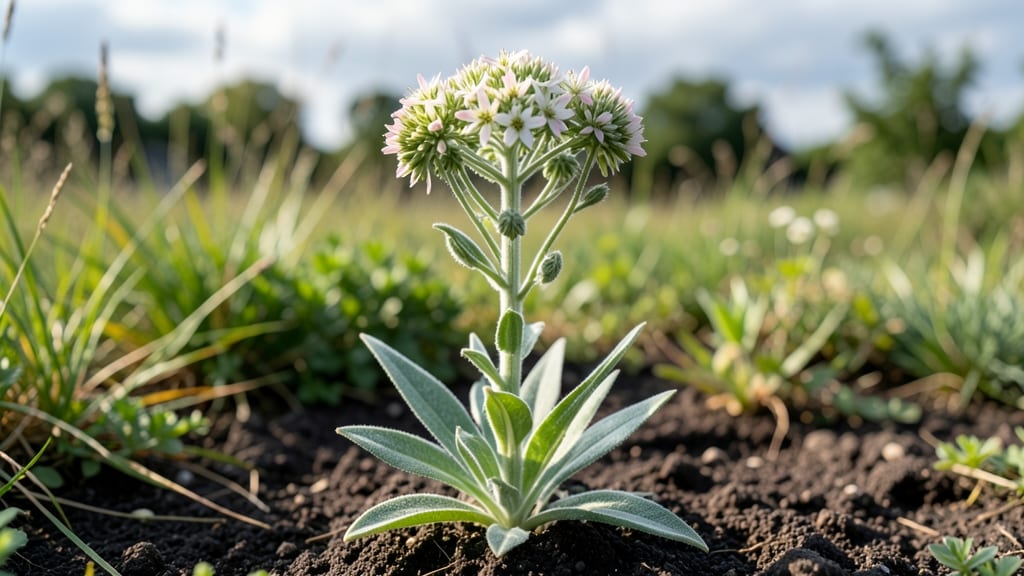
Growing antelope horn milkweed transforms your garden into a monarch butterfly magnet. 🌿 This drought-tolerant native plant thrives in dry conditions, producing striking pinkish-purple blooms that attract pollinators year-round. I planted mine last spring, and within months, monarchs were flocking to its nectar-rich flowers.
The secret to success lies in its natural habitat preferences: well-draining soil, full sun exposure, and minimal watering once established. Unlike many milkweeds, antelope horn handles poor soil and dry spells with ease, making it perfect for low-maintenance gardens.
Just avoid heavy clay or soggy conditions—its roots prefer to stay dry.
You'll see blooms from late spring through fall, with each flower cluster drawing clouds of butterflies. The plant's unique antler-like seed pods add architectural interest, while its deep roots prevent erosion. By mid-summer, your garden becomes a buzzing, fluttering ecosystem that even city dwellers can create in containers.
Whether you're restoring native habitat or simply want a pollinator-friendly plant, this milkweed delivers beauty and function. Start with seeds in early spring or transplant mature plants—either way, you'll have a thriving butterfly haven in no time.
The best part? It multiplies easily through seed pods, so you'll soon have extras to share.
📚 In This Guide
- What you need
- Instructions
- Tips and common mistakes
- Wrapping up and next steps
What you need
- ● Antelope Horn Milkweed Seeds – 1 packet (50-100 seeds) or a 1-gallon potted plant (for faster results).
- ● Well-draining potting mix – 1 bag (50 lbs) (or a mix of 60% native soil, 30% compost, and 10% perlite for DIY blends).
- ● Garden bed or large container – Minimum 12-inch depth (containers should have drainage holes).
- ○ Organic fertilizer (optional but recommended) – Balanced 10-10-10 or slow-release 5-5-5 (follow package rates).
- ● Hand trowel or transplant spade – For digging and seed planting.
- ○ Gloves – Optional but helpful for handling prickly milkweed stems.
- ● Watering can or hose with gentle spray nozzle – 1-2 gallons capacity for consistent moisture.
- ● Pruning shears – For trimming dead blooms or shaping the plant.
- ○ Mulch (optional) – Straw or shredded leaves to retain moisture and suppress weeds.
- ● Sunlight access – Full sun (6+ hours daily) for optimal growth.
- ● Hardiness zone – USDA Zones 4-10 (check your local climate!).
- ● Patience – Seeds may take 2-4 weeks to germinate in warm soil.
Step-by-step guide to cultivating antelope horn milkweed
This drought-tolerant native beauty thrives with minimal fuss—ideal for pollinator gardens.
🌱 Step 1: Select the Right Location and Prepare Soil
Antelope horn milkweed (Asclepias asperula) loves full sun—plant in a spot receiving 6-8 hours of direct sunlight daily. It tolerates poor, rocky, or sandy soils but performs best in well-draining soil with a slightly alkaline pH (7.0-8.0). Amend heavy clay by mixing in 2-3 inches of coarse sand or grit to prevent root rot.
Here's the thing—this plant despises soggy roots. If your soil stays wet for more than 24 hours after rain, raise the planting area by 6-12 inches using a mound of native soil and compost. I always test drainage by digging a 6-inch deep hole, filling it with water, and waiting to see if it drains within 2 hours. If not, amend further.
🌿 Step 2: Plant Seeds or Transplants at the Right Time
For best results, sow seeds outdoors in early spring (March-April) or late summer (August-September) when soil temperatures reach 60-70°F. Direct sowing works best—scatter seeds ¼ inch deep and space them 12-18 inches apart (they self-seed aggressively). If using transplants, plant in early spring after the last frost date.
Don't rush—wait until soil warms to at least 60°F before planting. Cold soil slows germination and can cause seed rot. I like to press seeds lightly into the soil (they’re tiny, so a gentle finger works best) and cover with a thin layer of sand to prevent them from washing away during watering.
☀️ Step 3: Water Deeply and Establish Roots
Water deeply once per week for the first 4-6 weeks to encourage deep root growth. After establishment, this plant is drought-tolerant—water only when the top 2 inches of soil feel dry. Overwatering is the fastest way to kill it, so resist the urge to keep the soil moist.
Real talk: Antelope horn milkweed has thick, taproots, so avoid disturbing the soil once planted. Mulch with 2 inches of gravel or coarse bark to retain moisture and suppress weeds while keeping the base dry. You’ll see new growth within 3-4 weeks if conditions are right—look for narrow, lance-shaped leaves emerging from the center.
✂️ Step 4: Prune and Maintain for Year-Round Blooms
Deadhead spent flower clusters in late summer to encourage fall blooms, but leave seed pods for monarchs. Cut back brown or damaged stems in early spring before new growth begins. This plant rarely needs pruning—it’s naturally upright and self-supporting, but stake tall stems if they exceed 4 feet in windy areas.
Fertilizer is unnecessary—this milkweed thrives in low-nutrient soils. In fact, too much nitrogen promotes leafy growth at the expense of flowers. If your soil is extremely poor, apply a light layer of compost in early spring, but avoid synthetic fertilizers entirely.
🪴 Step 5: Encourage Monarchs and Monitor for Pests
Monarchs adore this species—look for bright orange eggs on the undersides of leaves in late spring. Leave some seed pods for caterpillars (they’ll strip the plant clean, but it rebounds quickly). If aphids appear, spray with soapy water or introduce ladybugs—chemical pesticides will harm monarchs.
Watch for milkweed beetles (black with orange spots)—they’re harmless but can defoliate plants if populations explode. Handpick them if needed, but they’re usually a sign of a healthy ecosystem. By second year, your plant will bloom continuously from spring to frost, making it a pollinator magnet.
Tips & tricks for perfect antelope horn milkweed cultivation
Between us, these small details make all the difference when growing your pollinator garden superstar.
Sunlight Strategy: The 6-8 hours of full sun requirement isn't negotiable—think of it as the plant's daily vitamin D. I've seen milkweed struggle in partial shade, producing fewer blooms and weaker stems. If your yard has afternoon shade, consider planting in a container where you can move it to sunnier spots during peak sunlight hours. A south-facing location gets priority, but east-facing works too if you're in a cooler climate.
Soil Science: That slightly alkaline pH (7.0-8.0) is crucial for preventing nutrient deficiencies. Test your soil with a simple kit from your garden center—if it's too acidic, sprinkle crushed limestone into the planting hole before adding the plant. For the 2-3 inches of sand amendment in clay soil, I recommend using coarse builder's sand rather than fine play sand. The larger particles improve drainage without compacting like fine sand can.
Watering Wisdom: The 4-6 week deep watering window is your chance to establish those taproots. I use a soaker hose set to deliver 1 inch of water per week during this period. After establishment, let the top 2 inches dry between waterings—this mimics natural drought conditions and prevents root rot. A moisture meter is worth the investment if you're unsure about soil moisture levels.
Monarch Magnet: Leave at least 30% of your seed pods for monarch caterpillars—they'll eat through them quickly but the plant rebounds beautifully. I've seen plants completely stripped by caterpillars in late summer, only to produce fresh growth by fall. This is normal behavior and actually benefits your garden ecosystem. The bright orange eggs appear within days of blooming, so start monitoring in early spring.
Pro Tips for Antelope Horn Milkweed
- Between us, these small details make all the difference when growing your pollinator garden superstar.
- Sunlight Strategy: The 6-8 hours of full sun requirement isn't negotiable—think of it as the plant's daily vitamin D....
- Soil Science: That slightly alkaline pH (7.0-8.0) is crucial for preventing nutrient deficiencies. Test your soil wit...
Frequently asked questions
Got questions about growing antelope horn milkweed (Asclepias asperula)?
You’re not alone! Here are the answers to the most common queries from gardeners eager to attract monarchs and enjoy year-round blooms.
Is antelope horn milkweed easy to grow for beginners?
This milkweed is one of the most beginner-friendly varieties. It thrives in well-draining soil, tolerates drought once established, and adapts to partial shade. Just avoid soggy soil—root rot is its kryptonite. With minimal fuss, it rewards you with vibrant blooms and monarch caterpillars!
How long does it take for antelope horn milkweed to bloom?
Patience pays off! Seeds germinate in 1–2 weeks (with stratification), and seedlings may take 6–12 months to mature enough for their first flowers. Once established, expect blooms year-round in warm climates or from spring to fall in cooler zones.
Will this milkweed attract pests like aphids or other butterflies?
Yes—but that’s a good thing! While aphids may visit (they’re harmless to the plant), antelope horn milkweed is a magnet for monarchs, swallowtails, and other pollinators. To deter pests, spray with soapy water if needed, but avoid pesticides—monarch caterpillars are sensitive to chemicals.
Can I grow antelope horn milkweed in containers?
It’s possible, but not ideal. This milkweed has deep roots and grows 3–5 feet tall, making containers tricky. If you must, use a 15+ gallon pot with excellent drainage and fertilize regularly. For best results, plant it in the ground where it can spread naturally.
Does antelope horn milkweed survive winter in cold climates?
It’s hardy to USDA Zone 5, meaning it can handle winters down to -20°F. In colder areas, mulch the base with leaves or straw to protect roots. The plant may die back in harsh freezes but often regrows from the roots in spring—just like a resilient butterfly!
What’s a good alternative if I can’t find antelope horn milkweed?
Try these monarch-friendly milkweeds:
- Asclepias tuberosa (butterfly weed)—bright orange blooms, drought-tolerant.
- Asclepias incarnata (swamp milkweed)—pink flowers, loves moist soil.
- Asclepias syriaca (common milkweed)—tough, fast-spreading, but invasive in some areas.
Wrapping up and next steps
Creating a thriving antelope horn milkweed (Asclepias asperula) garden isn’t just about beauty—it’s a powerful way to support monarch butterflies and boost local ecosystems! 🌿 With its year-round blooms and drought-resistant charm, this plant is a low-maintenance superstar for pollinators.
Whether you’re a beginner or a seasoned gardener, your efforts will make a real difference.
Ready to take the next step? Start small—plant a few seeds or cuttings in your garden this season and watch your monarch visitors flourish. Share your progress with fellow gardeners or local conservation groups to inspire even more green thumbs to join the cause! 🌟