
Orchid Care
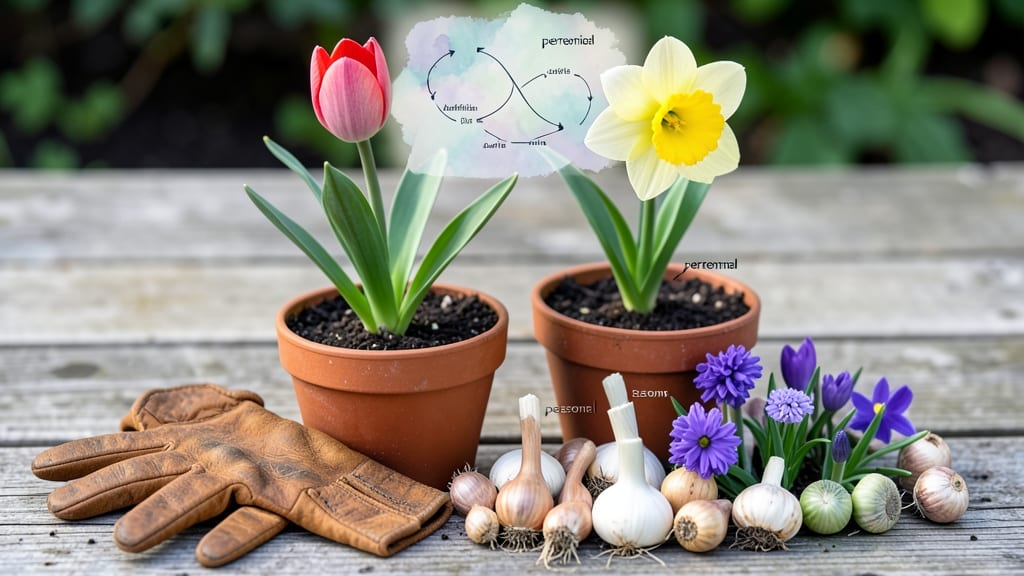
Not all bulbs are perennials—some, like garlic and shallots, complete their life cycle as annuals or biennials after flowering. True perennial bulbs such as tulips and daffodils return year after year, though many still need seasonal dormancy or careful replanting.
Bulbs actually fall into three main categories based on their lifespan: true perennials, biennials, and annuals. 🌱 The key difference lies in their underground storage structures—perennial bulbs like crocuses store energy for multiple growing seasons, while garlic and onions produce new bulbs each year before dying back.
Even perennial varieties often need division every few years to prevent overcrowding, which can reduce flowering. I’ve learned the hard way that assuming all bulbs behave the same leads to disappointed gardeners when their annuals fail to return!
For example, tulips are classic perennials that regrow from the same bulb each spring, while shallots produce new bulblets that can be harvested and replanted. Understanding these differences helps you plan your garden layout—perennials thrive in permanent beds, while annuals like chives may need annual replanting.
The secret to success is matching each bulb’s natural lifecycle to your planting strategy.
💡 In This Article
- How Bulb Lifespan Varies by Type and Growth Cycle
- Gardening Tips for Managing Different Bulb Types
How bulb lifespan varies by type and growth cycle
The biological distinction between perennial and non-perennial bulbs lies in their underground storage structures and how they allocate energy. Perennial bulbs like tulips and daffodils store nutrients in specialized layers called tunic scales, allowing them to regenerate foliage each spring from the same bulb.
These bulbs enter seasonal dormancy in summer, conserving energy until temperatures drop below 60°F. The root system remains active but minimal, sustaining the bulb through winter's chill—a process called vernalization that triggers spring regrowth.
Non-perennial bulbs, however, operate on a different schedule. Take garlic, for instance: its bulb divides into cloves that produce a single flowering stalk before the entire plant senesces (dies back) after seed production.
The energy stored in the bulb is entirely expended on this one-year cycle, making it a biennial in most climates. Similarly, shallots produce bulblets around their base each year, but the parent bulb typically dies after flowering.
This monocarpic behavior—where a plant flowers once then dies—contrasts sharply with perennials that flower repeatedly.
What most gardeners overlook is the root system's role in determining lifespan. Perennial bulbs develop a fibrous root network that spreads 12-18 inches wide, anchoring the plant and collecting moisture. Annual bulbs like onions grow a shallow, temporary root system focused solely on supporting the current year's growth.
The difference becomes obvious when you dig up established perennial beds—you'll find the original bulb still intact after years, while annual bulbs have decomposed or been harvested entirely.
Flowering triggers also vary dramatically. Perennial bulbs like hyacinths require 6-8 weeks of cold exposure (40-50°F) to break dormancy, a process called chilling requirement. Annual bulbs often flower without this cold period, relying instead on day length or temperature cues.
For example, elephant garlic flowers in its second year (biennial) but only if daytime temperatures stay above 55°F consistently—a threshold many gardeners accidentally trigger by planting too early in warm climates.
Here's where things get tricky: some "perennials" act like annuals in certain conditions. Tulips, for instance, may die back after 3-5 years in hot climates due to fungal infections (like Tulip Fire) that rot their storage scales. The solution?
Plant them in well-draining soil with 2-3 inches of organic mulch to prevent moisture buildup. This biological quirk explains why your neighbor's tulips thrive while yours disappear—it's not just luck, but precise growing conditions that preserve the bulb's longevity.
Consider crocuses as the exception that proves the rule: these early spring bloomers are true perennials that divide naturally, producing daughter corms each year. Yet even they require 6 weeks of winter dormancy to prevent premature flowering—a reminder that dormancy isn't optional for most bulbs.
The takeaway? Bulb lifespan isn't just about whether they're perennial or annual, but how their energy storage systems, root development, and environmental triggers interact over time. 🌱