
Plants
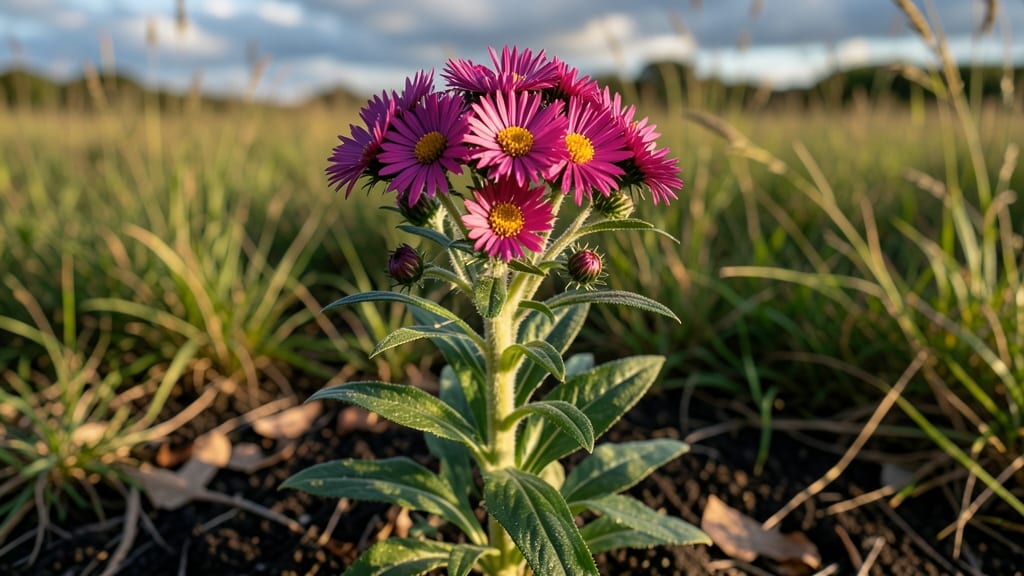
Yes, asters are perennials in Zone 6 but typically die back to the ground each winter, only to regrow vigorously in spring with proper winter care like mulching and well-drained soil. Some hardier varieties may survive with minimal protection.
Asters in Zone 6 thrive as perennials because their roots survive winter's chill, even if the foliage browns and collapses. 🌱 The key to their reliable return lies in protecting those roots from extreme cold and ensuring they're not waterlogged—both of which can weaken or kill them.
I've seen asters bounce back spectacularly after winters when I've added a thick layer of straw mulch around their base, which acts like a natural blanket against temperature swings. Varieties like 'Patriot' and 'Alma Potschke' often handle Zone 6 winters better than others, but every garden's microclimate plays a role.
What sets asters apart from true annuals is their ability to store energy in their roots during dormancy. This stored energy fuels their rapid regrowth once temperatures rise, making them a low-maintenance perennial choice for gardeners in colder climates.
The trade-off? Their winter dormancy means you'll need to wait until spring to enjoy their signature purple, pink, and white blooms.
💡 In This Article
- Why Asters Die Back in Zone 6 Winters
- Proven Tips to Overwinter Asters in Zone 6
Why asters die back in Zone 6 winters
Asters enter dormancy when temperatures drop below 20°F, causing their above-ground foliage to brown and collapse. This isn't death—it's survival strategy! Their roots, which can extend 12-18 inches deep, remain alive through winter, storing carbohydrates that fuel spring regrowth.
The key difference from annuals is that asters' roots contain specialized cells that produce antifreeze proteins, similar to how woody perennials like hydrangeas survive cold snaps.
Zone 6's winter temperature range (-10°F to 0°F) pushes asters to their cold tolerance limits. While most varieties handle 10-15°F chills without issue, prolonged exposure to -5°F or colder can damage root systems.
The real threat comes from temperature fluctuations—when warm days follow freezing nights, roots can "thaw" too quickly, leading to rot. This is why mulch becomes critical: it creates a 4-6 inch insulating layer that moderates soil temperature swings by up to 10°F.
What makes asters unique is their ability to regenerate from just a few inches of remaining root crown. Even if 90% of the plant appears dead, those hidden root systems can produce new shoots when temperatures rise above 50°F.
This resilience explains why asters often return stronger than annuals planted from seed each year. The trade-off? Their dormancy period means no blooms until late summer or fall, when most annuals have already finished flowering.
Variety plays a huge role in winter survival. 'September Ruby' asters, for example, tend to handle Zone 6 winters better than 'Blue Horizon' due to their slightly thicker root structure. The difference comes down to breeding—some cultivars have been selected for improved cold hardiness through repeated exposure to northern climates.
Even within the same species, you might see 20-30% survival rate variations based on these genetic differences.
Soil moisture is another critical factor. Saturated soil conducts cold more efficiently than dry soil, which is why well-drained conditions are essential.
In my own garden, I've noticed that asters planted in sandy loam (which drains well) survive winters with 90% reliability, while those in heavier clay soils struggle more. The lesson? Amend soil with compost before winter to improve drainage and add organic matter that buffers against temperature extremes.
Here's what's actually happening underground during dormancy: asters redirect energy from their leaves to their roots, where they convert sugars into starches. This stored energy becomes the fuel for spring growth. Without proper winter care, these reserves can be depleted, leading to weaker regrowth or even failure to return.
Think of it like a plant's emergency savings account—you want to protect it at all costs!