
Plants
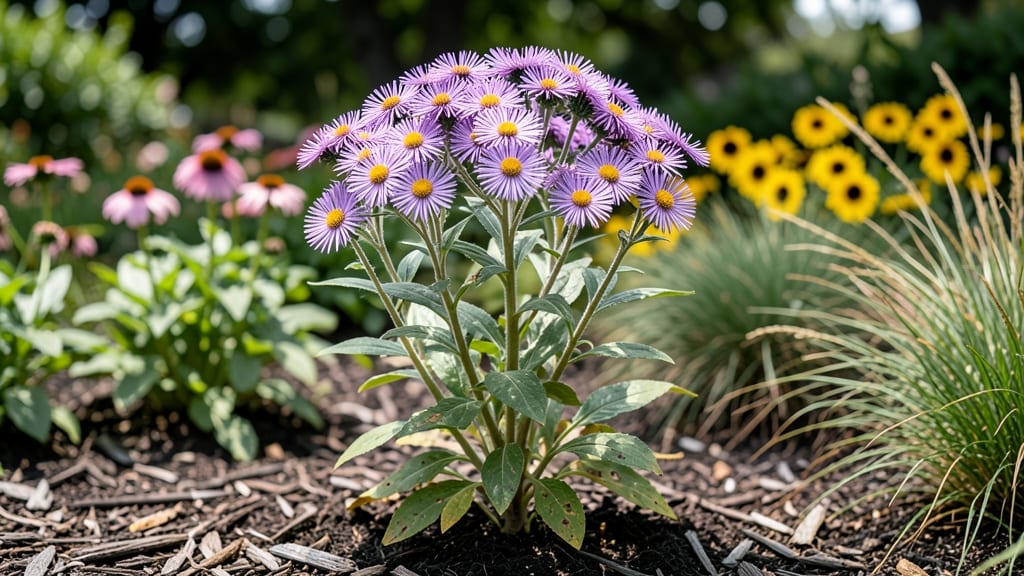
Asters are perennials in most climates, returning year after year with proper care, though they may die back in harsh winters or colder zones unless hardy varieties are chosen. Some types bloom annually, while others thrive for 3-5 years before needing division.
Asters thrive as perennials because their root systems stay dormant in winter, then regrow each spring. 🌿 In warmer zones (USDA 8-10), they often bloom annually, while colder regions (USDA 3-7) may need hardier varieties like New England aster or Symphyotrichum species.
The key to longevity is protecting their roots from freeze-thaw cycles—mulching heavily in fall and avoiding overwatering helps them survive harsh winters.
What most gardeners don’t realize is that asters actually rejuvenate through division every 3-5 years. When their centers become woody and stop flowering, splitting the clump in early spring gives them fresh energy.
This simple step can extend their lifespan by another decade or more—making them one of the most rewarding perennials for patient gardeners.
💡 In This Article
- Perennial Asters Growth Cycle by Climate Zone
- Extending Asters’ Lifespan in Your Garden
Perennial asters growth cycle by climate zone
Asters exhibit a fascinating growth cycle where their rhizomatous root systems act like underground storage units, allowing them to survive winter dormancy. In USDA zones 8-10, these roots remain active year-round, producing 2-3 feet tall stems that bloom from late summer through fall.
The foliage may die back in winter only to re-emerge in early spring, creating a 3-5 year flowering cycle before needing renewal.
In colder zones (USDA 3-7), the magic happens below ground. Hardy varieties like Alpine aster develop deep taproots that can withstand -20°F to -30°F temperatures, while New England aster forms dense root crowns that insulate against freeze-thaw cycles.
What's remarkable is how these roots metabolize stored starches during dormancy—converting them into sugars that fuel rapid spring regrowth when soil temperatures hit 50°F.
The timing of regrowth varies dramatically by zone. In zone 9, you'll see fresh shoots by February-March, while zone 5 gardeners typically wait until late April. This delay occurs because colder soils take longer to thaw, and the roots need consistent moisture (not soggy) to break dormancy.
The first foliage often appears as blue-green rosettes—a sure sign the plant is preparing for its annual bloom cycle.
What most gardeners miss is how foliage color changes signal the plant's health. Vibrant green leaves indicate strong roots, while yellowing in early spring suggests root rot from winter moisture.
In zone 4, where winters can drop to -30°F, only heavily mulched plants (with 4-6 inches of straw or leaves) reliably survive. The mulch creates an insulating blanket that maintains 32-40°F soil temperatures—the sweet spot for root protection.
Consider these key climate factors when selecting varieties:
- Southern zones (8-10): Choose Symphyotrichum novae-angliae ('Andenken an Alma Potschke') for 4-5 foot stems and purple blooms that attract monarch butterflies
- Midwest zones (5-7): Opt for Alpine asters with 1 foot height and white/pink flowers that bloom 2 weeks earlier than southern varieties
- Northern zones (3-4): Plant New England aster ('Harvest Moon') with 3 foot stems that tolerate -40°F when properly mulched
The science behind their resilience lies in their cold-hardy cell membranes, which contain unsaturated fats that remain fluid even at freezing temps. This allows nutrient transport during dormancy—a trait shared with other hardy perennials like coneflowers and black-eyed Susans. 🌟