
Pests
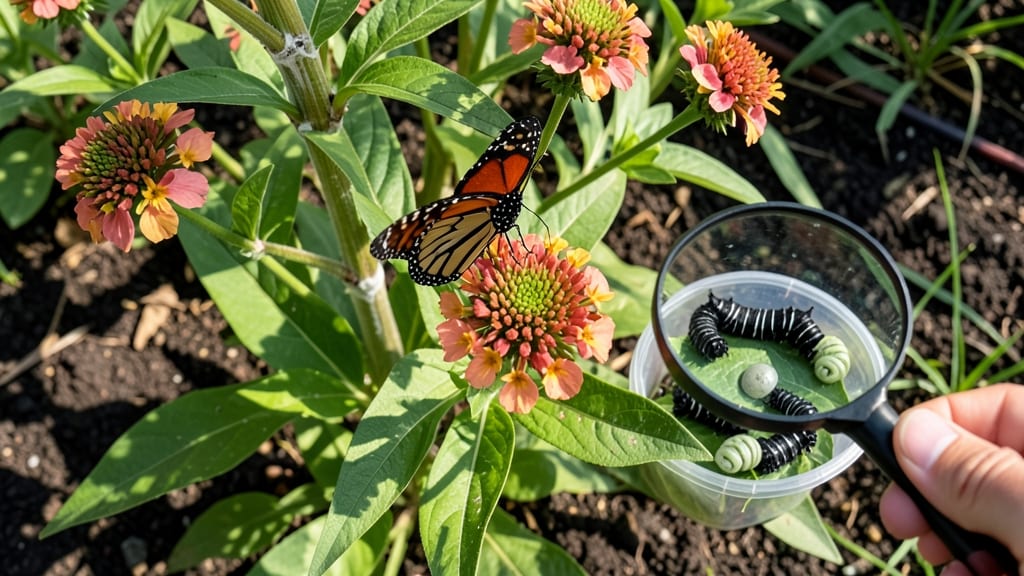
Monarch butterflies lay eggs exclusively on milkweed plants because their caterpillars depend entirely on these plants for survival. Females target milkweed species like common milkweed (Asclepias syriaca) or swamp milkweed (Asclepias incarnata) to place single eggs on leaves.
This strict plant preference isn't random—it's an evolutionary survival strategy. 🌿 Monarch caterpillars can only digest milkweed's leaves, which contain cardenolides, a toxin that makes them unpalatable to predators. The butterflies' bodies actually store these compounds, creating a built-in defense system.
Without milkweed, their entire lifecycle would collapse, which is why you'll never find monarch eggs on other plants, even if they visit them for nectar.
What's fascinating is how precise female monarchs are during egg-laying. They can detect milkweed from up to 3 miles away using scent cues and will often inspect multiple leaves before choosing one.
This behavior ensures their offspring have the best chance of survival, as they'll hatch onto a food source perfectly suited to their needs.
💡 In This Article
- Why Milkweed Is the Only Host Plant for Monarch Butterfly Eggs
- How to Attract Monarch Butterflies for Egg-Laying in Your Garden
Why milkweed is the only host plant for monarch butterfly eggs
The monarch butterfly's dependency on milkweed begins with a chemical relationship so specific that no other plant can substitute. Monarch caterpillars have evolved to metabolize cardenolides, toxic compounds found exclusively in milkweed species. These toxins, which would be deadly to most insects, actually become a survival advantage for monarchs.
When caterpillars consume milkweed leaves, they store these compounds in their bodies, making them taste foul to predators like birds and small mammals. 🔥 This chemical defense system is so effective that studies show predators often reject monarch caterpillars after just one unpleasant encounter.
The evolutionary process that led to this dependency is fascinating. Approximately 180 million years ago, monarchs and milkweed co-evolved, creating a mutualistic relationship where the butterfly's survival depends entirely on the plant.
The cardenolides in milkweed are produced as a defense mechanism against herbivores, but monarchs have developed specialized enzymes that allow them to process these toxins. Without milkweed, monarch caterpillars would starve because they lack the digestive enzymes to break down any other plant's nutrients effectively.
This biological lock-in explains why you'll never find monarch eggs on sunflowers, roses, or even other nectar-rich plants that butterflies visit.
Female monarchs exhibit remarkable precision during egg-laying, using a combination of visual and olfactory cues to identify suitable milkweed plants. Research shows they can detect milkweed from up to 3 miles away using scent receptors that are 100 times more sensitive than those of other butterflies.
Once they locate a milkweed patch, they'll often inspect multiple leaves before depositing a single egg. This meticulous process ensures their offspring will hatch onto a food source perfectly adapted to their needs.
The eggs themselves are tiny—about the size of a pinhead—with a distinctive white color that blends seamlessly with the milkweed's leaf texture, providing camouflage from predators.
What makes this relationship even more remarkable is how milkweed's toxins change throughout the plant's lifecycle. Young, tender leaves contain higher concentrations of cardenolides, which makes them particularly toxic to predators but also more nutritious for monarch caterpillars.
As the leaves mature, the toxin levels decrease, but the caterpillars have already developed their resistance by that stage.
This dynamic balance between plant defense and caterpillar adaptation is a perfect example of nature's intricate co-evolutionary dance. 🌱 Without this precise chemical match, the entire monarch lifecycle would collapse, making milkweed an irreplaceable component of their survival strategy.
Interestingly, not all milkweed species are equally attractive to monarchs. While they'll use over 100 different milkweed species across North America, some varieties like common milkweed (Asclepias syriaca) and swamp milkweed (Asclepias incarnata) are particularly favored.
These species produce larger leaves that provide better shelter for developing caterpillars and contain optimal toxin levels. The butterfly's preference for these varieties demonstrates how even within their restricted host plant options, they've developed specific ecological preferences that maximize their offspring's survival chances.
This chemical dependency also explains why conservation efforts for monarchs focus so heavily on milkweed preservation. When milkweed populations decline—due to habitat destruction, herbicide use, or climate change—monarch numbers follow suit.
The butterfly's inability to adapt to alternative plants makes them particularly vulnerable to environmental changes that reduce their host plant availability. Understanding this relationship helps conservationists prioritize milkweed restoration projects as the cornerstone of monarch habitat recovery efforts. ✨