
Pests
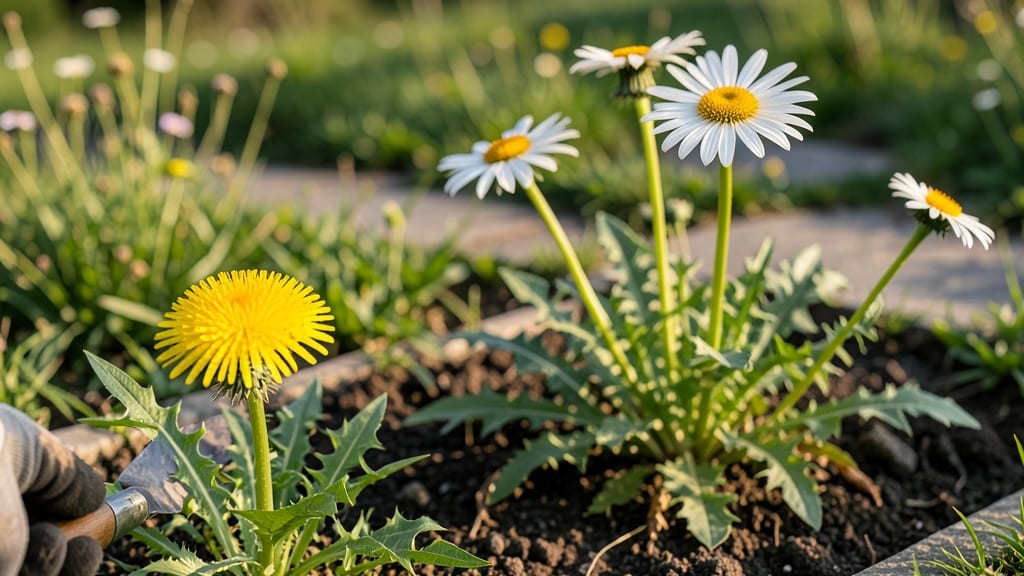
Daisies are not weeds—they’re ornamental perennials that add beauty to gardens with their cheerful blooms and easy care, though their tendency to self-seed can sometimes make them spread uncontrollably. Their classification as Bellis perennis or Leucanthemum sets them apart from true weeds, which typically lack aesthetic value.
Botanically speaking, daisies belong to the Asteraceae family and are cultivated for their vibrant flowers and hardy nature. 🌼 Unlike weeds, which thrive by outcompeting other plants aggressively, daisies offer visual appeal and ecological benefits like pollinator support.
Their "invasiveness" is often a matter of perspective—what some see as overgrowth, others embrace as a low-maintenance ground cover or wildflower meadow staple.
For gardeners who prefer controlled growth, simple techniques like deadheading spent blooms or dividing clumps can manage their spread without harming the plants. The key difference? True weeds disrupt ecosystems, while daisies enhance them—making them more of a gardening opportunity than a nuisance.
💡 In This Article
- Botanical Classification: Why Daisies Aren’t True Weeds
- Managing Daisy Spread in Gardens Without Harming Them
Botanical classification: why daisies aren’t true weeds
The key distinction between daisies and weeds lies in their botanical purpose and ecological role. Daisies—like English daisies (Bellis perennis) or Shasta daisies (Leucanthemum spp.)—belong to the Asteraceae family, a group known for its ornamental flowers and ecological benefits.
True weeds, such as dandelions (Taraxacum officinale) or crabgrass (Digitaria spp.), thrive by outcompeting other plants, often lacking aesthetic or ecological value. 🌼
Daisies produce vibrant, pollinator-friendly blooms that support bees and butterflies, while their shallow root systems prevent soil erosion. Their growth habits—spreading via underground runners or self-seeding—are controlled and predictable, unlike aggressive weeds that smother gardens.
For example, a single Shasta daisy plant can produce 50-100 seeds per bloom, but these seeds require light to germinate, making them easier to manage than weeds like bindweed (Convolvulus arvensis), which spreads via underground rhizomes.
Botanists classify plants based on their growth patterns and impact. Daisies are perennials, meaning they return yearly, while most weeds are annuals or biennials that rely on rapid reproduction to dominate.
The U.S. Department of Agriculture even lists some daisy species as beneficial ground covers in restoration projects, highlighting their positive role in ecosystems. Their "invasiveness" is often a misnomer—it’s their beauty and resilience that gardeners adore.
Consider the difference in texture and structure: daisy leaves are soft and lobed, while weed leaves (like crabgrass) are coarse and blade-like. This physical contrast reflects their distinct functions—daisies enhance landscapes, while weeds disrupt them.
Even their scent differs: daisies emit a mild, fresh aroma, whereas many weeds have no fragrance or emit unpleasant odors when crushed. 🌿
Another critical factor is their response to human intervention. Daisies thrive with minimal care—requiring only occasional watering and sunlight—while weeds often indicate poor soil health or overcrowding. For instance, a well-maintained lawn with healthy grass naturally resists weeds but may still welcome daisies as intentional accents.
This duality explains why some gardeners embrace daisies as "good weeds" or "wildflowers," blurring the line between ornamentals and invasives.
To further illustrate, compare daisy spread to that of clover (Trifolium spp.), another plant often mistaken for a weed. While clover can form dense mats that crowd out grass, daisies spread more slowly and leave space for other plants to coexist.
This balance is why landscape designers frequently incorporate daisies into pollinator gardens or native plant meadows, where their controlled spread benefits biodiversity without harming the ecosystem.