
Plants
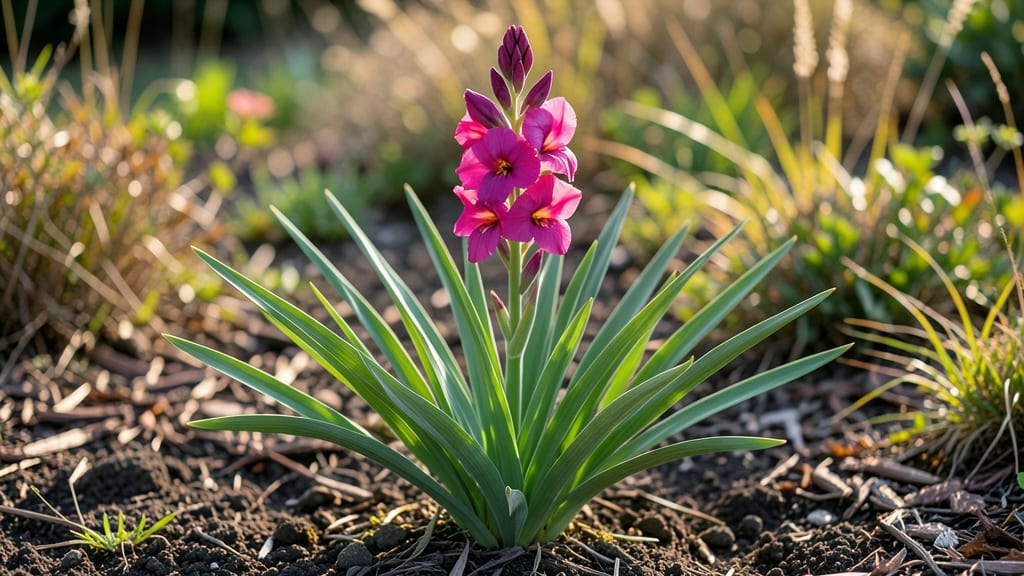
Gladiolus are not true perennials in most climates—their corms die back annually, but with proper care, they regrow each spring. In frost-free zones, they may persist longer, though they’re often treated as seasonal bulbs in colder regions.
Gladiolus behave more like seasonal bulbs than true perennials because their underground corms enter dormancy each winter, only to sprout fresh shoots in spring. 🌱 Unlike hardy perennials that survive year-round, glads rely on storing energy underground—think of them as nature's version of a "reset button."
In warmer climates, they might keep blooming year after year, but even there, they still require careful corm management to prevent decline. The key difference? True perennials like hostas regrow from the same root system annually, while glads start fresh each season from their stored energy reserves.
This dieback strategy actually works in their favor—it helps them avoid winter damage while still delivering stunning summer blooms. The trade-off? They need more attention than true perennials, especially in colder zones where their corms must be dug up and stored properly.
Many gardeners treat them as annuals to simplify care, though with the right techniques, you can coax multiple seasons of growth from the same plant.
💡 In This Article
- Why Gladiolus Act Like Perennials Despite Annual Dieback
- Extending Gladiolus Lifespan: Seasonal Care for Long-Term Growth
Why gladiolus act like perennials despite annual dieback
Gladiolus use a clever survival strategy through their corms—thick, underground storage organs that store nutrients like a biological battery. Unlike true perennials (such as hostas or daylilies), which maintain living roots year-round, gladiolus corms shrink and enter dormancy when temperatures drop below 50°F.
This dormancy isn't death—it's a carefully timed pause. The corm's outer layers harden, protecting its core from freezing while preserving energy for next year's growth.
This process mirrors how tulip bulbs survive winter, but gladiolus take it a step further by relying on secondary corm development—small "baby" corms form around the parent, ensuring multiple regrowth points.
The regrowth trigger is all about temperature cues. When soil warms to 60-65°F in spring, the corm's dormancy hormone (abscisic acid) breaks down, and growth hormones (like gibberellins) kick in.
You'll often see the first shoots emerge within 2-4 weeks of proper warming—faster than many true perennials that rely on stored root systems. The trade-off?
This annual reset means glads can't accumulate decades of root mass like a peony, but they compensate with rapid above-ground growth during their active season, producing those iconic sword-like spikes in just 8-12 weeks from dormancy.
What makes gladiolus unique is their corm replacement cycle. Each year's parent corm shrinks as it nourishes the new season's growth, while the smaller daughter corms take over. This isn't just survival—it's a built-in renewal system.
In ideal conditions (like frost-free zones), this cycle can continue for 3-5 years before the corms weaken, but even then, you can propagate new plants from the daughter corms.
Compare this to true perennials: a daylily might send out new shoots from the same rhizome for 50+ years, while glads are more like annuals with a built-in backup plan.
Here's where climate becomes critical: in zones 7-10, gladiolus often act like perennials because the ground rarely freezes deeply enough to damage corms. But in colder regions (zones 3-6), those same corms would rot if left in the ground.
This explains why gardeners in different climates treat them so differently—what's a low-maintenance perennial in Florida becomes a high-maintenance seasonal bulb in Minnesota. The botanical term for this is geophyte adaptation, where plants evolve underground storage to survive harsh seasons.
Consider the sensory difference too: true perennials often show gradual growth over months, while glads burst into action with dramatic vertical growth. That sword-like foliage isn't just showy—it's a photosynthetic powerhouse that fuels the corm's energy reserves in just 6-8 weeks.
The flowers themselves are nature's advertisement for this rapid growth cycle, attracting pollinators to ensure seed production before the plant's energy shifts back underground.
This annual reset isn't a flaw—it's an evolutionary advantage. By "rebooting" each year, gladiolus avoid the buildup of diseases or pests that might plague long-lived perennials. It's why you can often grow the same variety for years without the decline seen in plants with persistent root systems.
The key takeaway? Glads are perennial in spirit but annual in practice, a botanical hybrid that gives gardeners the best of both worlds: reliable blooms with minimal long-term commitment.