
Plants
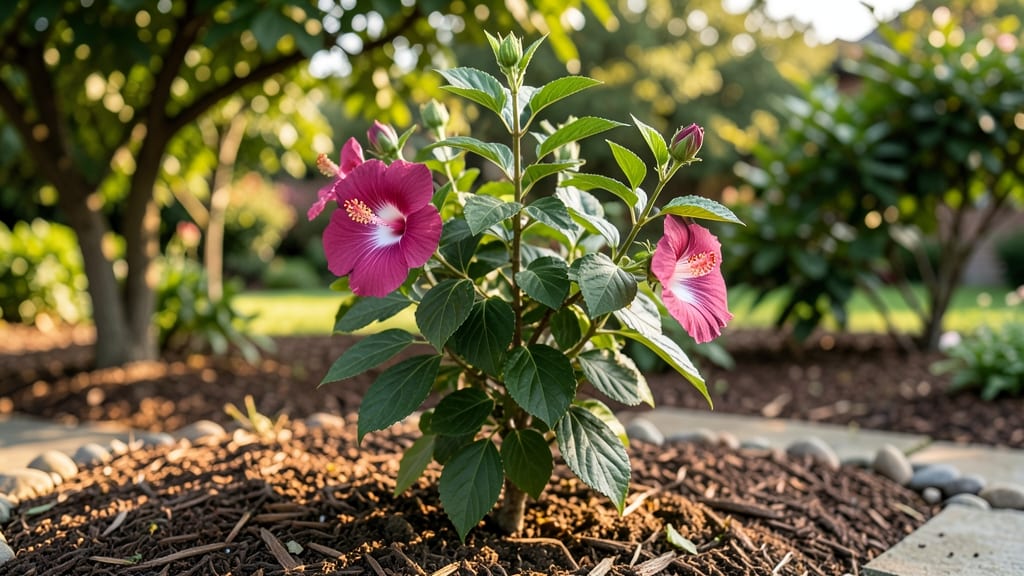
Hibiscus plants are perennials in USDA Zones 5-11, meaning they'll return each year from their roots in colder climates, though they may die back to the ground during winter frost.
Hibiscus plants are classified as perennials because their root systems survive winter dormancy in temperate climates, allowing them to regrow each spring. 🌱 The key difference between hardy and tropical varieties lies in their ability to tolerate freezing temperatures—while Zone 5-11 hibiscus can handle light frosts, tropical species often require year-round warmth to thrive.
I've found that proper winter care, like mulching or container protection, can extend their lifespan even in colder regions.
What makes hibiscus unique is their growth habit: they may appear dead during winter but store energy in their roots, ready to burst back to life with warmer temperatures. This adaptability is why gardeners in colder zones still grow hibiscus successfully, even when other tropical plants fail.
💡 In This Article
- Hibiscus Cold Hardiness Zones Explained
- Extending Hibiscus Lifespan in Cold Climates
Hibiscus cold hardiness zones explained
The USDA Plant Hardiness Zone Map divides North America into 11 zones based on average annual minimum temperatures, and hibiscus thrive in zones 5 through 11.
This means hibiscus can survive winter temperatures as low as -20°F to -10°F in zone 5, though they'll enter dormancy when temperatures drop below 25°F.
The key difference between zones is how much the plant "dies back" - in zone 5, hibiscus may lose all foliage and stems, while in zone 9 they might only drop some leaves but retain green growth.
What's fascinating is how hibiscus roots store energy during winter. When temperatures drop below 32°F, the plant's aboveground growth stops, but the roots remain alive, storing starches and sugars that fuel regrowth in spring.
This is why hibiscus can bounce back even after heavy frost - their root systems are remarkably resilient. Tropical hibiscus varieties, however, lack this cold tolerance and will die back completely if exposed to frost, as their roots aren't adapted to survive freezing temperatures.
The science behind this resilience lies in the plant's ability to produce antifreeze proteins during cold periods. These proteins bind to ice crystals, preventing them from growing large enough to damage cell walls. In zone 5, hibiscus can handle 10-15 days of 20°F temperatures because of this natural protection mechanism.
Beyond that, the roots begin to suffer from cold damage, which is why gardeners in colder zones need to take extra protective measures.
Here's how the zones break down practically for hibiscus growth:
- Zones 9-11: Year-round growth with minimal winter dormancy
- Zones 7-8: Light dormancy with some leaf drop but no stem death
- Zones 5-6: Complete dormancy with only roots surviving winter
The transition between zones shows how hibiscus adapt their growth patterns. In zone 8, for example, you might see hibiscus with bare stems in winter but still green leaves on lower branches, while in zone 6 the entire plant will look dead until spring.
This gradual adaptation is what makes hibiscus such versatile plants for different climates.
One common misconception is that all hibiscus are tropical plants. While many varieties originate from tropical regions, hardy hibiscus species like Hibiscus moscheutos (swamp hibiscus) and Hibiscus syriacus (rose of Sharon) have evolved to survive colder temperatures through natural selection.
These species can handle zone 5 winters because they've developed thicker root systems and more efficient energy storage mechanisms over centuries.