
Planting
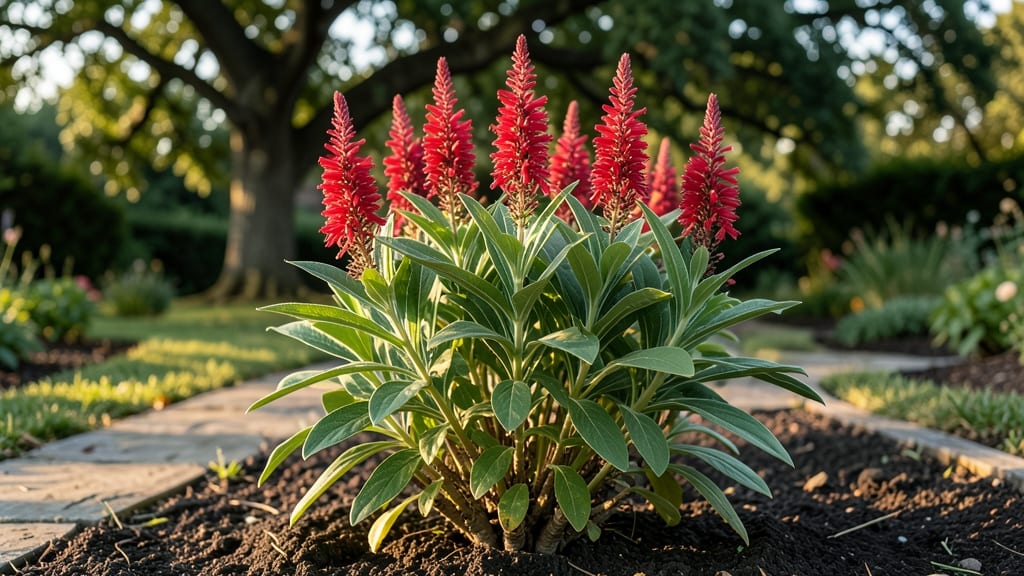
A pineapple sage plant acts as a true perennial only in USDA zones 8-11, where it naturally survives winters without protection. Outside these zones, it behaves as an annual or short-lived perennial unless you provide winter care or grow it in containers.
This tropical herb thrives in warm climates because its leaves can't tolerate temperatures below 25°F. 🌱 In colder zones, gardeners often treat it as an annual or use winterizing techniques like heavy mulching or moving potted plants to sheltered spots.
The key to extending its lifespan lies in mimicking its native conditions—whether through microclimates, containers, or seasonal adjustments. Without proper care, frost will kill it back to the ground, but with the right approach, you can coax it to regrow year after year.
What sets pineapple sage apart is its ability to regenerate from the base even after frost damage. This makes it a rewarding plant for patient gardeners willing to invest in seasonal maintenance.
For example, in zone 7, I've seen it bounce back beautifully when protected with thick mulch or brought indoors before the first freeze. The trade-off? More effort yields longer enjoyment of its vibrant foliage and fragrant blooms.
💡 In This Article
- Pineapple Sage Perennial Lifespan by USDA Hardiness Zones
- Winterizing Pineapple Sage in Non-Native Climates
Pineapple sage perennial lifespan by USDA hardiness zones
Pineapple sage's perennial status hinges on its native sensitivity to cold—its leaves begin suffering damage at 28°F and die back completely below 25°F. In USDA zones 8-11, where winter lows rarely drop below 10°F, the plant naturally enters dormancy during cooler months but regrows robustly in spring.
The key mechanism is its ability to store energy in the root system during mild winters, allowing it to push new growth as temperatures rise above 50°F. 🌿
In zone 7, where winters dip to 0-10°F, pineapple sage survives only if protected. The plant's root zone can tolerate brief exposure to 20°F, but prolonged cold kills back the foliage.
What's fascinating is how microclimates create exceptions—south-facing walls or slopes can raise temperatures by 5-10°F, sometimes enough to protect the plant. Gardeners in these zones often use thick mulch (4-6 inches of straw) to insulate roots during 20-25°F nights.
Zones 1-6 present the biggest challenge because winter lows often drop below 0°F. Here, pineapple sage's lifespan becomes annual unless you implement container culture. The secret lies in the plant's ability to regenerate from the crown—even if the top growth dies, the root base often survives if protected.
I've seen it regrow from a 2-inch stem base after winter, proving its resilience when given proper care. 💪
What most gardeners overlook is the plant's growth cycle timing. In colder zones, pineapple sage typically starts new growth in late April when soil temperatures reach 55°F. This delayed emergence explains why many assume it's an annual—they see no signs of life until summer.
The solution? Start seeds indoors 8-10 weeks before last frost to enjoy blooms earlier.
Soil drainage plays a crucial role in cold survival. Pineapple sage's roots rot easily in soggy conditions, which is why well-draining soil with 50-70% organic matter is ideal. In containers, use a mix of 60% potting soil and 40% perlite to prevent waterlogging during winter storage.
The right soil mix can mean the difference between a plant that survives and one that succumbs to root rot during dormancy. 🌱
For visual reference, here's how the plant's cold tolerance compares:
- Zones 8-11: Natural perennial with winter dormancy (10-25°F tolerance)
- Zone 7: Short-lived perennial with protection (0-10°F tolerance)
- Zones 1-6: Annual unless container-grown (below 0°F without protection)