
Plants
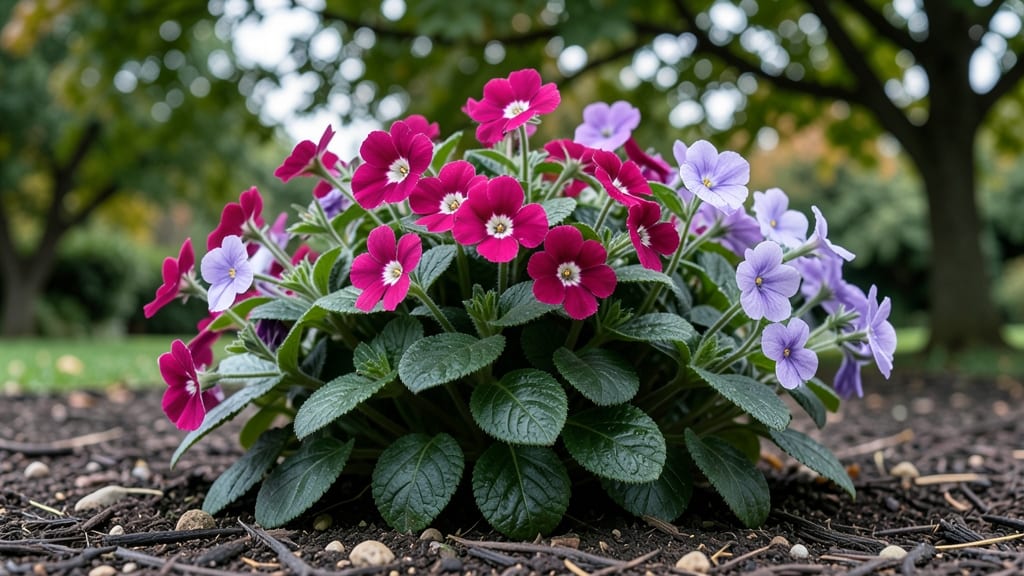
Impatiens are not true perennials in most climates, though they die back annually in cold weather. They thrive as tender perennials in warm zones (USDA 10-11) but are typically grown as annuals in cooler regions due to frost sensitivity. Their lifespan extends beyond one season if protected from freezing temperatures.
Impatiens behave like annuals in most gardens because they can't survive freezing temperatures, which kill their foliage and roots. 🌱 However, these plants develop tuberous roots that store energy, allowing them to regrow if winter conditions are mild enough.
In warmer climates like USDA zones 10-11, they naturally persist year-round, while gardeners in cooler areas must take special steps to preserve them through winter storage.
What sets impatiens apart from true perennials is their sensitivity to frost—even light freezes can damage their delicate stems. Their tuberous roots act like a biological battery, storing nutrients to fuel regrowth when conditions improve.
This makes them "tender perennials" in ideal climates, but their survival depends entirely on temperature protection.
The key to extending their lifespan lies in understanding their growth cycle. While they may look like annuals, their underground storage system gives them hidden perennial potential. With proper care—like digging up tubers before frost—you can enjoy these vibrant flowers for multiple seasons, even in colder regions.
💡 In This Article
- Why Impatiens Die Back: Understanding Their Annual vs Perennial Behavior
- How to Extend Impatiens Lifespan: Overwintering Tips for Gardeners
Why impatiens die back: understanding their annual vs perennial behavior
Impatiens exhibit annual behavior because their above-ground growth is completely frost-sensitive. When temperatures drop below 32°F, their tender stems and leaves freeze and die back, mimicking the behavior of true annuals.
However, what sets them apart is their hidden survival mechanism: tuberous roots that store carbohydrates and nutrients like a biological battery. These roots can remain dormant underground for months, waiting for warmer conditions to regenerate new foliage. 🌱
The key difference between impatiens and true perennials lies in their hardiness. True perennials like hostas or peonies have woody stems or deep root systems that survive winter intact, while impatiens rely solely on their tuberous roots.
In USDA zones 10-11 (where winters rarely drop below 40°F), these tubers naturally regenerate each spring, allowing impatiens to behave as tender perennials. In colder zones, the tubers often fail to survive outdoor winter conditions without protection.
Scientifically, this dieback behavior is tied to their tropical origins. Impatiens (genus Impatiens) evolved in warm, humid environments where frost never occurs. Their entire life cycle is adapted to continuous warmth, making them ill-equipped for freezing temperatures.
The tuberous roots serve as their only winter survival strategy—a trait shared with other tender perennials like dahlias or cannas. This biological adaptation explains why they thrive as annuals in most gardens but can persist as perennials in frost-free climates.
What most gardeners don't realize is how quickly impatiens can regenerate from tubers when conditions improve. In spring, when soil temperatures reach 55-60°F, these tubers begin metabolizing stored energy to produce new shoots within 2-3 weeks.
This rapid regrowth is one of their most impressive survival traits, though it requires perfect timing in colder climates. The challenge lies in protecting these tubers from freezing before they can complete their natural dormancy cycle.
Consider this comparison: A true perennial like black-eyed Susan develops woody stems that remain alive through winter, while impatiens must rely entirely on their underground storage organs. This makes them more vulnerable to environmental stresses.
In zones 8-9, where winters occasionally dip below freezing, gardeners often need to dig up and store tubers to prevent complete loss. The trade-off is that when properly cared for, these tubers can produce flowers for 3-5 years or more, proving their hidden perennial potential.
Here's what happens biologically when impatiens die back: Their leaves and stems undergo rapid senescence (aging) when exposed to frost, but the tuberous roots enter a state of dormancy. This process involves the breakdown of chlorophyll and the conversion of sugars into storage forms like starch.
The roots' protective layer of cells prevents water loss while maintaining metabolic activity at minimal levels. When spring arrives, hormonal signals trigger the tubers to break dormancy and resume growth.