
Plants
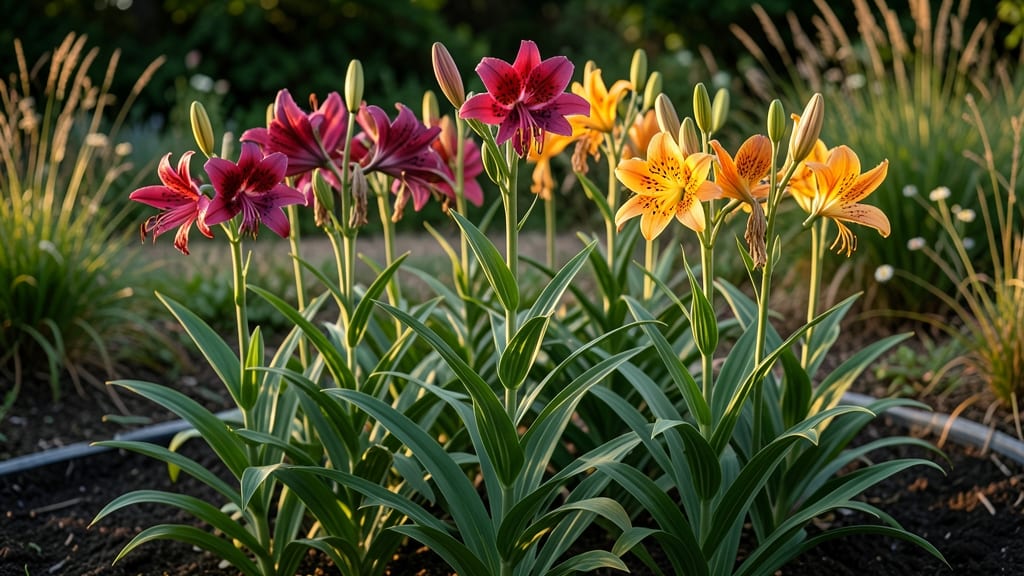
Yes, lilies are perennials that die back to the ground each winter, storing energy in their bulbs or rhizomes to regrow annually with proper care and seasonal dormancy. Their survival depends on soil conditions, sunlight, and protection from frost.
Lilies aren't just survivors—they're strategic planners. 🌱 Their bulbs and rhizomes act like natural batteries, storing nutrients and energy underground during dormancy. This isn't laziness; it's biology. Many gardeners mistakenly think dead stems mean the plant is gone, but those underground structures are quietly preparing for next year's bloom.
The key to their success? Consistent moisture during active growth and proper winter protection—like mulching or frost cloth—to shield them from extreme cold.
What's fascinating is how these plants time their cycles. Most lilies enter dormancy when temperatures drop below 50°F, and their leaves yellow naturally. This isn't a sign of failure—it's their way of conserving energy.
The real work happens below ground where the bulbs continue developing even when everything above looks dormant. I've seen firsthand how a well-cared-for lily can emerge in spring with stronger stems than the year before, thanks to this underground preparation.
💡 In This Article
- How Lily Bulbs and Rhizomes Enable Perennial Growth
- Year-Round Care for Perennial Lilies: Planting to Winter Protection
How lily bulbs and rhizomes enable perennial growth
The secret to lilies' perennial nature lies in their specialized underground structures—bulbs or rhizomes—that function like biological storage units. Unlike annuals that complete their life cycle in one season, lilies store carbohydrates, proteins, and water in these thickened stems during dormancy.
For example, a typical Asiatic lily bulb can store enough energy to fuel regrowth even after months of winter dormancy. This storage system allows them to survive harsh conditions that would kill less resilient plants.
Here's what makes these structures so efficient: bulbs (like those of Easter lilies) have concentric layers of fleshy scales that pack nutrients densely, while rhizomes (common in daylilies) spread horizontally to access moisture and nutrients across a wider area.
During dormancy, these structures slow their metabolic rate dramatically—sometimes dropping to just 5% of normal activity—to conserve energy. The transformation from summer's lush foliage to winter's dormant state isn't decay; it's a carefully timed biological strategy to survive until conditions improve.
What most gardeners miss is the seasonal cycle's precision. Lilies typically enter dormancy when daytime temperatures consistently fall below 50°F, triggering a hormonal shift that causes leaves to yellow and die back. This isn't a sign of failure—it's their way of protecting vital resources.
The bulbs continue developing even underground, with new shoots forming at the base. I've observed that properly cared-for lilies can emerge 2-3 weeks earlier in spring than neglected ones because their underground systems were better prepared during dormancy.
This biological mechanism explains why lilies thrive in USDA zones 3-9—their ability to store and regenerate makes them far more adaptable than annuals. The trade-off? Their growth cycle requires patience. While annuals produce quick blooms, lilies invest energy underground during their first year, often producing minimal foliage above ground.
This "waiting period" is crucial for building the reserves needed for future blooms, which can reach 3-5 feet tall with proper care.
Consider the Tiger lily as a prime example: its rhizomes can grow 1-2 inches per year, spreading outward while storing nutrients. When you see those dramatic summer blooms, you're witnessing the reward for months of underground preparation.
The key difference from annuals is this long-term investment strategy—lilies don't just survive winter; they emerge stronger each year because their energy reserves have been carefully cultivated underground.