
Orchid Care
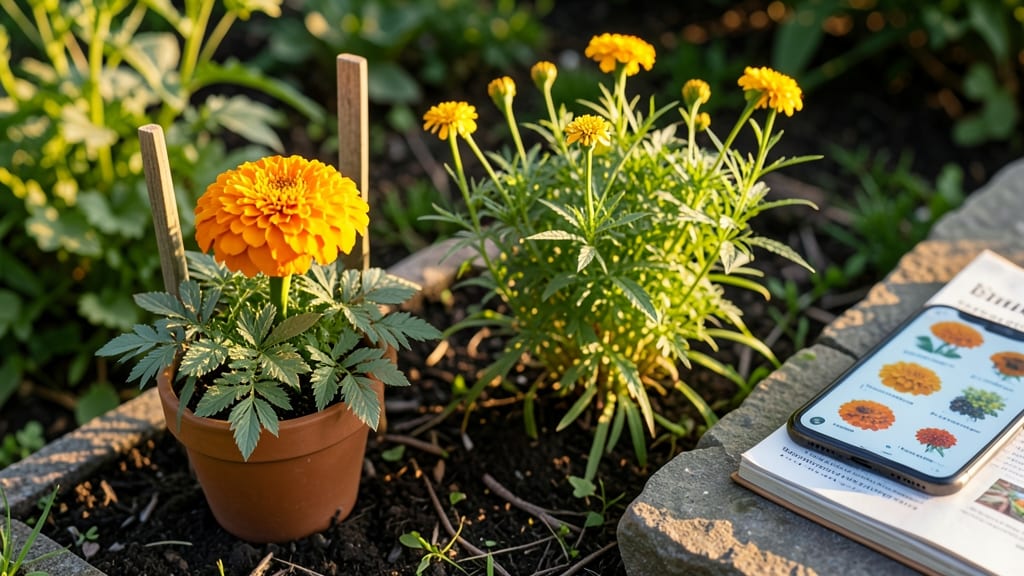
Whether marigolds are annuals or perennials depends on your climate: they die back in cold winters but thrive year-round in frost-free USDA zones 10-11, where they naturally return each season.
This distinction comes down to frost sensitivity—marigolds' roots can't survive freezing temperatures, so they're classified as annuals in most regions. 🌱 However, in warmer climates where winter lows stay above 30°F, they regrow from the same root system each spring, acting like perennials.
The key difference is winter survival: if your area gets frost, treat them as annuals; if not, they'll reward you with continuous blooms.
For gardeners in colder zones, this means planning ahead: start seeds early or use overwintering techniques like mulching or container protection to extend their lifespan. Some varieties, like French marigolds, handle cooler temps better than others, giving you more flexibility in marginal climates.
💡 In This Article
- How USDA Hardiness Zones Determine Marigold Lifespan
- Growing Marigolds Year-Round in Cold Climates
How USDA hardiness zones determine marigold lifespan
The core reason marigolds shift between annual and perennial status comes down to their root systems and frost sensitivity. Marigolds (Tagetes species) have fibrous roots that store minimal energy reserves, making them highly vulnerable to freezing temperatures below 30°F.
When frost hits, these roots blacken and die back completely, forcing the plant to regrow from seed the following spring—classifying it as an annual in colder zones.
In frost-free USDA zones 10-11, where winter lows rarely dip below 35°F, marigolds' roots survive year-round. The plants undergo a natural dormancy during cooler months, conserving energy until warmer temperatures trigger regrowth.
This perennial behavior occurs because the root systems remain intact, allowing the plant to produce new foliage and flowers each season without needing to reseed.
The transition temperature between annual and perennial behavior sits around 32°F—this is the threshold where root cell membranes begin to rupture from ice crystal formation.
Most marigold varieties can tolerate brief exposures to 35°F without damage, but prolonged cold below 30°F guarantees winter kill. 🌡️ This scientific threshold explains why gardeners in zone 9 (where winters occasionally reach 28°F) may see marigolds behave as annuals in harsh winters but perennialize in milder years.
Interestingly, marigolds exhibit a phenomenon called "thermoperiodism"—their growth rate accelerates when nighttime temperatures stay above 55°F. This means in zone 10-11 climates, marigolds can produce continuous blooms year-round because they never experience the growth-suppressing cold periods that trigger dormancy in temperate regions.
The lack of frost eliminates the annual "reset" cycle, allowing them to maintain perennial characteristics.
For gardeners in transitional zones (like zone 8b), the classification becomes nuanced. While marigolds may survive mild winters, they often produce weaker growth the following spring due to root stress from near-freezing temperatures.
This creates a "semi-perennial" scenario where the plants return but with reduced vigor compared to their tropical counterparts.
What most gardeners don't realize is that marigolds' perennial potential extends beyond just survival—it's about consistent performance. In zone 10-11, well-established marigolds can produce 12-18 months of continuous blooms with proper care, while annuals in colder zones typically bloom for only 3-5 months per growing season.
This dramatic difference in flowering duration demonstrates why climate classification matters so much for garden planning.