
Plants
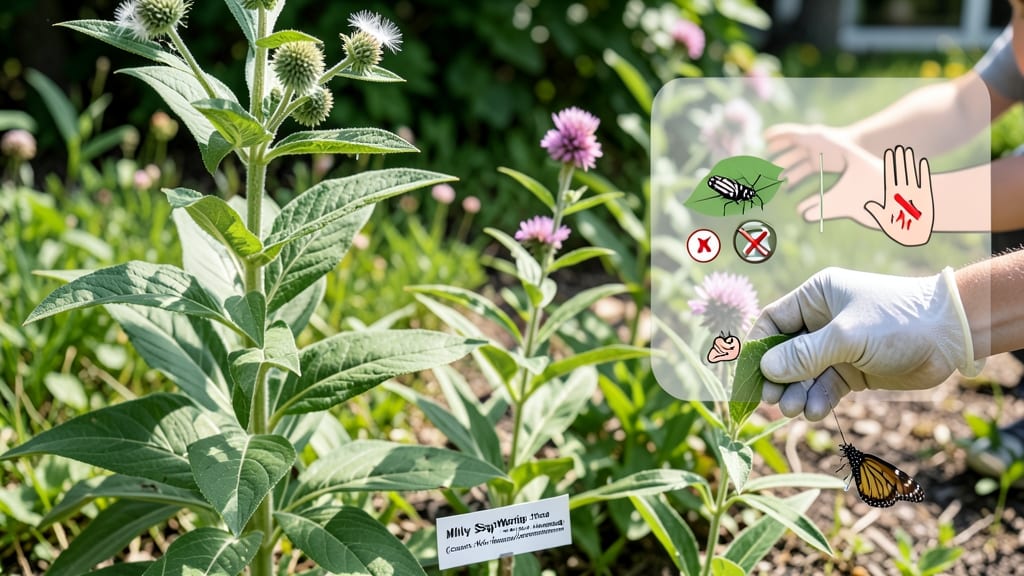
Milkweed plants are poisonous to humans and many animals due to cardiac glycosides like ouabain, which can cause nausea, vomiting, or heart issues if ingested. However, monarch butterflies thrive on them, safely processing toxins for their own defense.
Milkweed's toxicity comes from natural defense chemicals called cardiac glycosides, which disrupt heart rhythms in mammals. 🌿 These compounds—like ouabain and uscharin—are concentrated in the plant's sap and leaves, making accidental ingestion dangerous for pets (especially cats and dogs) and children.
What's fascinating is how monarch butterflies have evolved to not just tolerate but require these same toxins, storing them in their bodies as a natural predator deterrent. This unique adaptation explains why you'll never see monarch caterpillars eating anything but milkweed.
While milkweed poses risks, its ecological value—particularly for monarch butterflies—makes it a vital plant for gardens. The key is understanding how to handle it safely: wear gloves when pruning, avoid touching your face, and plant it away from high-traffic areas where pets or kids might nibble.
Even a small taste can cause stomach upset, so proper precautions turn this toxic plant into a butterfly-friendly garden superstar.
💡 In This Article
- Toxins in Milkweed: How Cardiac Glycosides Affect Humans and Pets
- Safe Milkweed Gardening: Handling and Planting Best Practices
Toxins in milkweed: how cardiac glycosides affect humans and pets
Milkweed's toxicity stems from its arsenal of cardiac glycosides—natural chemicals that interfere with sodium-potassium pumps in animal cells. The most potent compounds include ouabain (found in common milkweed) and uscharin, which can disrupt heart rhythms by blocking a critical protein called Na+/K+ ATPase.
In mammals, this causes irregular heartbeats, a condition called arrhythmia, which explains why even small exposures can be dangerous. 🔥 The plant's milky sap contains the highest concentrations, making direct contact (especially through broken skin) particularly risky.
Dosage sensitivity varies dramatically by species. For humans, ingesting as little as 0.1% of body weight in fresh milkweed leaves could trigger symptoms like severe vomiting, diarrhea, or even cardiac arrest in extreme cases. Pets—particularly dogs and cats—are even more vulnerable due to their smaller size.
A curious dog might nibble on a leaf, ingesting enough toxins to cause drooling, weakness, or seizures within hours. The effects on monarch butterflies are completely different: their digestive systems metabolize these same compounds into allomones, bitter-tasting chemicals stored in their bodies that repel predators like birds and wasps.
Symptoms of milkweed poisoning typically appear within 30 minutes to 6 hours after ingestion, starting with gastrointestinal distress (nausea, abdominal pain) before progressing to more severe neurological or cardiac issues.
The plant's toxins act as a last-resort defense mechanism—milkweed has evolved to make itself unpalatable to most herbivores while providing an essential food source for monarchs.
This evolutionary arms race explains why milkweed's toxicity is so targeted: it's designed to deter mammals and insects that can't process the chemicals, while benefiting the few species that can.
What makes this even more fascinating is the chemical diversity among milkweed species. For example, Asclepias syriaca (common milkweed) contains higher levels of ouabain than Asclepias tuberosa (butterfly weed), which has more uscharin.
This variation means toxicity levels can differ significantly between plants, even within the same genus. 🌱 Understanding these differences helps gardeners choose safer varieties for monarch habitats while minimizing risks to pets and children.
Monarch butterflies' ability to detoxify milkweed toxins involves specialized enzymes in their gut that break down cardiac glycosides into harmless byproducts. This metabolic superpower isn't just for survival—it becomes a survival tool for their offspring.
When monarch caterpillars consume milkweed, they sequester the toxins in their bodies, making them taste foul to predators. The bright orange and black warning colors of adult monarchs serve as a visual cue: "I'm toxic—don't eat me!"
This chemical defense system is one of nature's most elegant examples of co-evolution between plants and insects.
For humans, the key takeaway is that milkweed's toxicity isn't absolute—it's dose-dependent. A single leaf won't cause fatal poisoning in an adult, but repeated exposure or large quantities can be deadly. The plant's sap can also cause skin irritation or allergic reactions in sensitive individuals, similar to poison ivy.
This dual nature—both deadly and ecologically vital—makes milkweed a plant that demands respect and careful handling, especially in garden settings where children and pets might interact with it.