
Flowers
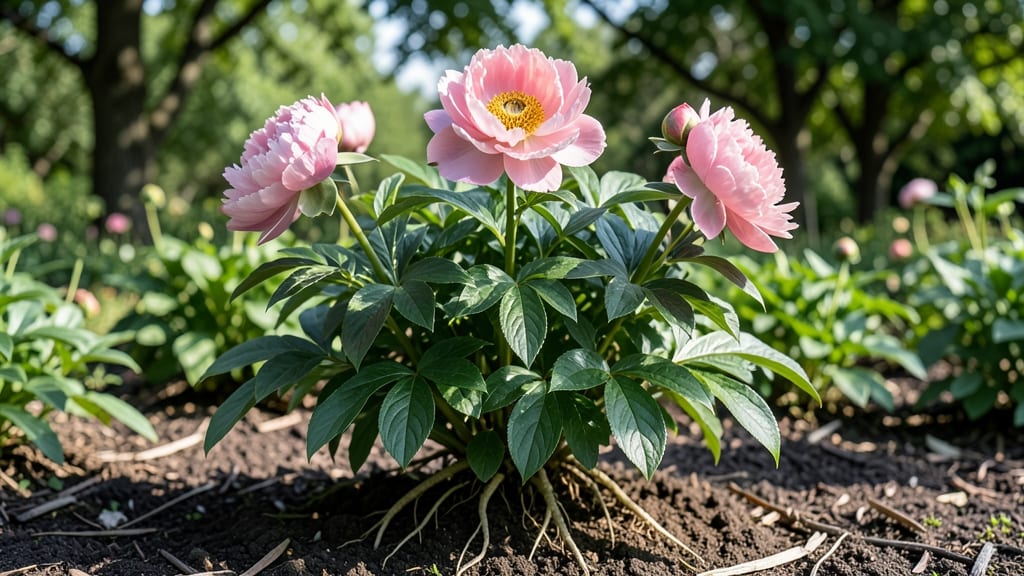
Yes, peonies are perennial plants that die back to the ground each fall, then regrow from their roots in spring, producing lush foliage and vibrant blooms year after year with proper care.
Peonies thrive as perennials because their root systems store energy like underground batteries. 🌱 During winter, the above-ground stems wither, but the roots stay alive beneath the soil, ready to burst back into growth when temperatures rise.
This natural cycle—dormancy followed by regrowth—is what makes them such reliable garden stars. Unlike annuals that complete their life cycle in one season, peonies come back stronger each year when given the right conditions.
What sets peonies apart is their ability to live for decades with minimal intervention. I’ve seen established peony bushes in gardens that are 50 years old or more!
The key is understanding their seasonal needs—like cutting back stems in late fall and protecting them from pests that could weaken their roots. This ensures they’ll reward you with those iconic, fragrant blooms every spring.
💡 In This Article
- How Peonies Survive Winter as Perennial Flowers
- Caring for Peonies to Ensure Yearly Regrowth
How peonies survive winter as perennial flowers
The secret to peonies' perennial nature lies in their thick, fibrous root systems that act like natural energy reserves. During autumn, as temperatures drop below 50°F, peonies enter dormancy—a survival strategy where metabolic activity slows dramatically.
The roots, which can extend 12-18 inches deep and 18-24 inches wide, store carbohydrates produced during the growing season. These stored nutrients fuel regrowth when spring arrives, much like how a bear's fat reserves sustain it through hibernation.
Cold stratification—a process where plants require a period of cold exposure to break dormancy—plays a crucial role. Peonies need 4-6 weeks of temperatures below 40°F to trigger spring regrowth. This cold period hardens their tissues and primes the roots to send up new shoots.
Without this chilling, peonies may produce weak or no growth. 🌱 Unlike annuals (like marigolds) that complete their entire life cycle in one season, peonies rely on this underground storage system to persist year after year.
The above-ground stems die back because they're not designed for winter survival—they're soft and would freeze if left standing. However, the roots remain alive, protected by the soil's insulation.
This is why you'll often see peony stems turning brown and crispy in late fall, while the roots stay dormant but alive beneath. The contrast with biennials (like carrots) is striking: biennials store energy for just two years, while peonies can live for decades with proper care.
Peonies' survival mechanism also involves antifreeze proteins in their cells, which prevent ice crystals from forming and damaging tissues during freezing temperatures. These proteins are similar to those found in cold-hardy trees like maples.
The combination of stored energy, cold stratification, and antifreeze proteins makes peonies exceptionally resilient compared to many other garden plants.
Here's what happens step-by-step during dormancy:
- Late fall: Above-ground growth stops as temperatures drop, stems turn brown
- Winter: Roots remain alive 10-18 inches below soil, storing energy
- Early spring: Cold stratification triggers root activity, new shoots emerge
- Late spring: Leaves unfurl, followed by 3-5 weeks of blooming
This cycle explains why peonies often bloom in late May to early June—they're timed to take advantage of warm spring temperatures after their winter dormancy. The roots' ability to regenerate foliage and flowers year after year is what makes peonies such prized garden perennials. 💫