
Plants
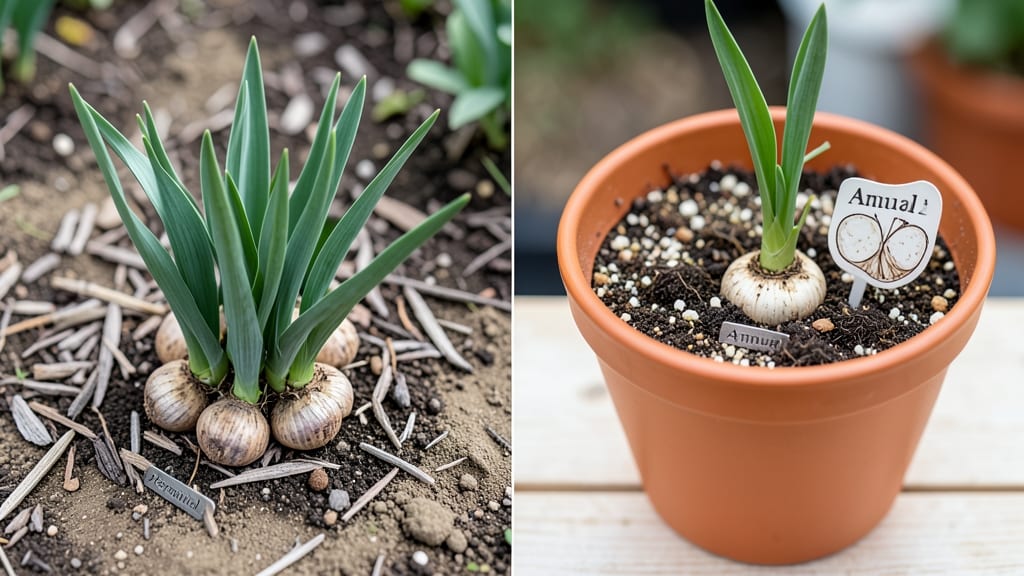
Tulips aren't true perennial plants—they're bulb-based annuals that die back above ground each year but can regrow from stored energy in their underground bulbs for 3–5 seasons. With proper care like deadheading and mulching, they often return as reliable repeat bloomers in temperate climates.
This unique life cycle is what makes tulips special. 🌱 Unlike true perennials that regrow from roots or rhizomes, tulips rely on their bulbs to store nutrients over winter, allowing them to push through soil each spring.
The key difference lies in their classification as geophytes—plants that survive harsh conditions by storing energy underground. In colder climates (USDA zones 3–8), this adaptation lets them thrive for multiple years, though their vigor naturally declines after 3–5 seasons without intervention.
What truly extends their lifespan is how you care for them. For instance, removing spent blooms (deadheading) redirects energy back to bulb storage, while fall mulching protects them from freeze-thaw cycles.
I've seen Darwin hybrid tulips, known for their robust stems, reliably rebloom for 6+ years with consistent care—a far cry from their typical 3–5 year lifespan when neglected.
💡 In This Article
- Why Tulips Act Like Perennials Despite Being Bulb Plants
- How to Extend Tulip Bulb Longevity in Gardens
Why tulips act like perennials despite being bulb plants
Tulips belong to a unique plant category called geophytes, which store their energy reserves in specialized underground structures like bulbs, corms, or tubers. Unlike true perennials that regrow from roots or rhizomes, tulips rely entirely on their bulbs to survive winter and regenerate each spring.
The bulb acts as a living battery, packed with starches and nutrients that fuel new growth when conditions are favorable. This stored energy allows tulips to push through soil year after year, creating the illusion of perennial behavior.
The magic happens during dormancy. When tulip foliage yellows and dies back in late spring or summer, the bulb continues working underground—converting sunlight into stored energy through photosynthesis in its green leaves.
In USDA zones 3–8, where winters are cold but not extreme, this process repeats successfully for 3–5 years. However, each cycle weakens the bulb slightly, as some energy is lost to pests, disease, or environmental stress.
The decline accelerates in warmer climates where bulbs don't get proper dormancy, causing them to exhaust their reserves faster.
Climate plays a crucial role in this cycle. In colder regions, the freeze-thaw pattern actually helps break down bulb tissues, preparing them for regrowth. Meanwhile, in milder winters, bulbs may remain too active, depleting their energy reserves prematurely.
This is why Darwin hybrid tulips—known for their thick stems and strong bulbs—often outlast other varieties in challenging conditions. Their bulbs store up to 30% more energy than standard tulips, giving them the endurance to rebloom reliably for six years or more with proper care.
What sets tulips apart from true perennials is their limited lifespan. While plants like peonies or hostas regrow from the same root system indefinitely, tulip bulbs gradually deteriorate. Each year, a portion of their energy is used to produce flowers, foliage, and new bulb layers.
Over time, this creates smaller "offset" bulbs that lack the strength of their parent. Without intervention, these offsets eventually fail to bloom, marking the end of the tulip's multi-year cycle.
The key to understanding this behavior lies in the bulb's structure. A tulip bulb is actually a modified stem with layers of fleshy scales that store nutrients. These scales contain specialized cells that can remain dormant for years, waiting for the right conditions to trigger regrowth.
When you see tulips return year after year, you're witnessing this remarkable adaptation at work—one that makes them behave like perennials despite their botanical classification as bulb plants.
Interestingly, some gardeners have successfully coaxed tulips to rebloom for a decade or more by practicing careful bulb division every 3–4 years. This technique involves separating the offsets and replanting them, which resets their energy cycle.
The process mirrors how wild tulips naturally propagate, ensuring their survival in harsh environments where true perennials might struggle.